India tells social media to put government complaints first amid protests
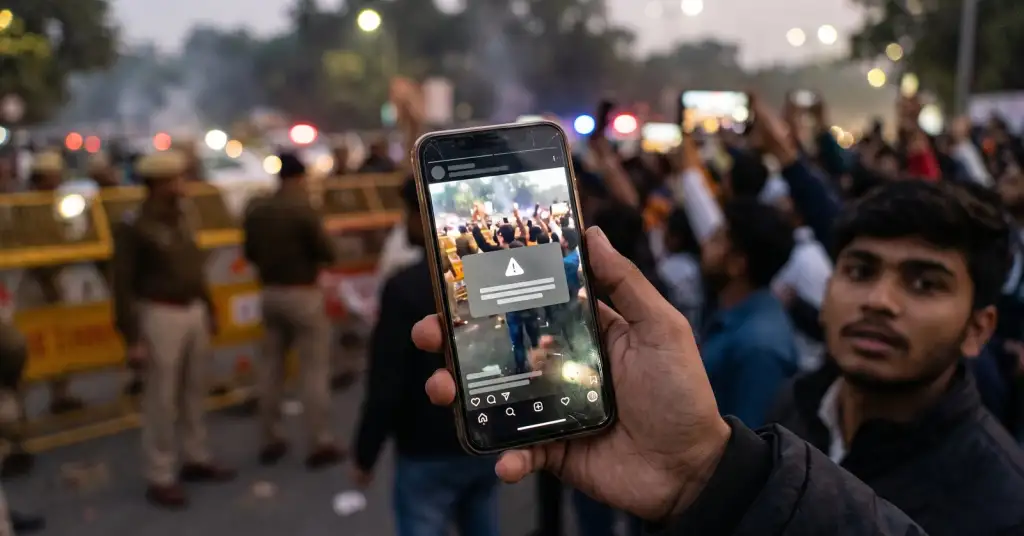
India's Ministry of Electronics and Information Technology (MeitY) has told social media platforms to give priority to complaints from "authorised Government agencies" about content that could affect public order, and to label posts it calls misleading or manipulated. The advisory, dated October 8 and addressed to all social media intermediaries, takes effect "with immediate effect", according to the full text published by the Indian tech policy outlet MediaNama. It comes amid street protests in Delhi against Chief Election Commissioner Gyanesh Kumar.
What the advisory asks for
The document comes from MeitY's Cyber Laws Division and is signed by Joint Secretary Ajit Kumar. It rests on the IT Act of 2000 and the 2021 IT Rules, which already oblige platforms to tell users not to share information likely to cause public disorder. On top of that, platforms are asked to:
- "exercise enhanced diligence" over false, misleading, manipulated or deliberately out-of-context content that could affect public order;
- pay particular attention to old footage passed off as new, synthetic audio and video, impersonation of officials and content likely to incite violence;
- "accord priority to reports/complaints" from authorised government agencies;
- "identify and appropriately label/contextualise" manipulated or misleading content, especially when it shows a current event;
- cooperate with law enforcement within the timelines of the IT Rules and review their moderation and grievance systems so harmful content is "addressed expeditiously".
What it leaves open
The advisory does not say which agencies count as "authorised", what "priority" means inside a platform's review queue, or how "enhanced diligence" differs from the diligence the law already requires. Nor does it define "misleading". The labelling rules MeitY adopted in February 2026 deal with synthetically generated content and contain a definition with limits; the new labelling clause goes beyond synthetic media and carries no such limits, MediaNama notes. The advisory also names no specific "ongoing public events" and, unlike MeitY's advisories after the Red Fort blast in November 2025 and on obscene content in December 2025, it spells out no legal consequences for ignoring it. MeitY has not published the document; MediaNama says several sources confirmed it was sent to platforms.
The protests behind it
Since the end of September, students, opposition parties and the youth-led Cockroach Janta Party have rallied in Delhi and Mumbai demanding Kumar's resignation over the Special Intensive Revision of voter rolls. Protesters say it removed millions of eligible voters and favours Prime Minister Narendra Modi's BJP; the Election Commission and the BJP deny this. Reuters reported that Delhi Police detained protesters on three consecutive days up to October 4 and that a major rally is planned in Delhi for October 10. In practice the advisory means that complaints from officials about protest videos and posts will reach platform moderators ahead of everyone else's, while the line between a misleading post and an unwelcome one is left to the platforms and the agencies filing the complaints.
India already gives the executive broad powers over online content: ministries can order websites and posts blocked without going to court, as our country-by-country guide to blocking without a judge shows.