Delhi police detain journalists and seize their phones at protest against election chief
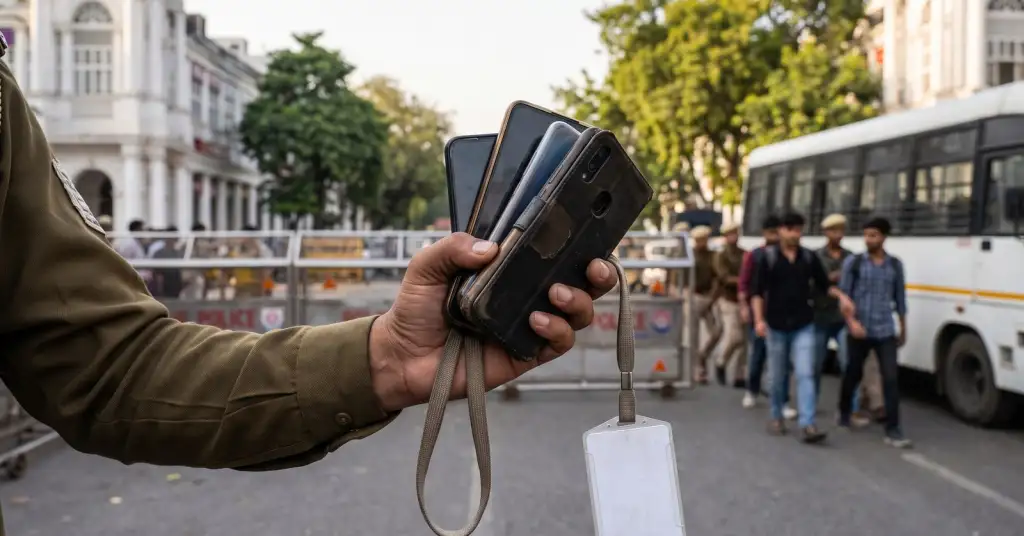
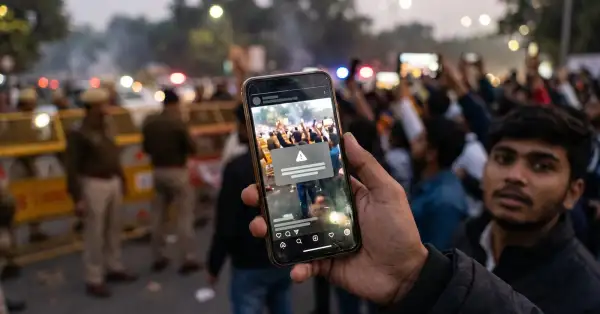
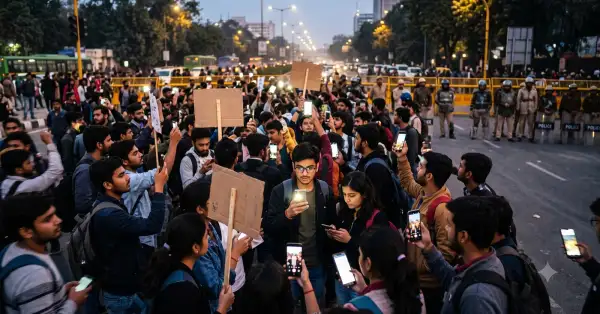
Delhi Police detained hundreds of protesters and several journalists on October 10 as they blocked a youth-led march demanding the resignation of India's Chief Election Commissioner, Gyanesh Kumar. Newslaundry says officers seized the work phones of three of its reporters. On the same day mobile internet was off across a 4 km area of central New Delhi, and X hid a video by the movement's founder and a satire account from users in India. "Around 500 people coming in different groups from various locations have been detained," police said on Saturday morning.
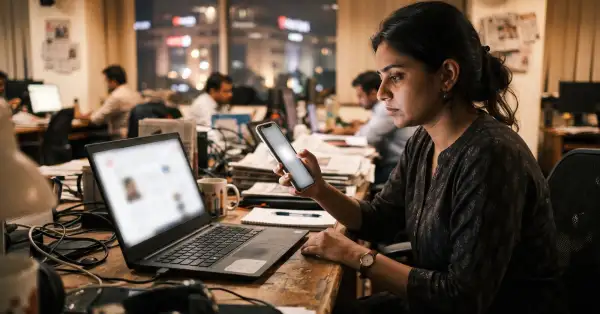
Journalists and their phones
Newslaundry said its reporters Ashwine Kumar Singh, Astha Savyasachi and Anmol Pritam identified themselves as press but were told "Koi media nahin hai" ("there is no media") and put on a bus with about 30 protesters. The outlet named Inspector Dhan Singh Malik as the officer who took their official phones. "Journalists are there to report, not to protest. They were not obstructing police operations. On what grounds are they being detained and their phones seized?" it wrote on X. The three were later released. Reporters from Scroll, Navbharat Times, Reporter TV and The Quint were also detained, according to The News Minute, although police guidelines issued before the protest only asked journalists to display their press cards. The Committee to Protect Journalists called for their release, the return of their equipment and an investigation into reports that reporters were manhandled.
Phones were checked beyond the press. A man walking to Ram Manohar Lohia Hospital to visit a relative told The Indian Express he was held for more than seven hours over a photo in his gallery, a picture of the traffic he had sent to family, and that police forced him to unlock his phone.
A wider shutdown than last week
An order from the Ministry of Home Affairs dated October 9 and marked "Top Secret" told Jio, Airtel, Vodafone Idea and MTNL to suspend mobile internet within 4 km of the Janpath and Kartavya Path crossing from 10 pm on October 9 to 10 pm on October 10, MediaNama reported. The order gives no grounds and was not published. The area is about 2.5 times the 1.5 km zone cut off for 12 hours during an earlier protest on October 2. Police also restricted 46 Metro stations, deployed drones and asked Uber, Ola, Zomato, Blinkit and Zepto to stop rides and bulk orders to the area.
What disappeared online
The protest was called by the Cockroach Janta Party (CJP), which accuses the Election Commission of removing eligible voters during a revision of the rolls. The Commission and the ruling BJP deny this. Before he flew to Delhi, CJP founder Abhijeet Dipke posted a video saying he did not know whether he would be arrested "from the airport itself, or after that". X blocked it in India within hours, according to MediaNama's live tracker. Police detained Dipke and co-convenors Saurav Das and Ashutosh Ranka after their flight landed. The satire account NetaFlix now shows the notice "withheld in India in response to a legal demand", and the Instagram account of content creator Satvik Soni became unavailable in India.
The crackdown follows an advisory of October 8 in which India told platforms to put government complaints first during the protests. Indian ministries can order posts and sites blocked without a judge, as our country guide to blocking without a court shows.
What still works in a shutdown
A VPN does nothing when the mobile network itself is cut: the order covers mobile data, so only Wi-Fi and wired connections inside the zone keep working, and a VPN is useful there only to reach content that is blocked. It does matter for posts like NetaFlix's, which are withheld only for users who appear to be in India. MediaNama notes the account holder may have posted about the block through a VPN or from abroad. Offline mesh apps that pass messages phone to phone over Bluetooth are the other option, and India has gone after them too: on October 4 the government ordered Apple and Google to remove BitChat, months after its code was targeted on GitHub. A seized phone is a different problem that no network tool solves. What a reporter or a passer-by keeps on an unlocked device is what police get to read.
• Live Tracker: Censorship and digital developments from the CJP protests at Jantar Mantar - MediaNama
• Internet shutdown ordered around New Delhi's Jantar Mantar - MediaNama
• Delhi Police detain journalists from Newslaundry, Scroll, NBT, Reporter TV - The News Minute
• Around 500 Detained as Delhi Tightens Security at Jantar Mantar Protest - Open