Ofcom picks four age checks for the UK's under-16 social media ban
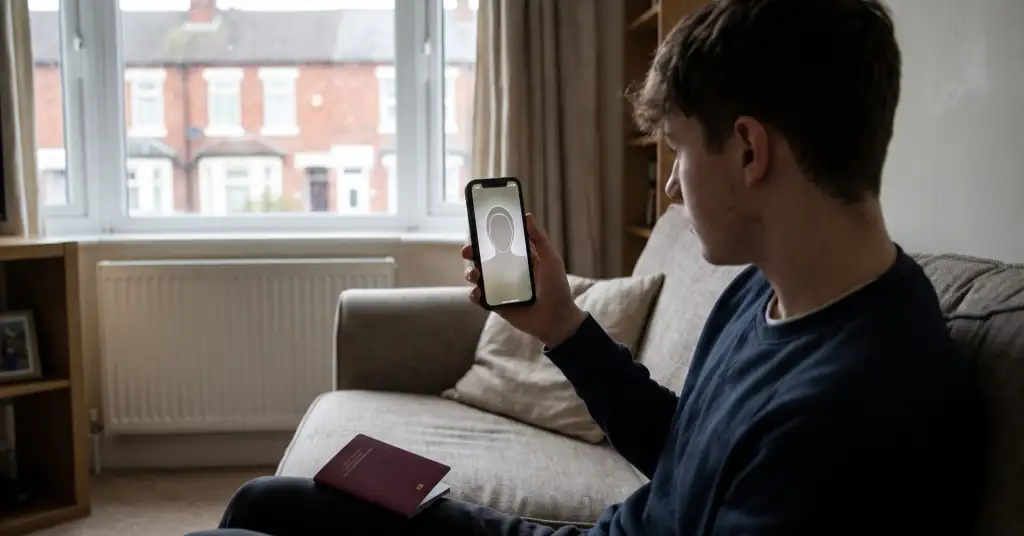
Britain's online regulator Ofcom has set out how social media platforms could check that a user is at least 16, the age limit in the government's planned ban. In an assessment published on 29 October, Ofcom names four methods it considers reliable enough at that age: matching a photo ID, digital identity services, checks based on banking information and facial age estimation. Photo ID sits at the centre of all four, either as the method itself or as the fallback, so teenagers without photo ID will likely have to get some.
Why the list is shorter at 16
The government asked Ofcom to define what "highly effective" age assurance means at 16. The government presents that as a tougher bar than the "reasonable steps" platforms must take under Australia's ban. Ofcom judged each method on technical accuracy, robustness, reliability and fairness, the same criteria it already uses for checks at 18 under the Online Safety Act. Its 2025 guidance lists seven methods for adults, but some of them only work for people over 18, which leaves four for the new threshold.
Facial age estimation is the weakest of the four at this age. According to Advanced Television's summary of the report, it can be off by a few years around 16, so Ofcom suggests a "challenge age": anyone the camera places too close to the limit is sent to a second check, which in practice means an ID document. Banking checks reach further, since about 90% of 16- and 17-year-olds in Britain have a bank account.
Adults will be checked too
To keep under-16s out, a platform has to confirm that everyone else is older, so adults will go through checks as well. They get three more options from Ofcom's existing guidance for age 18. Some adults may avoid a new check if the platform already holds reliable data about their age. Ofcom says the methods can be used in ways that protect privacy and comply with data protection law, and it worked with the Information Commissioner's Office on that part.
Age inference, where a platform guesses age from behaviour, does not make the list as a gate at sign-up. Ofcom sees it as a way to spot under-16s who got past the check, together with easier reporting of suspected underage accounts.
Ofcom expects children to get around it
The regulator does not claim the ban will be watertight. "We should expect that motivated children will seek to bypass the restrictions," Ofcom chief executive Melanie Dawes said, comparing it to alcohol laws that have not ended underage drinking. She added that the ban can work if platforms run the checks properly. Ofcom says no age check is completely resistant to circumvention and plans to publish research on how children get around the rules within 12 months of the ban taking effect.
None of the published summaries say how Ofcom deals with VPNs. The government decided in July not to restrict them. The four methods check a document, bank data or a face, not where a connection comes from.
What happens next
The government plans to lay its first regulations for the ban before the end of 2026, with the restrictions due in 2027. The plan already lets platforms get off the banned list by redesigning features the government considers unsafe. Once the regulations are before Parliament, Ofcom will consult on draft guidance for platforms. Responsibility for the checks stays with the platforms. In a separate report the same day, Ofcom found that app stores mostly rely on the age users type in themselves, though app stores are currently outside the Online Safety Act.
• Ofcom sets out age verification options - Advanced Television
• Under-16s social media ban: Ofcom sets out how platforms could check users' age - Deeside.com
• Ofcom warns under-16s will bypass social media age checks - Brit Brief
• Age assurance duties under the Online Safety Act - Ofcom