UK will let platforms buy their way off the under-16 ban by redesigning features
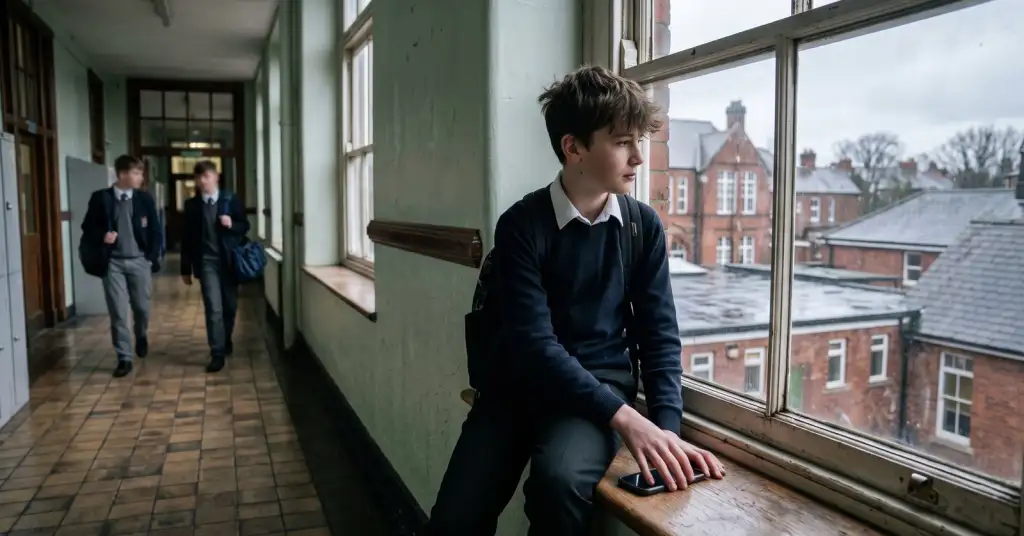
At the Labour conference on 27 September, Culture Secretary Lisa Nandy set out how Britain's under-16 social media ban is meant to work. The government will draw up a list of platforms children cannot use, and companies will be able to get themselves off it by redesigning the features the government considers unsafe.
"We're going to do proper, comprehensive legislation so that it doesn't just incorporate the specific apps, it incorporates the features that we believe are not safe," Nandy said, adding that "there will be a way for companies, if they want to innovate and they want to change, to be able to get themselves essentially off that list."
In short
- A named list of restricted platforms, with an exit route for companies that change the features in question.
- First regulations are due by the end of 2026, with the ban taking effect in 2027.
- The announcement says nothing about how anyone's age will be established, which is where the cost falls.
- Ministers have already said they do not intend to penalise parents who help children get around it.
A regulator deciding product design
The interesting move here is not the ban, which has been trailed for months. It is the exemption. A government list that a company can leave by changing its product turns the regulator into a design reviewer: the legal question stops being what a platform published and becomes whether its recommendation feed, its notifications and its autoplay meet a standard someone in Whitehall is willing to sign off.
That is the same mechanism we saw arrive in the United States by a different route this week, when TikTok agreed to rebuild its teen experience to settle a lawsuit in Alabama. Britain is proposing to do openly, by regulation, what Alabama obtained privately, by negotiation. Both end with a state specifying an app's behaviour.
The part the announcement leaves out
To keep under-16s off a platform you have to know who is under 16, and the only way to know that is to check everyone. This is the recurring blind spot in these announcements: the ban is described as a restriction on children, but its machinery lands on the whole adult population, which has to prove its age to carry on using services it already uses.
How that check happens is the entire privacy question, and it is unresolved. Document upload, face estimation or a third-party verifier holding both are very different bargains. Australia has been pushing the check down into the app store, which we covered when it moved age verification to the platform layer, and Britain has already been moving checks onto the device itself. The choice of layer decides who ends up holding a copy of your identity.
There is also a diplomatic dimension that has not gone away. In September the US embassy summoned British officials over the Online Safety Act and this very ban, which is a reminder that the list, once it exists, will be a list of mostly American companies.
The government already expects it to be circumvented
What makes this case unusual is that ministers are not pretending otherwise. Nandy has said of the Australian model that it "doesn't stop all young people under 16 from being on social media" and that "there will always be ways that young people will find to get around that". The department's own position is that it does not envisage penalising parents who help their children subvert the ban, and officials have conceded that any legislation "is only as good as our ability to enforce it".
In Australia, where a similar ban is already law, what share of children aged 12 to 15 still access accounts they are restricted from?
Three in five, about 60%, according to figures cited by the Molly Rose Foundation, which warned that a ban of this kind can deliver "the perception of security" rather than the thing itself.
Nandy's most candid line was not about enforcement at all. "I do think it's a sign of failure that we've got to the place as a country where we're having to take children off social media altogether," she said. That is a fair description of the policy and an unusual thing for the minister introducing it to volunteer.
What this means in practice
For adults in Britain, the likely outcome is another age check, on more services, more often. For teenagers, the Australian evidence suggests the ban changes the route rather than the destination. That gap is where circumvention tools enter the conversation, and it is worth being precise about them rather than enthusiastic: a VPN changes which country a service thinks you are in, which matters for a geographically scoped rule, and does nothing at all about an age check that asks for a document or a face.
The honest summary is that the hard part of this policy has not been announced yet. A list of banned apps is easy to publish and easy to argue about. The verification regime underneath it is the part that will touch every adult user in the country, and it is still, three months before the first regulations are due, undescribed.