Turkey closes social media to under-15s from November 1, with age checks via e-Devlet
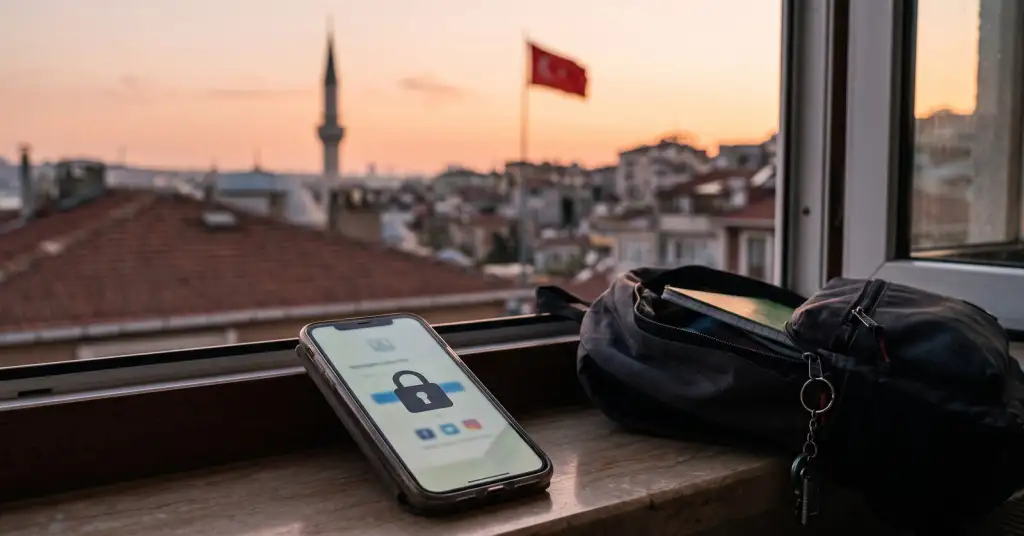
Turkey will bar children under 15 from social media from November 1. Regulations drafted by the Cybersecurity Presidency and published in the Official Gazette on October 10 say providers "will not be allowed to serve children under 15" and must check every user's age when an account is created, using a token issued through e-Devlet, the government services portal. Platforms have until March 31, 2027 to verify existing accounts and close those that belong to under-15s.
How the age check works
The token tells a platform only whether the user has passed the 15 and 18 thresholds, not who they are, and platforms may not use it for anything else, according to Türkiye Today. Applicants found to be under 15 are rejected. If a platform reasonably suspects a violation, it must suspend the account and ask for age verification before reactivating it. Users can appeal verification decisions, suspensions and closures free of charge and in Turkish, and the decision cannot rest on automated systems alone: a person must review it.
Family Minister Mahinur Özdemir Göktaş said in September that the system would confirm whether users meet the minimum age without disclosing their identity to social media companies. That is narrower than what the government has floated before. In February, Justice Minister Akın Gürlek defended a separate plan for identity verification through e-Devlet when logging into social media, and in April the government said it had agreed with platforms that all Turkish citizens would verify their identity.
What changes for 15 to 17 year olds
Teenagers keep their accounts, but under strict defaults. Profiles are private with no option to make them public, follower and following lists are hidden, and teens get messages only from accounts they follow, with no read receipts. Live broadcasts, personalised advertising, autoplay, endless feeds and profiling based on a teen's personal data are banned, and platforms must technically block screenshots of teens' photos and posts. "No service likely to produce an addictive effect in children may be offered," the regulations say. Parents must get tools to manage settings, set time limits and approve purchases.
Penalties
The regulations themselves set no specific fines. A platform that breaks the rules is first notified and given a "reasonable period" to fix the problem, and any penalty depends on how serious and long the violation was, how many children were affected and what the company did to comply. The law behind them, adopted by parliament on April 22 a week after a school shooting in Kahramanmaraş, amends Turkey's main internet law. When it passed, Al Jazeera reported that potential penalties include fines from the telecoms regulator and cuts to a platform's bandwidth, a tool Turkey has used before to force platforms to comply. The main opposition CHP said children should be protected "not with bans but with rights-based policies".
Will a VPN get around it
We looked at this question in January, when Turkey first announced the ban. The published rules make the answer clearer. The check happens on the platform's side when an account is created, with a government token, so changing your IP address does not change the age the token reports. The reports do not say how platforms will decide which users must present an e-Devlet token, and that is the detail that matters for anyone trying to sign up from abroad. Turkey also blocks accounts in large numbers for political reasons, as with the 194 X accounts of economists and journalists blocked in September, which is why rights groups worry about any system that ties accounts to the state portal.
With this, Turkey's ban moves from a passed law to a fixed start date. We track every country that limits social media for minors in our list of social media bans for children by country.
• Turkey's social media ban for under-15s takes effect November 1 - Turkish Minute
• Türkiye bans children under 15 from social media - Türkiye Today
• Türkiye bans social media platforms from serving children under 15 - TRT World
• Turkish gov't developing online age checks under new social media law - Turkish Minute
• Turkiye MPs pass bill to restrict social media use for children under 15 - Al Jazeera