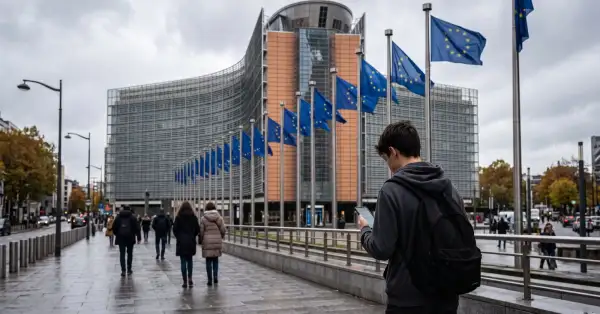
Germany plans to keep children under 13 off social media
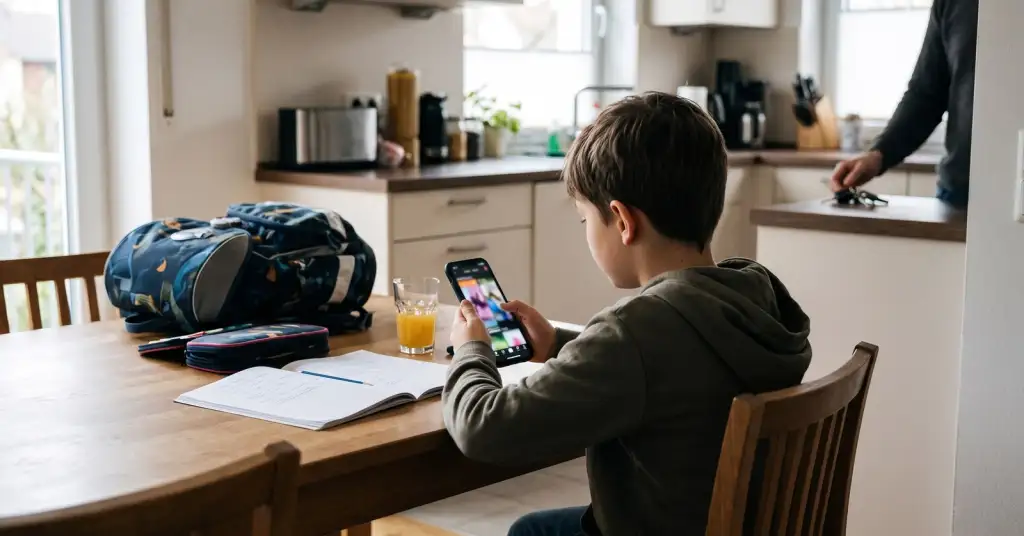
Germany's federal cabinet wants to keep children under 13 off social networks such as TikTok, Instagram and Snapchat. On 14 October it approved key points for transitional national rules: social media use by under-13s is to be "prohibited in principle", with exceptions only for services that are demonstrably suitable for children, and teenagers aged 13 to 18 are to face graduated restrictions. It is not law yet. The cabinet only adopted a political framework, and a bill still has to be drafted and passed by both chambers of parliament.
What the cabinet agreed
The paper comes from Karin Prien (CDU), the federal minister for education and family affairs, and builds on 56 recommendations that an independent expert commission handed to the government in September. "The analysis is over, now it is about implementation," Prien said, according to Anadolu. The government justifies the age limit with the "profound effects on the physical and mental health" of children: according to the paper, one child in four now shows problematic patterns of use, and reading skills are declining.
The key points contain four legislative and eight non-legislative measures. Besides the age limit for social networks, parents' duty of supervision is to be spelled out in the Civil Code so that it clearly covers online services, although the paper says the main responsibility stays with the platforms. Primary school children are to be able to earn an "AI Seepferdchen", a certificate about the opportunities and risks of artificial intelligence named after the first swimming badge German children get. What exactly the restrictions for 13 to 18 year olds will look like, the reports do not say.
The rules are meant as a stopgap until EU-wide restrictions take effect. The European Commission announced such restrictions in September: from 13, teenagers would get "mini accounts" with limited features that parents set up and supervise, with use capped at one hour a day. According to dpa, the German plans resemble that model. In the EU talks, Berlin wants a single EU age limit of 13, a ban on addictive design and recommendation algorithms switched off by default. Prien expects an EU agreement next year, but the timing depends on the European Parliament and the member states. The Netherlands and Spain have already asked Brussels for one minimum age for the whole bloc.
The open question: how to check age
The big platforms already set 13 as the minimum age in their terms of use, and the Commission has repeatedly complained that this is barely enforced. Germany can set its own rules on how children use social media, but as dpa notes, only the EU can force the large platforms to carry out mandatory age checks under its digital laws.
The German paper lists age verification among the non-legislative measures and describes it as voluntary. From 2027, people are to be able to prove their age with d-you, Germany's version of the EU digital identity wallet. According to the dts news agency, which cites Politico, the platform would only learn whether the user meets the minimum age and no other personal data would be passed on. How the under-13 ban will be checked in practice until then, the reports do not explain.
The next step is a reform of Germany's Youth Protection Act, which the cabinet is to approve before the end of 2026. After that, according to dpa, the Bundestag and Bundesrat will need a few more months. Germany joins a growing list of countries setting age limits for social media; our country-by-country guide tracks them.