Equatorial Guinea has kept Facebook and TikTok switched off for two weeks over a video accusing the vice-president of corruption; the author is in jail and a VPN is the only way in
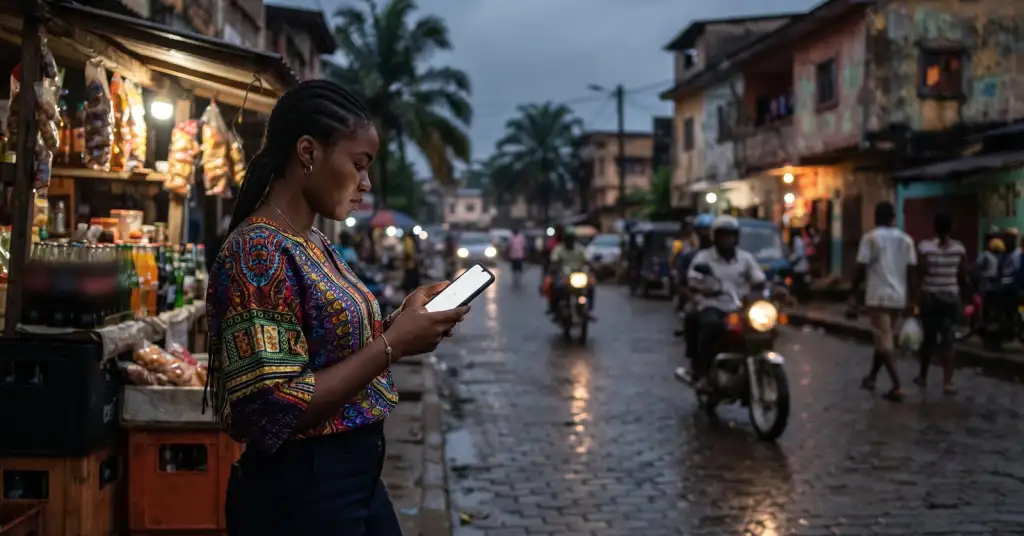
Facebook and TikTok have been unreachable in Equatorial Guinea since 2 September, internet speeds have been throttled for the same two weeks, and WhatsApp and Instagram work only intermittently, an AFP journalist in the country confirmed on Wednesday 16 September. The trigger was a video: a young woman accused Vice-President Teodoro Nguema Obiang Mangue, known as Teodorin, the president's eldest son and heir apparent, of corruption, the clip went viral, the platforms went dark, and the woman was arrested. The information ministry did not answer AFP's questions. The two most popular networks in the country now open only through a VPN, which makes Equatorial Guinea the second state in the same corner of Central Africa, after Gabon, where a tunnel is the only way to see the ordinary internet.
In brief
- Since 2 September: Facebook and TikTok blocked, bandwidth cut, Meta's other apps degraded. Nothing has been announced; the block is visible only in what fails to load.
- The vice-president in the video is the same Teodorin convicted in France in 2021 in the "ill-gotten gains" case and placed under a UK asset freeze the same year; he is known for showing his cars, jets and parties on the platforms his government has now switched off.
- The country has form: a 14-month shutdown of Annobón island from August 2024, and one of six shutdowns recorded in Central Africa in 2025. Next door, Gabon has kept social networks blocked since February, cutting off about 800,000 users at an estimated cost of 1 billion CFA francs a day.
- For the people inside, the practical answer is the same as in every shutdown we have covered, from Iran's total blackout in January onwards: a VPN while the international links stay up, and a plan for the day they do not.
What is known about the block
AFP's account is precise about the mechanics and silent about the paperwork, because there is none. From 2 September the connection slowed for everyone; Facebook and TikTok stopped resolving for users without a VPN; WhatsApp and Instagram, also Meta properties, kept working but "in a limited way". No decree, no statement from the regulator, no acknowledgement from the ministry. The sequence matches how the country has handled the internet before. Equatorial Guinea has been governed by Teodoro Obiang Nguema Mbasogo since 1979, longer than any other head of state in Africa, and the internet has been cut around elections and unrest for a decade; from August 2024 the island of Annobón, where residents had protested against dynamite blasting by a construction firm, was cut off for fourteen months. The Institute for Security Studies counted at least 15 shutdowns across Africa in 2025, six of them in Central Africa, Equatorial Guinea among them. What is new this time is the trigger. It was not a vote or a riot but one video about one man, and the man is the vice-president who is expected to succeed his father.
The man in the video
Teodorin Obiang is one of the few politicians whose corruption case can be followed on his own Instagram. In 2021 France's highest court upheld his conviction for laundering embezzled public money, with a suspended three-year sentence, a 30 million euro fine and the confiscation of assets including a mansion on avenue Foch in Paris, and in September 2025 the International Court of Justice rejected Equatorial Guinea's attempt to get the building back. Britain froze his assets and banned him from entering in 2021 under its anti-corruption sanctions. None of that has been a secret at home, but foreign courts and foreign press told the story, in French and English, from outside. The difference in September was that the accusation came from inside, in a format the whole country uses, and spread on the two platforms that reach the most people. The state's response, arrest the author and remove the platforms, is the same reflex that Gabon applied in February when strikes in schools and hospitals spilled onto social media, and that has made VPN demand a proxy for political stress across the region. It punishes 1.9 million people for one clip, and it does not remove the clip, which is already on every phone that downloaded it.
What works inside a shutdown like this
A platform block with throttled bandwidth is the lightest form of shutdown, and it is the one a VPN is built for: the international links are up, only the routes to specific services are being filtered, so a tunnel to a server abroad carries Facebook and TikTok as ordinary encrypted traffic. Three things matter in practice. Install and test the app before it is needed, because app stores and VPN provider websites are often the next thing to be filtered; keep a second provider or a self-hosted server as a fallback; and prefer protocols designed to look like ordinary web traffic, since a government that has learned to block a platform learns to block a protocol soon after. The throttling is the warning sign. When speeds are cut, a VPN still works but every page takes longer, and when the state moves from filtering to a full cut, as Equatorial Guinea did on Annobón, no tunnel helps, which is why our guide to offline mesh messaging exists. Using a VPN is not an offence under Equatorial Guinean law as far as any reporting shows, but the woman who posted the video is in custody, and that, rather than the technical block, is the message the government intends people to receive.
What is blocked in Equatorial Guinea?
Why were they blocked?
Who is Teodorin Obiang?
Is this the first shutdown there?
Does a VPN work there now?
• Coupure de Facebook et TikTok en Guinée équatoriale - AFP via La Libre
• Equatorial Guinea: Facebook, TikTok Shut Down in Equatorial Guinea After VP Corruption Video - Leadership via allAfrica
• Internet shutdowns won't solve Central Africa's political crises - Institute for Security Studies