Offline Mesh Communication: Staying Connected in a Blackout
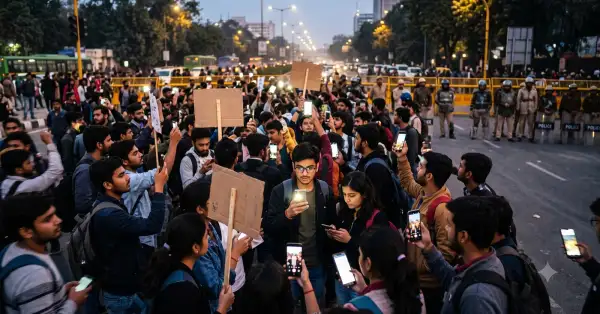
When India cut mobile internet across parts of central Delhi during the "Chalo Sansad" march on 20 July 2026, it exposed the hard limit of every online privacy tool: offline mesh communication is what you fall back on when there is no connection left to protect. Telecom operators confirmed the block around the Jantar Mantar protest, yet no suspension order was ever made public, and the Internet Freedom Foundation condemned the blackout. Service returned only around 6 pm. In a total shutdown like this, even a VPN goes dark, because there is no network left to tunnel through.
What offline mesh communication actually is
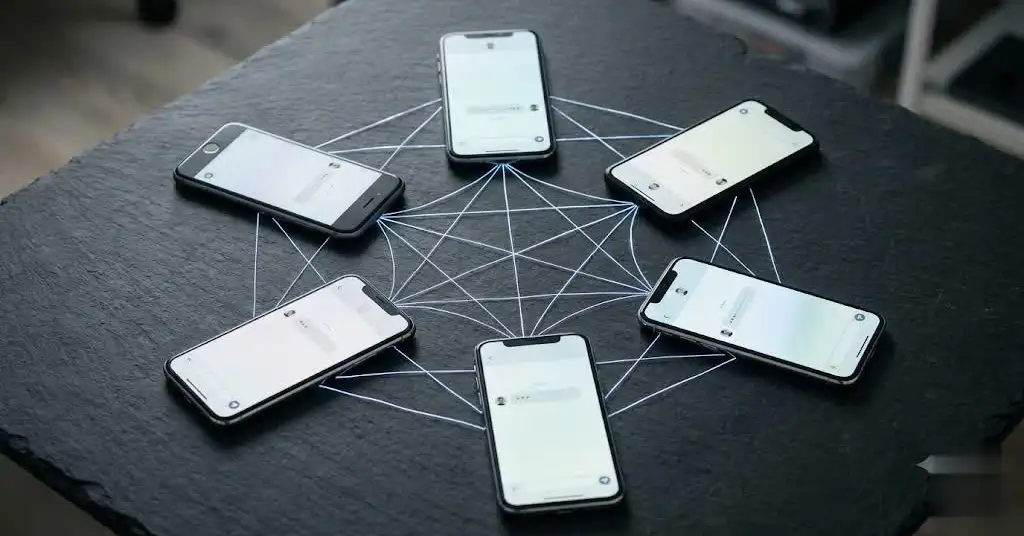
A mesh network lets devices talk directly to each other instead of routing everything through cell towers or an internet provider. Each phone or radio becomes a node that both sends its own messages and relays messages for others. If your friend is out of range, your text hops through the phones in between until it reaches them. There is no central server, no SIM card requirement and no internet, which is exactly why a government kill switch cannot simply flip it off.
How it works under the hood
Mesh apps and devices use short-range radios that your phone already has, or cheap add-on hardware:
- Bluetooth Low Energy: the most common option, with a practical range of roughly 10 to 100 metres per hop. It works best in a crowd where many devices can relay.
- Wi-Fi Direct: higher bandwidth than Bluetooth over similar short distances, useful for larger files between nearby devices.
- LoRa radio: a low-power long-range signal that can reach several kilometres in the open, but only carries small amounts of text.
Messages travel hop by hop. Many tools also "store and forward", holding a message on intermediate devices until the next node comes into range, so communication survives even when the network is patchy and people keep moving.
What you need to get started
The key rule: set this up before a blackout, because you cannot download an app when the internet is already gone. Your options fall into two groups.
- Phone-only apps: tools such as Briar and Bridgefy turn ordinary smartphones into a Bluetooth and Wi-Fi mesh with no extra hardware. Briar is open source and encrypts messages end to end, syncing over the internet through Tor when it is available and over local radio when it is not.
- Dedicated radios: for real distance, LoRa-based projects like Meshtastic use small, inexpensive radio boards paired to your phone over Bluetooth. They send encrypted text across kilometres and need no phone signal at all.
In practice, a working kit is a charged phone, a mesh app you have already tested, and ideally a LoRa device if you need range beyond a single crowd. Agreeing on which app your group uses ahead of time matters as much as the hardware.
Where to download the apps
Install and test one before you need it. Every link points to the official project site, which routes you to the right store for your device:
- Briar (Android): free and open source, on Google Play, F-Droid and as a direct APK from the official Briar download page.
- Bridgefy (Android and iOS): on the Google Play Store and the Apple App Store, details on the official Bridgefy site.
- Meshtastic (Android, iOS and web): phone apps for Android and iPhone plus a browser client on the official Meshtastic apps page (it also needs a compatible LoRa radio).
The limits you should know
Mesh is powerful but not magic. Bluetooth range is short, so a message only travels far if enough people are relaying along the way. Battery drain is real, bandwidth is low, and most tools are built for text rather than photos or calls. Encryption quality varies between apps, and even strong encryption cannot hide metadata such as who is nearby and when, which is why some mesh apps have faced security scrutiny in past protests.
This is where mesh and a VPN complement each other rather than compete. A VPN encrypts your traffic and routes around throttling, DNS blocks and regional censorship, but it depends on having a live connection. When authorities pull the plug entirely, as they did in Delhi, that connection disappears and only device-to-device links keep working. The resilient approach is to layer both: a VPN for the everyday censorship and surveillance that happens while the internet is up, and a tested mesh app for the moment it is switched off.