Total Blackout: Iranian Authorities Cut Off Internet Amidst Mass Unrest
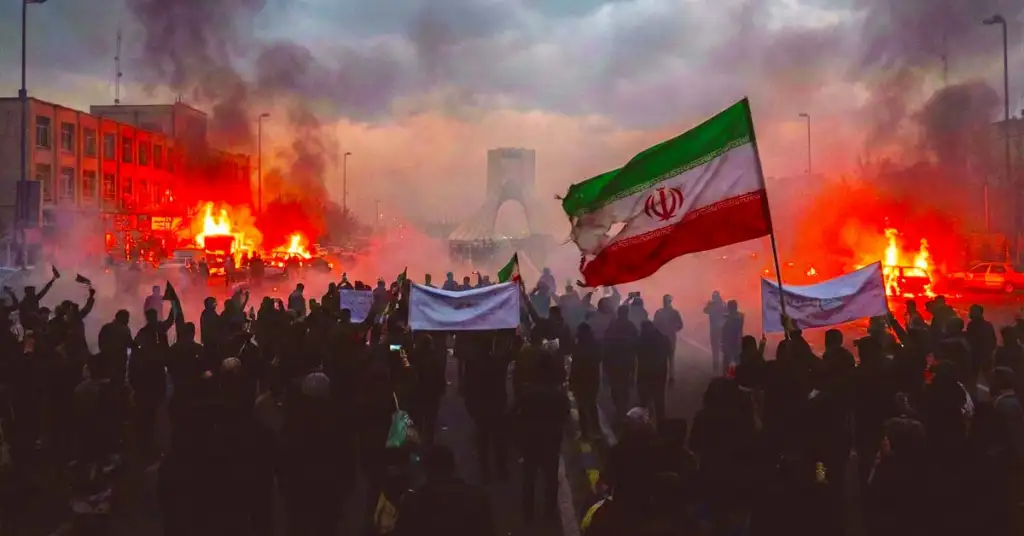
Tehran, January 8, 2026. — What started as economic discontent has escalated into a full-blown uprising. Tonight, the Islamic Republic of Iran flipped the «switch», plunging the nation of 88 million into total information isolation. The regime has gone all-in, attempting to hide the scale of repression against demonstrators demanding an end to the theocracy.
1. Chronicle of the Fall: How the Economy Ignited the Streets
The current crisis has a specific starting point — late December 2025, when the national currency went into a tailspin. The dollar exchange rate broke the psychological mark of 1.45 million rials. For the average Iranian, this meant not just expensive goods, but the physical impossibility of buying food.
Inflation exceeding 42% and the cancellation of government subsidies on most essential goods threw those who usually remained loyal or passive — the traditional «Bazaar» — onto the streets. On December 28, merchants in Tehran, Mashhad, and Isfahan lowered the shutters of their shops. The merchants' strike, a historical ally of the clergy, was a signal: the social contract between the authorities and the people is definitively broken.
2. «Year of Blood»: Politicization of Protest
If in 2019 or 2022 protests had specific triggers (gasoline prices or the death of Mahsa Amini), January 2026 united everything. The echo of the lost «12-Day War» with Israel in June 2025 stripped the authorities of the aura of military invincibility, and the economic collapse deprived them of resources.
Slogans transformed lightning-fast. Demands for «bread» were replaced by chants of «Death to the dictator» and calls for the return of the monarchy. The name of Reza Pahlavi, the son of the last Shah, is heard openly on the streets, which was previously punishable by prison. It was his call for mass actions on the evening of January 8 that became the trigger for today's escalation.
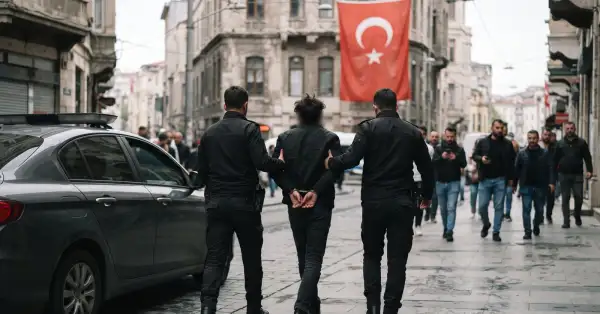
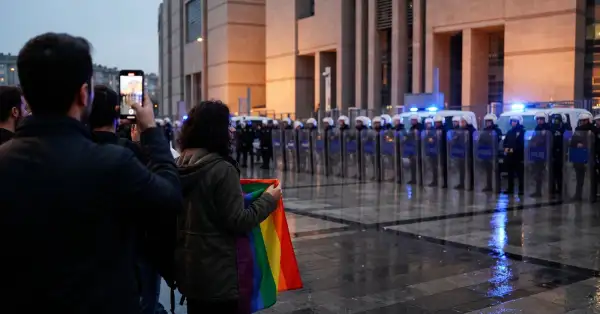
At this moment, human rights organizations confirm the death of at least 45 people, including children. More than 2,200 citizens have been arrested. In the city of Lordegan (Chaharmahal and Bakhtiari province), real street battles involving weapons have been recorded, and in the city of Abdanan, protesters temporarily seized control of a police station.
3. The Digital Curtain Falls
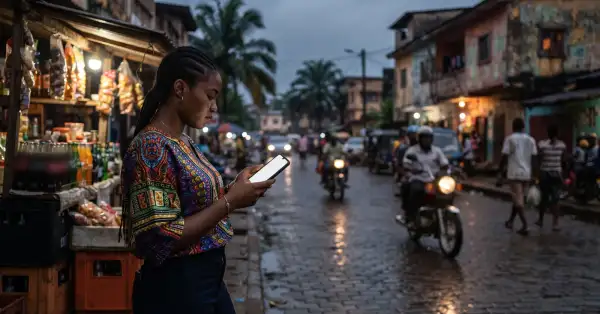
The most alarming news came on the evening of January 8. The international monitoring group NetBlocks confirmed: Iran is in a state of nationwide internet blackout.
- Scale of the outage: This is not just speed throttling or blocking Instagram. Traffic has fallen to practically zero.
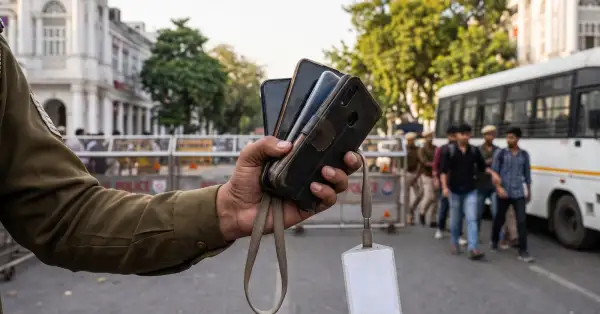
- Authorities' tactics: The regime applied a «digital dome» strategy, cutting the country off from the outside world. The goal is to prevent the coordination of protesters and stop video evidence of killings from reaching the global media.
- Official position: The Iranian Minister of Communications cynically called this a «security measure».
4. Geopolitical Nerve
The external factor is heating up the situation. US President Donald Trump has already stated that America is «ready to come to aid» and that Washington is «locked and loaded» if Tehran continues killing civilians. In Tehran, this is perceived as a direct threat of military intervention, which only increases the nervousness of the IRGC security forces.