Tor Browser 16.0 runs natively on ARM Linux, from Raspberry Pi to Apple Silicon
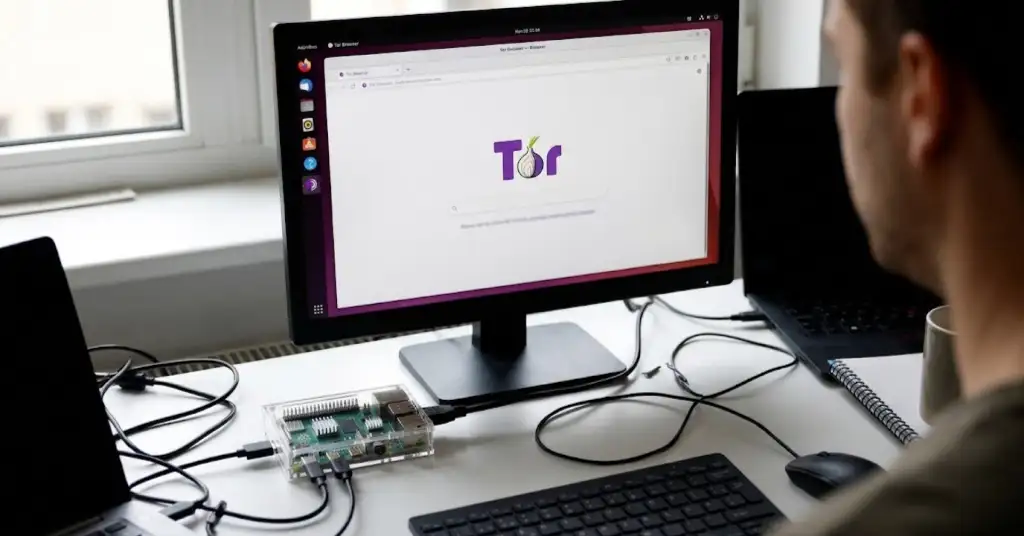
The Tor Project released Tor Browser 16.0 on 29 October for desktop and Android. It is the first stable version built on Firefox ESR 153, and it now runs natively on Linux computers with 64-bit ARM processors, such as a Raspberry Pi or an Apple Silicon Mac running Linux. Until now, owners of those machines had to use test builds.
A year of Firefox changes, checked for privacy
Tor Browser follows Firefox's long-term support branch and jumps to a new one about once a year. Version 15.0 was based on Firefox 140, so 16.0 takes in a year of changes from Mozilla at once. Before the switch, the Tor developers reviewed more than 270 Firefox changes that could weaken users' privacy or security, the project wrote in its release notes.
Some new Firefox features are switched off. The changelog lists WebGPU, which stays disabled "until audited", as well as XSLT, the Reporting API and WebXR. On Android, Tor Browser turns off Firefox's AI features, Google Lens and search suggestions. The release also updates the built-in tor to 0.4.9.15 and NoScript to 13.6.37.1984.
New settings and an option to hide window titles
On desktop, the settings were rebuilt following the Firefox redesign Mozilla shipped in June. The old General page is gone, and its options are spread over new pages for appearance, downloads, tabs, accessibility and languages. The Connection page, where users set up bridges to get around blocking, and the Security Level page were redone in the same style. Settings that could make the browser easier to fingerprint are now hidden or carry a warning. Existing preferences carry over to the new layout.
There is also a new option to replace every window title with "Tor Browser". By default, a window title shows the name of the open page, and other programs on the computer can read it without special permission. The option is off by default because it may cause problems for screen reader users and on unusual desktop setups, and the developers ask for feedback. To turn it on, go to:
SettingsPrivacy and securityProtections from third-party applications
The built-in manual at about:manual has been replaced with the content of the new support site. It still works offline on desktop, which helps when the browser cannot connect to the Tor network at all.
Who loses support
Following Firefox, Tor Browser 16.0 ends support for 32-bit x86 Linux. The project says about 200 such computers check for updates each day, down from around 4,000 in 2019, and most of them can move to the 64-bit version. The changelog also removes Android support for x86 processors.
On Android, much of the interface has moved to Google's Material Design 3. The app still has to fit within Google Play's 100 MB limit for APK files, which is why the manual is not bundled for offline reading on phones. Tor Browser covers only browsing; for other apps on Android the project is testing a separate Tor VPN.
Next, the team plans a new circuit display that shows multi-path circuits, which send traffic over two routes that meet at one exit relay. It will appear in the Alpha version first and will be the first circuit display on Android.