Azerbaijan seeks arrest of seven Turkish citizens over posts on hijab ban
A court in Baku has issued arrest warrants in absentia for seven Turkish citizens over social media posts and protest speeches against Azerbaijan's school headscarf ban. Azerbaijan's Prosecutor General's Office announced on 19 October that the Binagadi District Court had ordered the arrests and that an international search is under way. None of the seven lives in Azerbaijan.
Among them is Fatih Tezcan, a well-known commentator who backs President Recep Tayyip Erdoğan. The others are Rıdvan Kaya, chairman of the Islamist association Özgür-Der, writer Zekeriya Ceran, lawyer Ahmet Şanlı, researcher Fahrettin Taşkaya Saral, Abdurrahman Tumer and Alparslan Tanrıkulu, Bianet and Turkish Minute report.
Posts treated as calls to overthrow the government
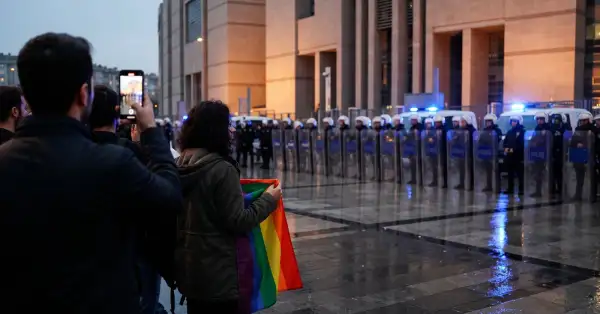
Prosecutors cite posts published between 25 September and 18 October and speeches at rallies outside Azerbaijan's consulate in Istanbul on 3 October and its embassy in Ankara on 13 October. The charges fall under Articles 281.2, 283.2.1 and 167-3.1 of the Criminal Code: public calls to seize power by force, inciting religious hatred with violence, and spreading religious extremist material. According to the prosecutor, the statements went beyond expressing religious views or criticising the state.
The full texts of the posts and speeches have not been published, and the electronic evidence is still being examined. Three days earlier a separate case named Celal Çiftçi, a writer for the Şanlıurfa newspaper Olay, so at least eight people in Turkey are now wanted in the investigation.
Turkey's constitution generally bars extraditing its own citizens, so the seven are unlikely to be handed over. Bianet notes that an international search is not the same as an Interpol red notice. The Islamist Free Cause Party (HÜDA PAR) called the case a violation of freedom of expression. Ankara has not publicly responded to the warrants.
From a school rule to blocked platforms
The dispute began on 21 September, when the cabinet barred clothing "inconsistent with the principle of secularism" in state schools. The rule does not mention headscarves, but schools began turning away girls who wear them. On 12 October police detained 37 protesters in Baku, and on the same day users lost access to Instagram and TikTok. NetBlocks then recorded restrictions on TikTok, Instagram and X across several providers. The authorities have not explained the outage. This year Azerbaijan also widened the grounds for blocking websites without a court order to include insults and "disinformation".
Baku has also pressed Ankara. According to Middle East Eye, citing three officials, Azerbaijan asked Turkey to dismiss Erdoğan adviser Oktay Saral over his criticism of the ban, prosecute commentators who insulted President Ilham Aliyev, and block a list of social media accounts. Turkey blocked some of them, the outlet says. Turkish authorities block accounts readily: this year, during a crisis around investment funds, they restricted 194 X accounts of economists and journalists.
The two countries remain allies: they signed a mutual defence declaration in 2021, and this month Turkish officials announced $500 million in defence contracts in Baku. Foreign Minister Hakan Fidan has said the strategic relationship matters more than the disagreement.
• Azerbaijan issues arrest warrants for 7 Turks, including pro-Erdoğan pundit - Turkish Minute
• Azerbaycan Türkiye'den 7 kişi için gıyabi tutuklama ve uluslararası arama kararı çıkardı - Bianet
• Inside the Turkey-Azerbaijan rift: How a headscarf ban strained an alliance - Middle East Eye
• Azerbaijan ban on headscarves in schools opens rift with ally Turkey - The National
• Residents of Azerbaijan faced problems accessing social networks against the backdrop of the hijab ban - Caucasian Knot