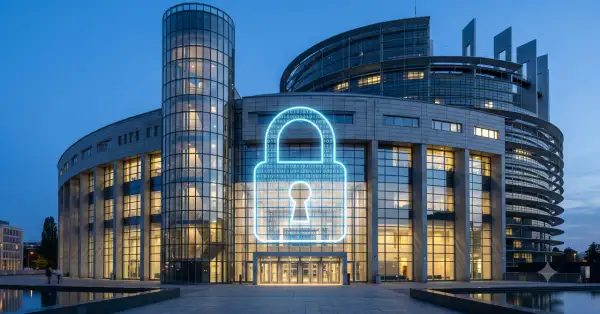
US Pushes for a UN Declaration on Online Free Expression, Taking Aim at the EU's Content Rules
The United States is preparing to take the fight over online freedom of expression to the United Nations. According to a draft document first reported by Politico, the US administration wants countries to adopt a declaration on free speech around September's UN General Assembly - one that would have signatories formally recognise that punishing "alleged disinformation and hate speech" can itself endanger free expression, and that would push back against government demands for platforms to monitor and track what their users post.
What the declaration would say
The draft frames itself as a defence of open debate. Signatory states would "commit to recognise" that broad rules against disinformation and hateful content can chill legitimate speech, and would resist regulatory frameworks that lean on platforms to police and record user content on the government's behalf. In plain terms, it is an argument for a lighter-touch internet, where the state does less to compel platforms to watch what people say.
Supporters cast that as a principled stand for expression. Critics see a more targeted motive - and they do not have to look far to find it.
The real target: Europe's Digital Services Act (DSA)
EU lawmakers read the initiative as a direct challenge to the bloc's Digital Services Act (DSA), the sweeping law that requires large platforms to assess and mitigate "illegal content" and systemic risks. Washington has been building opposition to the DSA through diplomatic channels, instructing embassies in Europe to argue that the law imposes undue limits on speech and to press for a narrower definition of what counts as illegal content. Taking that argument to the UN would turn a transatlantic quarrel into a global standard-setting contest.
Brussels has pushed back hard, calling the censorship accusations unfounded and insisting its digital laws will not be rewritten under pressure. The result is two governments, each claiming to defend users, promoting opposite blueprints for how the internet should be governed.
Two visions, one uncomfortable common thread
Strip away the diplomacy and the dispute is about a single question: how much should platforms be made to watch their users? One camp wants mandatory monitoring to catch disinformation and hateful or illegal content. The other wants platforms shielded from exactly those demands. Both sides insist they are protecting people.
For anyone who values privacy, neither vision is automatically safe. Europe's own push to scan private messages shows how "protect users" can slide into blanket surveillance - we covered that when the EU's Chat Control proposal advanced despite a majority against it, and the recurring pattern where sweeping monitoring arrives wrapped in child-protection language. A declaration that limits content-tracking mandates sounds like the opposite instinct, yet the same government promoting it has its own record of pressuring platforms. The lesson is consistency: monitoring is a risk to expression no matter which capital is asking for it.
Where privacy tools come in
While states argue over who gets to police speech and metadata, the individual's leverage stays roughly the same: control over your own traffic. This is the logic behind tools that hide what you read and where you connect from - and, tellingly, governments themselves fund it. US-backed programs have for years financed anti-censorship VPNs and proxies for people living under the world's strictest firewalls, an implicit admission that when a state wants information to move freely, it reaches for the same tools individuals use for privacy. Encryption and VPNs do not resolve the policy fight, but they are what keeps individual expression viable while governments disagree about the rules.