Russia Removes iStories App from App Store: The Last Independent Media Without VPN Goes Dark
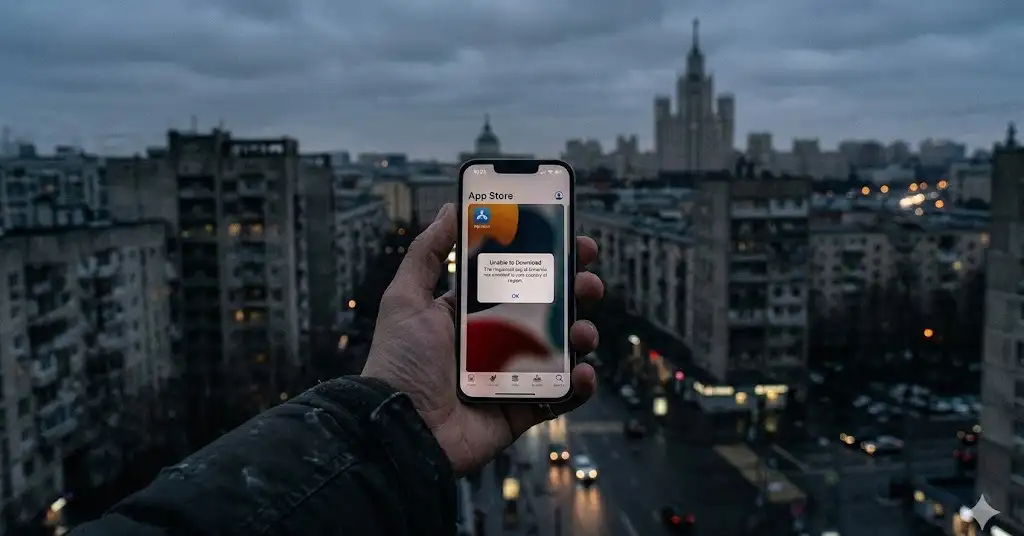
Russia has removed the mobile app of iStories, an independent Russian investigative journalism outlet, from the App Store - eliminating the only major independent media platform specifically designed to work inside Russia without a VPN. The move follows an April 2026 order from Roskomnadzor, Russia's federal communications regulator, which demanded Apple and Google delete the app under threat of legal consequences.
Built to Beat the Block
iStories (Important Stories) launched its mobile app in February 2026 with a single purpose: allow Russians to read independent investigative journalism without relying on a VPN or any circumvention tool. Russia has blocked thousands of websites over the years, including most opposition and independent media. VPN usage surged after the 2022 invasion of Ukraine, but authorities have aggressively targeted VPN services too - removing over 700 of them from Russian app stores since 2017.
The iStories app was an attempt to find a different path: a native mobile application that could fetch content through mechanisms that bypassed standard DNS-level blocking. The app quickly became one of the few remaining lifelines for Russians who wanted access to uncensored reporting without the technical overhead of additional tools. It distributed iStories investigations on corruption, war crimes, and Kremlin policy - exactly the kind of content Roskomnadzor classifies as "fakes" or "destabilizing material."
The Takedown Order
In late April 2026, Roskomnadzor sent formal takedown letters to both Apple and Google, demanding the removal of the iStories app from their Russian stores. The regulator accused the app of "destabilizing the sociopolitical situation in the Russian Federation" and distributing content that violated Russian law. iStories published the full text of the letters, calling the order a straightforward act of censorship targeting independent journalism.
Apple complied and removed the app from the Russian App Store. The removal continues a well-established pattern: Apple has consistently accommodated Roskomnadzor demands for years. In 2024, the company removed the Radio Free Europe iOS app (Radio Svoboda) from the Russian store following a similar order. Apple's own annual transparency report, flagged by iStories in May 2026, revealed that Russian authorities demanded the removal of 1,213 apps from the App Store in 2025 alone - more than any other country in the world, surpassing China. Apple removed the majority of them. Most involved VPN services, but media apps have been repeatedly targeted as well.
Why This Case Is Different
What makes the iStories removal particularly significant is that the app was not a VPN. It did not encrypt traffic or route it through foreign servers. It was built specifically so that Russians could access independent journalism through alternative delivery methods - precisely because VPN tools are increasingly blocked, legally risky, or unavailable in Russian app stores.
Russia has classified VPN promotion as illegal and has pressured Apple and Google to purge VPN applications from their Russian storefronts. The iStories app was a direct workaround to that crackdown - and its removal signals that the censorship apparatus is no longer satisfied with targeting VPN infrastructure alone. Any application that delivers uncensored news inside Russia, regardless of its technical mechanism, is now treated as a threat.
Apple's Compliance Problem
Apple has consistently cited its obligation to comply with local laws as the reason for removing apps in Russia, China, and other authoritarian markets. Critics - including iStories itself - argue that this compliance makes Apple an active participant in censorship, not a neutral platform operator. The company's dominant position in the app distribution market means that a single government demand, backed by the threat of market access restrictions, can effectively silence a media organization for millions of users simultaneously.
For Russians using iPhone devices, there is no alternative to the App Store. Sideloading is possible but technically complex and unfamiliar to most users. That structural dependency gives regulators like Roskomnadzor a powerful lever - one they have demonstrated they will use.
What Comes Next for Russian Users
With the iStories app gone from the Russian App Store, the outlet's iOS users lose their most convenient access point to its reporting. The iStories website remains blocked inside Russia without circumvention tools. Telegram channels and mirror sites can partially fill the gap, but they require users to actively seek out and install workarounds - raising the friction for the average reader significantly.
For Russians determined to access independent media, a reliable VPN remains the most comprehensive solution - but VPN apps themselves have been aggressively purged from Russian app stores, and the remaining ones operate under constant pressure. The window for accessing uncensored information inside Russia continues to narrow with each successive removal.
• Russia orders Apple and Google to remove iStories app - TechRadar
• Russia's media regulator demands Apple and Google remove iStories app - Meduza
• Russia Demands Apple and Google Remove Independent Investigative News App - OCCRP
• Apple removed 1,213 apps at Russia's request in 2025 - Meduza