Russia plans to cut off phones brought from abroad unless registered on Gosuslugi
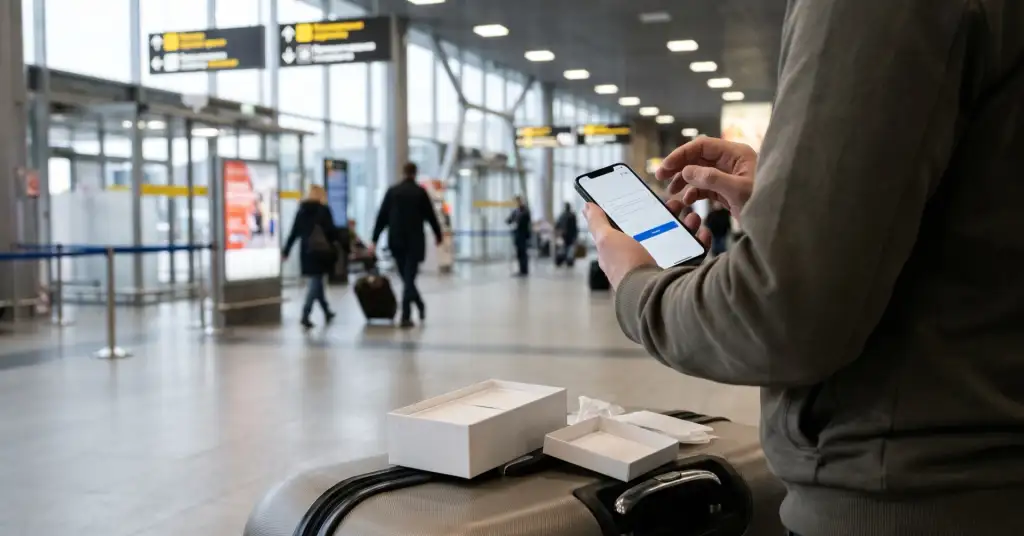
Russia's Ministry of Digital Development is preparing a rule that would force people who bring a smartphone into the country themselves to register its IMEI number on the Gosuslugi state services portal. Owners would get two weeks to do it. After that, carriers would stop serving the unregistered phone on Russian mobile networks. The business daily RBC reported the plan on 29 October, citing its sources, and the ministry told the paper the draft is still being discussed in the government's office and may change.
Who would have to register
According to the ministry, the requirement covers two groups: people who bought a phone abroad and carried it into Russia, and buyers of what the ministry calls counterfeit devices, a term that in Russian usage also covers unlicensed grey imports. In practice that means any handset that never went through customs clearance. Phones sold through official retail chains would not be affected, because legally imported devices are expected to land in the database automatically.
There is also a cut-off date. The registration duty is expected to apply from April 2027, and phones that were already working on Russian networks before then would keep working without registration, however they entered the country. The Moscow Times, citing sources, adds that the authorities plan to charge a fee for registration. The size of the fee has not been reported.
The reports leave several questions open. It is not clear whether the two weeks start from the day of entry or from the first connection to a Russian network, and none of them say how the rule would treat foreigners who visit Russia with their own phones.
The target is grey imports
According to the reports, the rule is aimed at small-scale traders who bring phones in one by one and resell them without customs paperwork. Alexei Fedorov, who chairs the e-commerce council of Russia's Chamber of Commerce and Industry, estimates that up to 70% of sellers working with grey imports could leave the market and that prices for some models could rise by up to 40% compared with the cheapest offers today.
Part of the national IMEI database
The requirement is to be written into a government resolution on the database of user equipment identifiers. The database itself was created by the second anti-fraud package that Russian lawmakers passed in the summer of 2026, and the rules are due to take effect in March 2027. We covered the registry in June, when the government approved tying devices to SIM cards.
Carriers and the Federal Customs Service will feed data into the database. Each device will get one of three statuses: allowed, prohibited or unregistered. Stolen and lost phones, devices restricted by a court and devices that fail security requirements count as prohibited, and carriers must block them. The ministry has previously said the database is meant to fight illegal imports, IMEI spoofing and the use of devices to control drones.
An IMEI identifies the handset itself. The phone sends it to the carrier every time it connects to the network, before any internet traffic starts, so apps and VPNs have no effect on it. Once a device is registered through Gosuslugi, which runs on a citizen's personal account, the database would link that phone to a specific person.
• В России могут обязать регистрировать ввезенные из-за рубежа смартфоны - Фонтанка.ру
• Власти задумали отключать от сетей незарегистрированные смартфоны россиян - The Moscow Times
• Минцифры готовит требование об обязательной регистрации IMEI для ввезённых «серых» смартфонов - vc.ru
• Купленные за границей смартфоны придётся регистрировать по IMEI на Госуслугах - iPhones.ru