Russia's National IMEI Registry: Every Phone Must Be Tied to a SIM Card
Russia has taken another step toward tightening control over digital communications. The government has officially approved the creation of a national IMEI registry - a centralized database that will link every mobile device with a SIM card slot to a specific subscriber. Unregistered devices will be classified as "prohibited" and blocked from making calls. The move is part of a broader, multi-layered surveillance architecture that is quietly being assembled across the country.
What Is IMEI Registration and What the New Rules Require
IMEI stands for International Mobile Equipment Identity - a unique 15-digit hardware identifier built into every mobile phone, tablet, or device that connects to a cellular network. Think of it as a serial number that travels with the device regardless of which SIM card is inserted. The IMEI identifies the hardware; the SIM card identifies the subscriber.
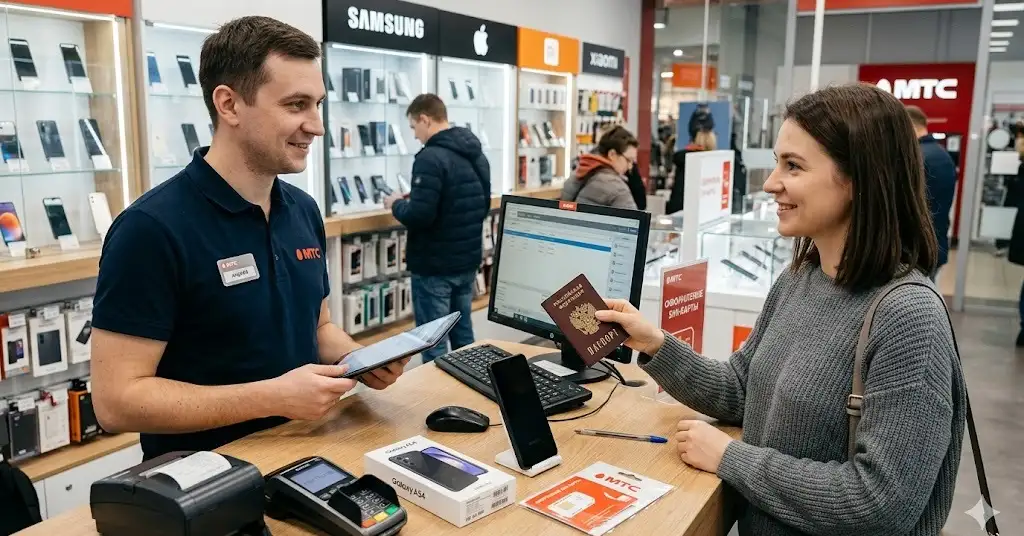
Under Russia's new rules, every device with a SIM card slot must be registered in the national database. Mobile carriers will be required to verify that the SIM card in a device matches the registered binding for that device. If no binding exists or if the binding is incorrect, the device will be blocked from making or receiving calls - effectively becoming a non-functional mobile phone on Russian networks.
The rules also introduce a procedural requirement for phone sales: before selling a used handset, the current owner must formally "unbind" the device from their account. This turns the resale of a mobile phone into a bureaucratic act that passes through state-controlled databases.
- Registration mandatory: All devices with SIM slots must be entered into the national IMEI database.
- SIM-device binding: Carriers must verify that each SIM is paired with its registered device.
- Blocked without binding: Devices without a valid registration cannot make calls on Russian networks.
- Unbinding before resale: Owners must formally release a device from their account before transferring it to a new owner.
Three Layers of Control: IMEI, TSPU, and Roskomnadzor
To understand what the IMEI registry really means, it helps to look at the full architecture of digital surveillance that Russia has built - or is building. There are three distinct layers, each operating at a different technical level.
Layer 1 - Hardware (IMEI): The new IMEI registry sits at the lowest level. It operates at the radio and hardware layer, before any internet connection is established. It answers the question: which physical device is connecting to the network, and does it belong to the person whose SIM card is in it? This is not about what you browse or communicate - it is about who you are at the hardware level.
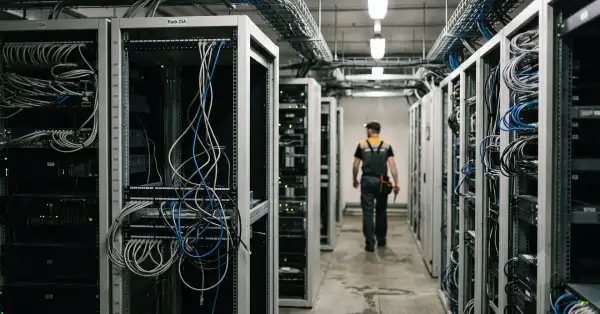
Layer 2 - Network traffic (TSPU): Above the hardware layer sits the TSPU system - deep packet inspection hardware that Russian law requires to be installed at every internet service provider. TSPU monitors, throttles, and blocks internet traffic in real time. Russia has invested heavily in this infrastructure: Russia spent $14.5 million on new TSPU servers in recent years to expand and upgrade this capability.
Layer 3 - Content (Roskomnadzor): At the top sits Roskomnadzor, the federal communications regulator responsible for maintaining blocklists of websites and online services. RKN decides what content is forbidden and instructs ISPs to enforce those blocks. The agency has become increasingly aggressive: it has been accused of DDoS attacks on VPN infrastructure and has allocated 2.27 billion rubles for an AI traffic filtering system to automate the detection and blocking of circumvention tools.
Countries That Already Have Strict IMEI Registries
Russia is not pioneering IMEI registration - the concept exists in several countries, mostly framed as an anti-theft or anti-counterfeiting measure. But the implementation details matter enormously.
- Turkey (CEIR system): Foreign phones are allowed to operate for 120 days. After that, without registration - which involves paying a significant tax - the device is blocked from Turkish networks. This has created a notable barrier for travelers and expatriates.
- Indonesia: Devices purchased abroad must be registered at customs upon entry. Unregistered foreign devices face blocking after a grace period.
- Pakistan (DIRBS): Pakistan's Device Identification, Registration and Blocking System blocks all unregistered devices and is specifically designed to fight cloned IMEIs - a major problem in grey-market phone sales.
- Colombia and Chile: Both countries enforce strict homologation requirements, meaning devices must be officially certified before they can be used on national networks.
The critical difference with Russia's approach is context. In Turkey or Indonesia, IMEI registration is primarily framed around tax compliance and device authenticity. In Russia, it is part of a surveillance architecture that also includes deep packet inspection and content censorship. The same technical mechanism serves a very different political purpose.
Does a VPN Help Against IMEI Tracking?
This is the most important technical question, and the answer requires precision. A VPN does not protect against IMEI tracking - and that is not a failure of VPN technology. It is simply a matter of operating at different technical layers.
IMEI identification happens at the radio frequency layer, before your device establishes any internet connection at all. When your phone connects to a cell tower, it transmits its IMEI as part of the standard cellular protocol. This happens regardless of what software is running on the device. A VPN is an application-layer tool - it encrypts your internet traffic after your device is already connected. It has no ability to intercept or modify the IMEI signal that travels between your device and the cell tower.
Put differently: IMEI tracking happens before you even open a browser or activate a VPN. They operate at fundamentally different levels of the network stack.
However, this does not reduce the importance of a VPN for privacy in Russia. Against the other two surveillance layers - TSPU network monitoring and Roskomnadzor content blocking - a VPN remains one of the most effective tools available. A quality VPN encrypts your internet traffic, making it significantly harder for TSPU systems to inspect what you are doing online. It also routes your connection through servers outside Russia, allowing access to blocked services and websites.
What This Means for Ordinary Users
For people living in Russia, the IMEI registry adds a new dimension to digital life. Buying or selling a used phone now requires engaging with a government database. Travelers bringing foreign phones into Russia may find their devices blocked if not properly registered. People who rely on multiple SIM cards - a common practice for separating work and personal communications - will need to navigate binding rules more carefully.
There is also a chilling effect that goes beyond the technical. When the state knows not just your SIM card identity but which specific physical device you are using, anonymity becomes significantly harder to maintain. Swapping SIM cards - a traditional technique for separating identities - loses much of its effectiveness when the device itself is permanently associated with a registered owner.
For users concerned about digital privacy, the picture remains nuanced. The IMEI layer is difficult to circumvent without specialized knowledge. But against network surveillance and content blocking - the daily reality for most users - a reliable VPN continues to offer meaningful protection. Encrypted connections make TSPU monitoring less effective. Access to blocked content becomes possible. These two surveillance layers affect far more people in their day-to-day internet use than IMEI tracking does.