Manhattan prosecutors seize 12 deepfake porn sites that sold sexual videos of 1,200 real people, mostly women in public life
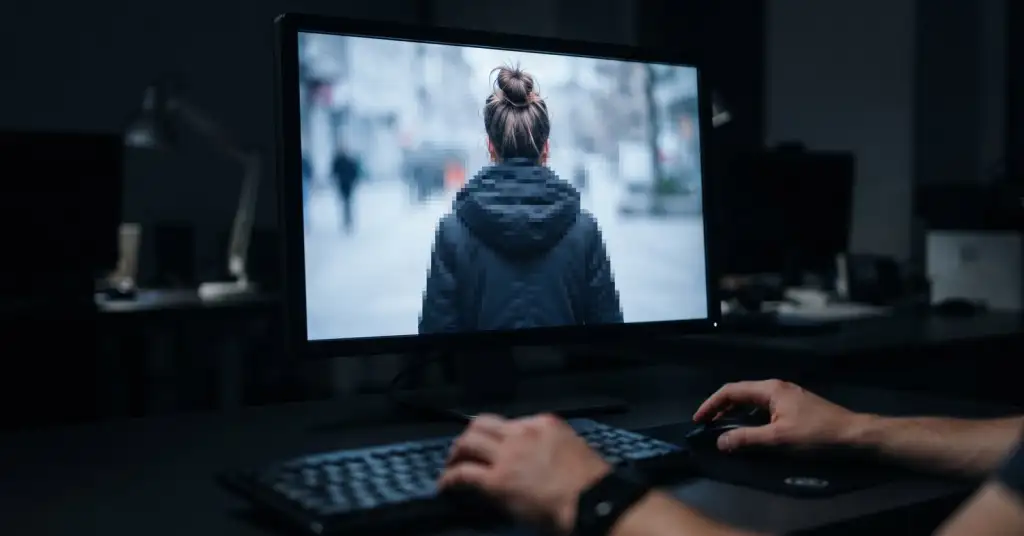
The Manhattan District Attorney's office has seized the domains of 12 websites that published and sold AI-generated sexual videos of about 1,200 real people, most of them women and most of them public figures: actors, politicians, athletes, musicians, activists and influencers. District Attorney Alvin Bragg announced the seizures on Monday, 14 September, calling them the largest action of the kind to date. The sites now show a notice that the domain was taken over under a warrant from the New York State Supreme Court. Nobody has been charged yet: the office says its investigation into the operators and into the people who uploaded the videos is continuing.
In brief
- The sites were "almost exclusively dedicated" to non-consensual intimate imagery and advertised it openly as deepfake pornography; one claimed to have been online since 2018, and some videos had tens of thousands of views.
- The seizures rest on New York state law, not the federal Take It Down Act: New York criminalised sexually explicit deepfakes in 2023, and the warrants came from a state court.
- A seized domain is gone for everyone, in every country; researchers who checked found the sites unreachable through a VPN as well. That is the difference between the site blocking the entertainment industry keeps asking Washington for and taking the name itself.
- Bragg would not say whether any of the material depicted minors, only that "the investigation is ongoing". Victims can contact the office's Cyber Crime Bureau on 212-335-9600.
What was seized and on what grounds
The office describes the sites as businesses. According to its statement, the people under investigation used AI image and video tools to turn existing photos and videos of roughly 1,200 people into "hyper-realistic" sexual imagery, then used the 12 websites "to disseminate, publish, and sell" it. Wired, which watched several of the homepages switch to seizure notices late last week, says many carried names built around phrases like "sex celebrity" or promises of "real deepfakes", that videos ran several minutes and were typically existing pornographic scenes with a famous face swapped in, and that at least two of the sites gave elected officials their own profile pages with a grid of videos. Benjamin Shultz of the American Sunlight Project, who had come across the sites while documenting deepfake abuse of politicians, counted 56 European politicians, 16 American and two British among those depicted, and says much of the material looked like reposts from MrDeepFakes, the forum that shut down in May 2025 after reporters identified its creators.
Asked at the press conference which law he was acting under, Bragg pointed to New York's own statute: the state added digitally created or altered images to its offence of unlawful dissemination of an intimate image in 2023. The warrants were issued by a New York State Supreme Court, which is the state's trial court, not the federal judiciary. That matters because the sites were not in Manhattan, and Bragg spelled out the theory: "If you let us know that an image has been posted without your permission, without your consent, we can take action as long as that website is accessible from Manhattan."
Why taking the domain works where blocking does not
A domain seizure is different from the blocking orders that rights holders and regulators usually ask for. Blocking happens at the internet provider: a court tells carriers in one country to stop resolving a name, and anyone with a VPN or a different DNS server walks around it. A seizure happens at the registry: the name is transferred to the state, its records point at the prosecutor's server, and the site is gone in every country at once. Leonie Oehmig of the Institute for Strategic Dialogue, who has studied the deepfake ecosystem, told Wired that the seized sites "don't appear to be accessible if using VPNs to try and access them from other locations". The same mechanism took down CFAKE.com and SOCFAKE.com in June, when the US Justice and Homeland Security departments used the federal Take It Down Act for the first time and French police arrested a suspect in Nice, and it is the tool the Manhattan office has used before against carding shops and a fake crypto-recovery service.
The law that is catching up
The Manhattan action lands in a year when the legal ground under deepfake sites shifted. The federal Take It Down Act, signed in May 2025, made it a crime to publish sexual digital forgeries of an identifiable adult without consent and, from May 2026, obliged platforms to remove reported material within 48 hours. Federal prosecutors in Brooklyn charged two men in May with publishing thousands of celebrity deepfakes, and earlier this month the first person convicted under the act received 15 years after investigators found more than 3,000 real and AI-generated abuse images on his devices. By August, 48 states had statutes on sexually explicit deepfakes. Bragg's point at the podium was that the celebrities are the visible end of it: "we know that anyone can be a victim in these crimes, particularly in domestic violence cases", where the same tools are used for threats. Governments elsewhere are reaching for blunter instruments, from Britain's plan to make phones themselves refuse to show nude images to the age gates spreading across Europe; New York chose to go after the businesses instead.
Which websites were seized?
Were the operators arrested?
Can the sites be reached through a VPN?
Which law was used?
What should a victim do?
• Manhattan D.A.'s Office Seizes Domains of 12 Illegal Websites Selling AI-Generated "Deep Fakes" - Manhattan District Attorney
• New York Seizes 12 Celebrity Deepfake Websites - 404 Media
• New York Seizes a Dozen Celebrity Deepfake Websites - WIRED
• United States Seizes Domain Names Publishing Nude Digital Forgeries of Famous Women - US Department of Justice
• Manhattan DA Bragg Previews Announcement About Website Seizures - Hoodline