New York law makes 3D printers scan your files
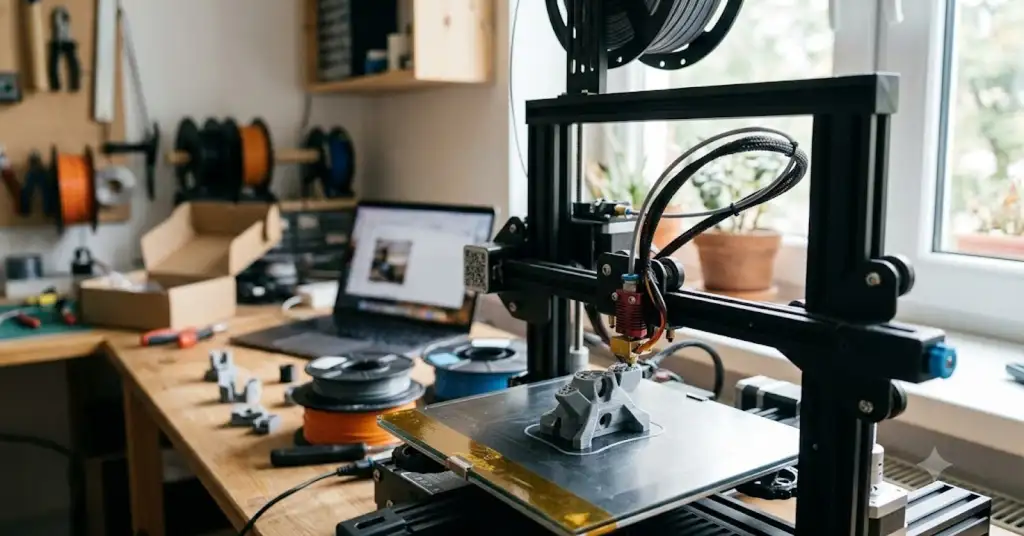
New York has become the first US state to require that 3D printers scan the files you print. Tucked into the state's 2026 budget, the measure says 3D printers and CNC machines sold in New York must run software that checks every design file against a "firearms blueprint detection algorithm" and refuses to print anything it flags as a gun part. Digital-rights groups are not worried about the gun-control goal so much as the method: it builds automated content-scanning directly into the hardware you own. The same architecture that the EU has proposed for scanning your private messages is now being written into law for physical devices.
What the law actually requires
The requirement covers 3D printers and, broadly, "any machine capable of making three-dimensional modifications to an object from a digital design file" - including CNC mills. Each machine would need firmware that scans every print file and locks the hardware if the file is flagged as a firearm frame or receiver, unless the owner holds a state and federal firearms license. The law also targets the distribution of digital gun-design files. In short, the device itself becomes the enforcement point, inspecting your files before it will act on them.
The technology does not exist yet
Here is the catch: no such reliable detection software exists, and a state working group has not even finished defining the standard. Engineers point out why it is so hard. A 3D model is just geometry, and legitimate objects - pipes, tubes, brackets, gears, blocks - share shapes with gun components. A scanner strict enough to catch real firearm parts would wrongly block huge amounts of harmless printing, while a looser one would miss anything slightly modified. As one common comparison puts it, we do not require table saws to scan wood for weapon shapes.
Why digital-rights groups are alarmed
The Electronic Frontier Foundation called the law "ill-conceived" and warned that it threatens First Amendment protections, because design files are a form of expression. The deeper concern is the precedent. Once the state can mandate that a consumer device scan your files and refuse to act on flagged ones, the same template can be pointed at other content and other machines. Open-source printer firmware maintained by volunteers, and offline printers that never touch the internet, would all fall under the rule - hard to comply with, easy to criminalise.
A shift privacy tools cannot fix
This is the part that matters most for anyone who cares about digital privacy. Encryption and VPNs protect data in transit - they stop others from watching what you send across the network. They do nothing about scanning that happens on your own device, before anything is sent at all. That is exactly the model here, and it is the same model behind client-side scanning proposals for messaging apps. When the surveillance is built into the hardware in your hands, there is no server to route around. That is why a law aimed at 3D printers is being read as a warning about the future of on-device monitoring in general.