Russia Puts Durov on Its Terrorist List and Freezes His Accounts
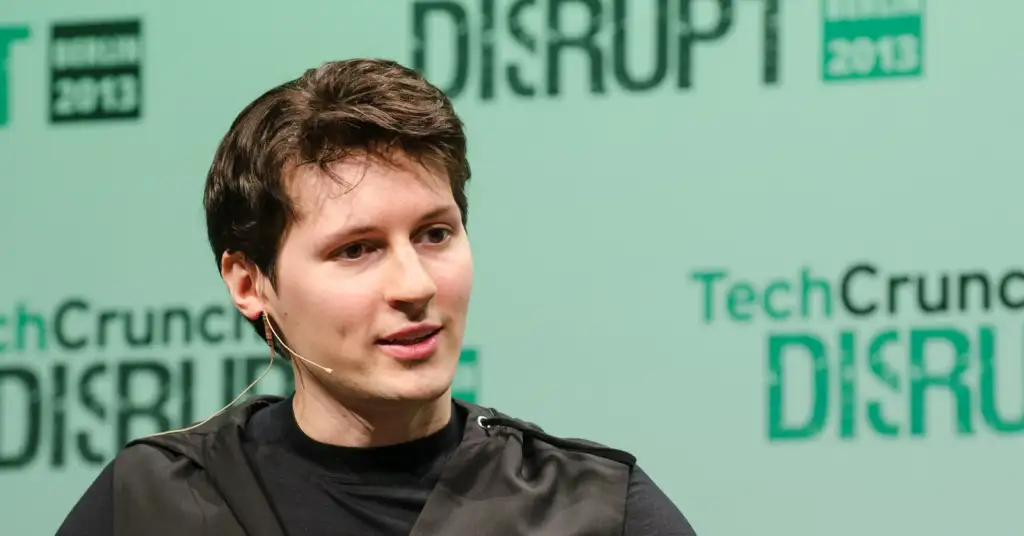
Russia has placed Telegram founder Pavel Durov on its terrorist list. On 30 July 2026 Rosfinmonitoring, the country's financial intelligence service, entered him into the official register of people and organisations "in respect of whom there is information about their involvement in extremist activity or terrorism". The Durov terrorist list entry is administrative, not a court verdict, but the effect is immediate: Russian banks must freeze the money of anyone on the register and suspend their service. It came one day after the FSB charged Durov in absentia with aiding terrorism and declared him internationally wanted.
What the Durov terrorist list designation actually does
Interfax, reporting the decision on 30 July, put the mechanism plainly: banks freeze the funds of listed individuals and stop serving them. No hearing is required, and the freeze applies from the moment the name appears in the register. In practice it cuts a person out of the regulated financial system inside Russia, because accounts, cards, transfers and most payment services stop working at once.
The lock is not absolute. Rosfinmonitoring and Russian state media described narrow carve-outs: humanitarian payments covering the subsistence of the listed person and their family, plus operations tied to taxes, wages and compensation for damage. RIA Novosti also summarised the wider set of restrictions that attach to extremist status in Russia, from limits on standing in elections to limits on organising public events.
For Durov personally the practical damage is limited. He lives in Dubai, holds French and UAE citizenship, and does not run his businesses through Russian accounts. The signal is aimed at a domestic audience: the man behind the country's most-used messenger now sits in a state registry next to convicted extremists.
The FSB case behind the listing
On 29 July the FSB announced charges against Durov under part 1.1 of Article 205.1 of the Russian criminal code, aiding terrorist activity. The service alleges that Telegram's administration refuses to remove channels and bots used to coordinate sabotage, cyber fraud and attacks inside Russia, and ties that refusal to human casualties and to billions of roubles in damage. The Moscow Times reports the charge carries up to 15 years in prison. The same statement put Durov on an international wanted list, a step Russian officials had described a day earlier as still undecided, as we covered in our report on the FSB charges.
Durov is also under investigation in France, where he was detained in August 2024 over alleged failures to cooperate with authorities on illegal content. Telegram has consistently rejected the premise of both cases, arguing that the platform removes illegal material at scale and that the prosecutions are political.
Rosfinmonitoring: the restrictions do not extend to Telegram
Hours after the listing the agency issued an unusual clarification. "The restrictions in question do not extend to Telegram as a legal entity," Rosfinmonitoring said in a statement carried by RIA Novosti. The point matters inside Russia, where users immediately began asking whether paying for Telegram Premium or buying Stars could now count as financing a listed person. Lawyers quoted by Russian outlets drew the same line: charging the founder does not, by itself, ban the messenger.
Durov answered with a meme
The response from Durov was not a legal statement. He posted an image captioned "Don't mix them up": his own photo labelled as a terrorists' accomplice, next to a photograph of Russian foreign minister Sergei Lavrov meeting Taliban representatives, captioned "dear partners". Earlier he had accused the Russian authorities of fabricating pretexts for a total ban on Telegram, calling it a sad sight when a state fears its own people.
What changes for Telegram users in Russia
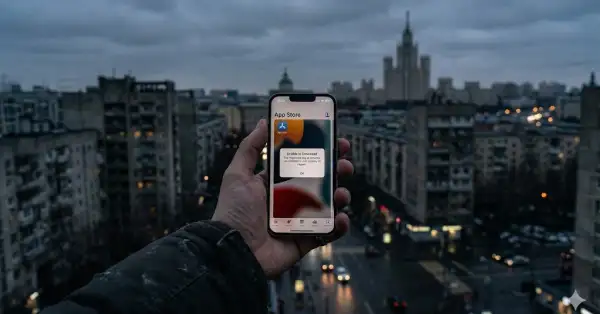
Almost nothing changed on 30 July, because the squeeze started long before. Voice calls in Telegram have been blocked in Russia since August 2025. Registration of new users was restricted at the end of October 2025. Roskomnadzor has throttled the service and said in February 2026 that the limits would stay until Telegram complies with Russian law. The Moscow Times estimates that around 90 million people in the country still use it, mostly over a degraded connection. Pressure now comes from opposite ends of the political map: in the same week Australia's online safety regulator sued Telegram over pro-terror content it says was left up.
That is the real story of this designation. It is another turn of a screw that has been tightening for a year, and each step - blocked calls, capped registrations, throttled traffic, now a founder on the terrorist list - pushes ordinary users toward tools that restore a normal connection, which is why encrypted tunnels and VPN use in Russia have grown with every new restriction rather than after a single dramatic ban.
Conclusion
• Rosfinmonitoring adds Pavel Durov to the list of terrorists and extremists - Interfax
• Restrictions against Durov do not apply to Telegram, agency says - RIA Novosti
• Charges against Durov and the tightening of Telegram restrictions - Kommersant
• Russia Adds Telegram Founder Pavel Durov to Terrorist and Extremist List - The Moscow Times
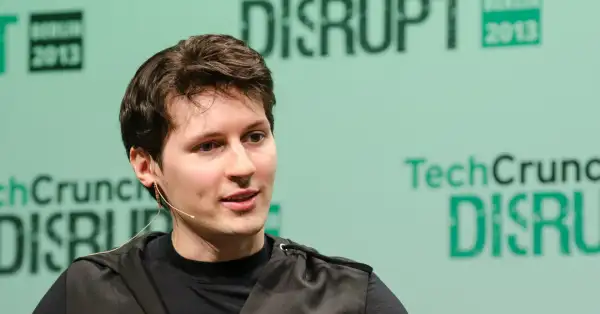
• Cover photo: TechCrunch, CC BY 2.0, Wikimedia Commons