Musk and Durov vs EU: Censorship, Chat Control, and VPN Benefits

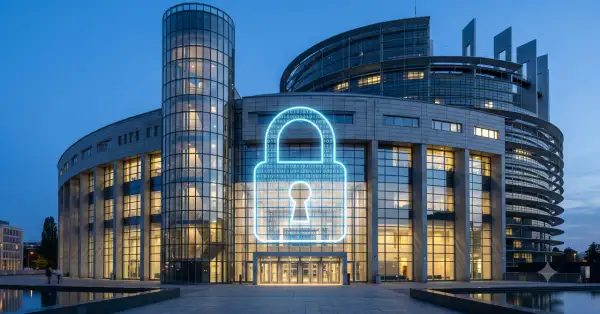
December 2025 dispelled illusions about freedom on the European internet. Fines for X, pressure on Telegram, and the transformation of the Chat Control law into a deanonymization tool show: Europe is building a «digital iron curtain».
1. Elon Musk and the X Fine: Political War
In early December 2025, the European Commission fined platform X (formerly Twitter) 120 million euros. The formal reason was a violation of the Digital Services Act (DSA) — allegedly «misleading design» of the verification system and insufficient transparency in advertising.
Elon Musk called this an attack on national sovereignty and called for the dissolution of the EU. The conflict escalated into a diplomatic one: US Vice President J.D. Vance and Secretary of State Marco Rubio supported Musk, accusing Europe of attempting to censor American companies.
2. Pavel Durov and Intelligence Blackmail
Telegram founder Pavel Durov, whose travel ban from France was only lifted in November 2025, revealed details of the pressure. According to him, in the spring of 2025, the head of French intelligence (DGSE) demanded the blocking of Romanian opposition channels before the elections.
«We did not block protesters in Iran or Russia, and we will not do it in Europe», stated Durov, refusing to comply with the demand. However, Telegram was forced to make concessions on other issues, starting to hand over IP addresses of criminals upon court requests.
3. Chat Control: From Message Scanning to Digital Passport
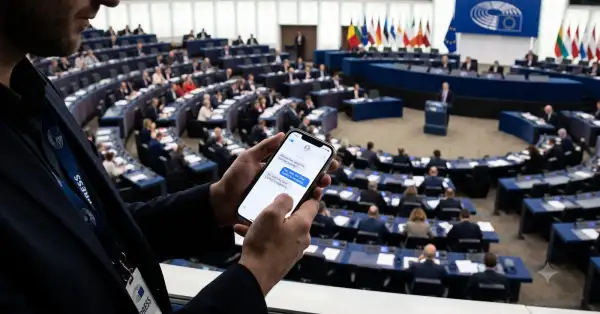
As we wrote earlier, the CSAR («Chat Control») bill originally proposed scanning personal correspondence on user devices. This caused a storm of protests and threats to leave the market from secure messengers like Signal.
In November 2025, the EU Council agreed on a new version of the regulation. Mandatory message scanning (breaking encryption) was excluded. But a new, hidden threat emerged — mandatory age verification.
Now, to access a messenger or social network, a user in the EU will have to verify their age. This means de facto deanonymization: linking a digital account to real documents or biometrics.
4. Why VPN is the Only Solution
In conditions where platforms are fined for refusing censorship, and citizens are wanted to show a passport to enter a chat, a VPN becomes a critical necessity.
- Bypassing Political Censorship: The case with Romania showed that content can be blocked by a call from intelligence. A VPN allows changing the region to Switzerland or the USA, where these restrictions do not apply.
- Protection from Age Verification: Age Verification systems work by IP address. By changing the IP to a non-European one, the user avoids the requirement to upload a document scan.
- Data Privacy: A reliable VPN hides the real IP address even from the messenger itself, breaking the data chain that authorities might request.
• ComplianceHub — EU Fines X €120 Million
• Tuta Blog — Huge Victory: Chat Control no longer forces breaking encryption but wants age verification
• Straits Times — Durov says French spy chief asked him to ban conservative Romanian voices
• Biometric Update — EU Parliament supports age assurance
• EDRi — Chat Control: What is actually going on?