Starmer Gives Apple and Google a 3-Month Ultimatum on Child Safety
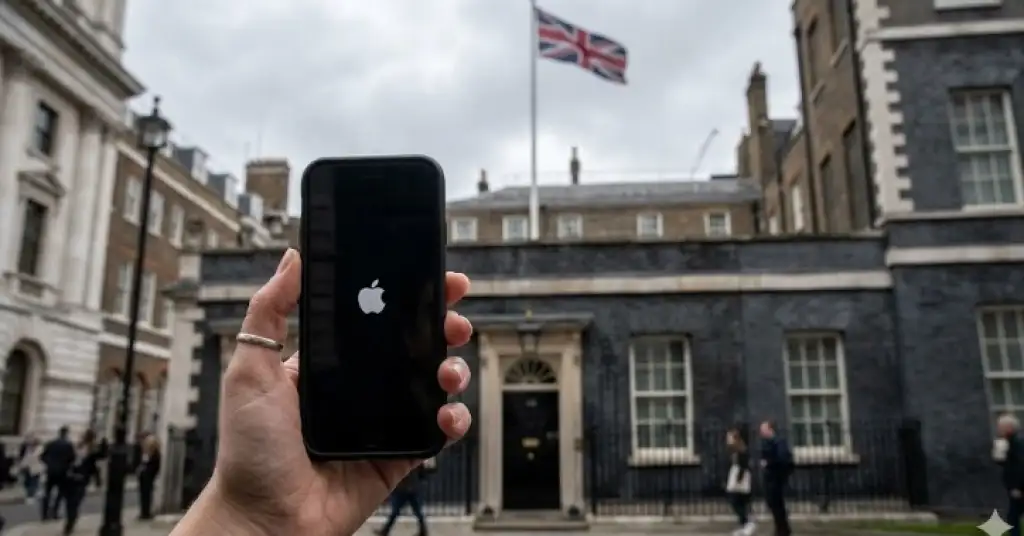
UK Prime Minister Keir Starmer has given Apple and Google an ultimatum with a three-month deadline: activate built-in protections to stop children from taking, sending or viewing nude images on their devices - or face legislation that could include criminal liability for company executives. The announcement, made at London Tech Week on June 8, 2026, marks one of the most aggressive moves by any Western government against the major smartphone platforms over child online safety.
What Starmer Is Demanding
Both Apple and Google already have features designed to detect and block nude imagery for users with child accounts. Apple's "Communication Safety" system warns children who send or receive images containing nudity via Messages, AirDrop and FaceTime - a feature that was significantly expanded when iOS 26.4 made Apple ID the de facto identity layer for UK age verification. Google has similar protections built into Android. But the UK government says these tools are opt-in, patchily deployed, and do not cover third-party apps.
Starmer's demand is for both companies to expand these protections to all apps on their platforms and activate them by default for every user under 18 - not just those with formally registered child accounts. Speaking at London Tech Week, he said: "This is not an impossible challenge. These are some of the most innovative companies in the world and I believe they can solve it."
Technology Secretary Liz Kendall put it more directly: "Companies should switch these protections on by default, for every child, on every device. We are giving them three months to show us that they will do the right thing."
The Legislation Threat
The three-month voluntary compliance window is explicitly backed by a legislative threat. The government said it will bring forward legislation to force firms to activate the features if they do not comply voluntarily. That legislation could cover not just Apple and Google but the wider supply chain - including retailers who sell devices - and as a last resort could impose criminal liability on companies that do not comply.
Home Secretary Shabana Mahmood put it bluntly: "Tech companies have a moral duty to act by making it impossible for children to take, share or view nude images. If they don't, we will legislate."
The proposed rules would apply to all existing and newly sold smartphones and tablets in the UK - meaning companies could not simply grandfather in older devices or apply rules only to future hardware.
The Age Verification Layer
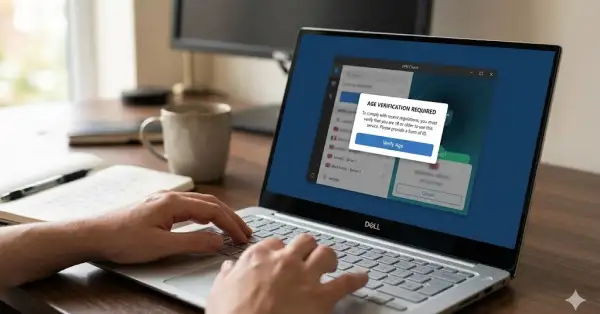
Embedded in the nudity-blocking proposal is a significant privacy complication. Starmer explicitly said that the rules "will not affect the use of devices owned and used by adults who verify their age." This means the entire system is contingent on a mechanism for distinguishing adult users from under-18s at the device level.
In practice, implementing this at scale would require either a verified age registration system linked to a device's operating system account, or a self-declaration mechanism (easily bypassed). Apple's existing approach relies on parents setting up formal Child Accounts via iCloud Family - a process that covers relatively few UK teenagers. Extending verified age control to all devices would represent a fundamental shift in how smartphones handle user identity.
Critics and privacy advocates have flagged this as the hidden cost of the proposal: to enforce restrictions on under-18s, every adult in the UK would effectively need to prove their age to their smartphone's operating system.
Industry Response
Google responded cautiously, saying it was "deeply committed to protecting children online" and "working constructively with UK partners to find effective, privacy-preserving solutions." Apple did not respond to press requests for comment before publication.
The government has cited an AI tool developed by SafeToNet - a UK safety tech firm - as evidence that on-device detection and blocking of nude imagery can be achieved without breaking privacy. But critics note that extending such systems to every app on a platform, including encrypted messaging services, would require either access to encrypted content or a fundamental change in how end-to-end encryption works in practice.
The Broader Picture: Social Media Ban for Under-16s
The nude-image ultimatum is the most concrete element of a wider UK push to restrict children's access to online content. The government is simultaneously considering legislation that would restrict access to social media platforms for all users under 16 - a ban similar to that already enacted in Malaysia and Australia. Reuters has reported that Starmer may announce this measure imminently.
Together, these proposals represent the most comprehensive attempt by any UK government to use the smartphone operating system as an enforcement layer for child protection policy. The Online Safety Act, which passed in 2023, imposed obligations on platforms - but not on Apple and Google as OS providers. Extending those obligations to the OS level is a significant doctrinal shift. The UK's House of Lords has already approved VPN blocks for children bypassing social media restrictions, and a consultation on mandatory VPN age verification closed in May 2026 - signalling that OS-level enforcement is part of a broader infrastructure being assembled piece by piece.
For UK users, the practical implication is straightforward: over the next three to six months, Apple and Google are likely to announce some form of expanded default protections for under-18 accounts. Whether those protections are meaningful, privacy-preserving, or actually verifiable - rather than easily bypassed by a teenager entering a false birth date - is the question that will determine whether this initiative is serious policy or political theatre.
• Starmer tells Apple and Google to ban nude images on children's phones - BBC News
• Apple Just Made the Apple ID an ID: iOS 26.4 Ships Mandatory UK Age Verification - vpnlab.io
• UK VPN Age Verification Consultation: Britain Inches Toward First Western VPN Mandate - vpnlab.io
• UK House of Lords Approves VPN Ban for Kids and Social Media Under 16 - vpnlab.io
• Malaysia Bans Social Media for Under-16s: Biometric ID Verification Now Mandatory - vpnlab.io