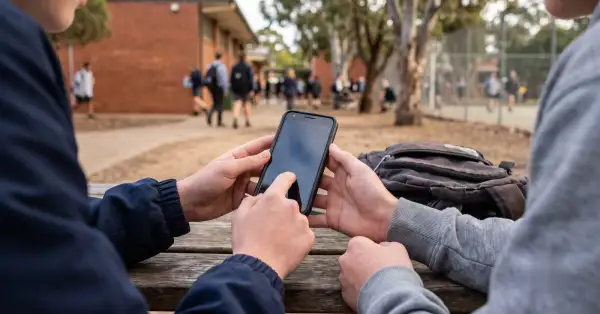
Malaysia Bans Social Media for Under-16s: Biometric ID Verification Now Mandatory
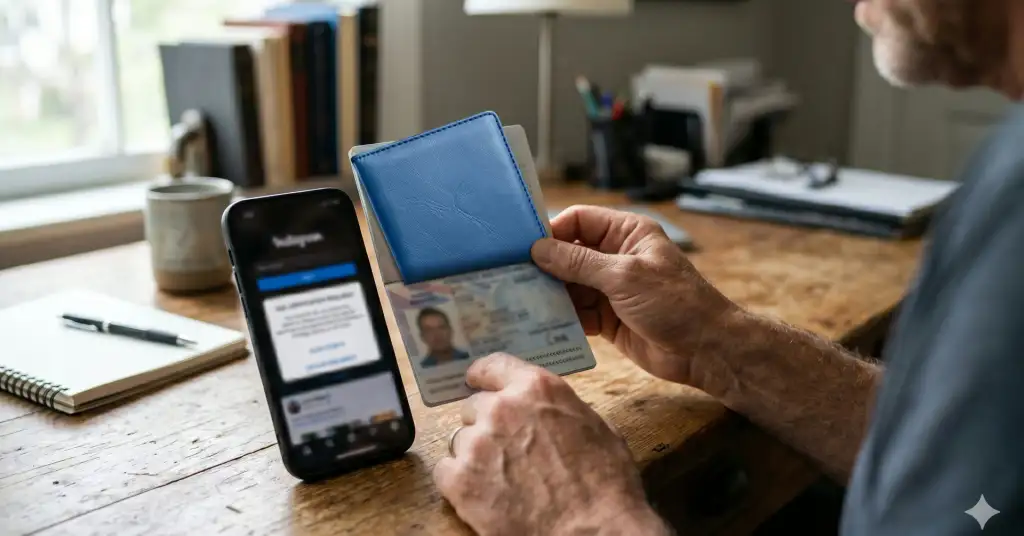
Malaysia began enforcing one of the strictest social media age verification systems in Southeast Asia on June 1, 2026. Children under 16 are now legally barred from creating or accessing social media accounts on Facebook, Instagram, TikTok, and YouTube - and every adult user must verify their identity through government-issued documentation before platforms can grant access.
How the New Rules Work
The Malaysian Communications and Multimedia Commission (MCMC) implemented the ban under two new regulatory instruments: the Children's Protection Code (CPC) and the Risk Mitigation Code (RMC). Under these rules, social media platforms operating in Malaysia must require new users to verify their age using official documents - specifically Malaysia's national identity card (MyKad), a valid passport, or the government's MyDigital ID platform.
The verification process goes beyond simply uploading a document. The MyDigital ID system pairs document scanning with automated facial recognition and liveness detection, confirming that the person creating the account matches the identity on the submitted ID. Platforms must reject registration attempts from anyone who cannot clear this process - effectively creating a biometric checkpoint at the door to social media.
Existing account holders are also required to retroactively verify their identities. The law applies to all users, not just new registrations. Companies that fail to implement compliant verification systems face fines of up to RM10 million - approximately $2.5 million USD.
The Stated Goal: Protecting Children Online
Malaysian authorities framed the legislation as a child protection measure, citing concerns about online predators, cyberbullying, exposure to harmful content, and the documented psychological effects of unregulated social media use on adolescents. Digital Minister Gobind Singh Deo and MCMC have positioned the law as part of a broader digital safety framework rather than a censorship effort.
Malaysia joins Australia, the United Kingdom, France, and a growing number of countries that have moved toward mandatory age verification for social media. Australia's under-16 social media ban, passed in late 2024, is the closest parallel - it similarly prohibits minors from accessing major platforms and places enforcement responsibility on the companies themselves.
Who the Law Leaves Behind
Before the law took effect, ARTICLE 19 and more than 70 Malaysian civil society organizations submitted a formal objection to the government, calling for the plan to be withdrawn. Their concerns center on several groups who face disproportionate harm from mandatory ID verification:
- LGBTQ+ residents: Malaysia criminalizes same-sex relationships under both federal penal law and state-level Shariah legislation. Social media has served as a critical communication and support channel for LGBTQ+ Malaysians who cannot be open in their offline lives. Mandatory identity disclosure to corporate platforms creates a documented record of platform use that could be accessed by authorities or leaked in a breach.
- Undocumented residents and stateless persons: Malaysia is home to a significant population of undocumented migrants and stateless individuals, including many who were born in the country but never received formal documentation. Without MyKad or a valid passport, they are structurally excluded from any platform requiring ID verification.
- Foreign visitors: Short-term travelers, exchange students, and workers on pending documentation face access gaps that may last weeks or months.
- All users facing data risk: Submitting biometric-linked government ID to private corporations - many headquartered outside Malaysia - creates long-term exposure to data misuse, unauthorized cross-border transfers, and breach incidents. Civil society groups specifically warned that requiring government documents for routine social media access builds surveillance infrastructure under a child-safety banner.
Platform Compliance and Enforcement Gaps
The four named platforms - Facebook, Instagram, TikTok, and YouTube - are under immediate pressure to implement compliant systems or face MCMC enforcement action. Larger platforms have the legal teams and market incentive to comply in a country of 33 million people. Smaller social networks, messaging apps, and niche platforms fall outside the immediate spotlight, creating an uneven enforcement environment where the regulated platforms see user exodus while unregulated alternatives fill the gap.
This enforcement asymmetry is a consistent pattern in age verification legislation globally. When major platforms apply friction, users - including both the minors the law targets and privacy-conscious adults - migrate toward less regulated alternatives or adopt technical bypass methods.
See Also
- UK VPN Age Verification Consultation: Britain Inches Toward First Western VPN Mandate
- Manitoba Bans Social Media for Youth: Canada's Privacy Wake-Up Call
- Discord Delays Age Verification After 70,000 Passports Were Leaked by Its Vendor
UK PM Starmer Gives Apple and Google a 3-Month Ultimatum on Child Safety