After the UK’s age checks on adult sites, VPN usage skyrockets
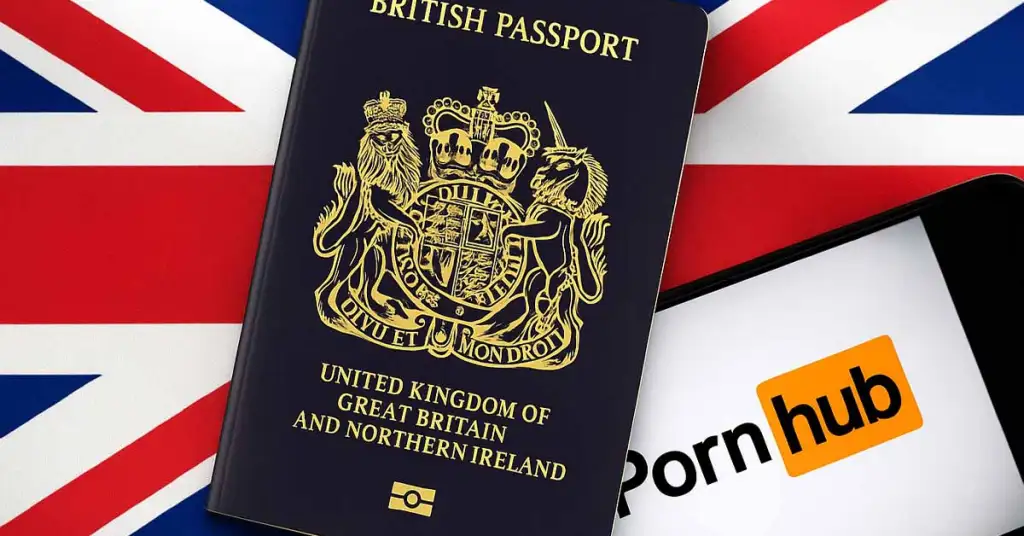
The Online Safety Act has introduced government-mandated age verification for adult websites in the United Kingdom. This change has affected web traffic, user behavior, and demand for privacy-focused tools. This article explains the facts behind the trend and why VPNs remain a legitimate and vital part of digital privacy.
1. Overview of the new rules
Starting in July 2025, adult websites operating in the UK must verify users’ ages using ID documents, bank cards, or facial recognition technology. The aim is to restrict access for minors-but the rules have had a visible impact on site traffic and user habits.
2. Market response
Following the rollout, major adult platforms saw a sharp drop in UK visits-and, at the same time, a surge in interest in VPNs and other privacy tools. VPN providers focused on user rights reported record registrations and traffic spikes from regions under the new restrictions.
3. Why VPNs matter more than ever
VPNs are about anonymity, privacy, and data security. When websites ask users to share IDs or sensitive personal data, people become far more aware of their digital exposure. A VPN encrypts your internet connection and hides your traffic source from third parties-ISPs, advertisers, and trackers. It’s a legal and effective way to stay in control of your online identity.
4. Parental control and responsibility
Keeping children safe online is first and foremost a parental responsibility. Modern browsers, operating systems, and routers already provide built-in parental controls-content filters, time limits, and activity reports. These allow families to manage children’s access without mandatory ID checks for every user. Protecting minors should rely on digital education and parental tools, not on mass data collection from adults.
5. What this means for the VPN market
- Growing demand for privacy: Users are increasingly aware of who collects their data and why.
- Transparency as a key factor: People prefer VPNs with no-logs policies and open infrastructures.
- Legitimate use: VPNs remain a lawful tool for personal security and online anonymity.
6. Balancing child protection and adult privacy
The real challenge is to find balance between protecting minors and respecting adults’ right to privacy. Platforms and parents should work together: platforms provide technical safeguards, while families use filters and teach digital responsibility. VPNs are part of that balance-helping adults keep control of their data and maintain private access to the open internet.
• The Guardian - UK traffic to popular porn sites slumps after age checks introduced
• TechRadar - VPN demand soars in the UK as age verification checks are enforced
• Wired - VPNs and age-verification laws: what you need to know
• Financial Times - UK porn site traffic plunges as age-verification rules take effect
• Independent - VPN interest spikes as users bypass new age checks for adult sites