In Russia a mobile operator now sells access to blocked services instead of a VPN
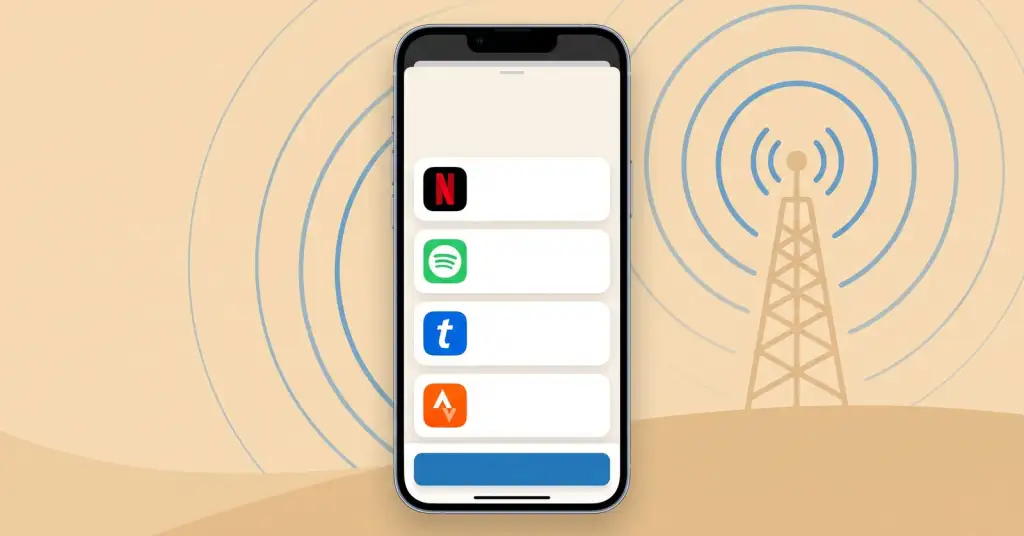
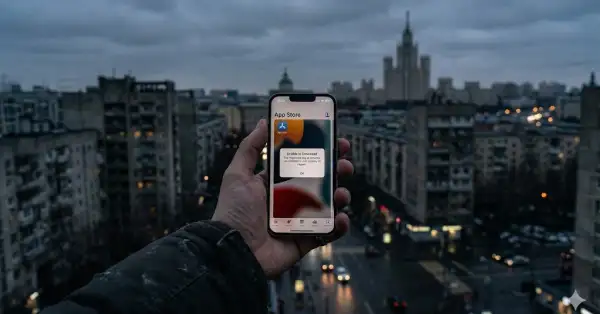
Russia's largest mobile operator has started selling what its customers used to get from a VPN. On 14 August MTS launched Global Access: a button inside its own app that opens Spotify, Netflix, Ticketmaster and Strava, services unavailable in the country, with subscriptions paid straight from the phone balance. The company calls the underlying technology its own, patented in 2025, and offers it on the two most expensive tariffs.
What the operator says it built
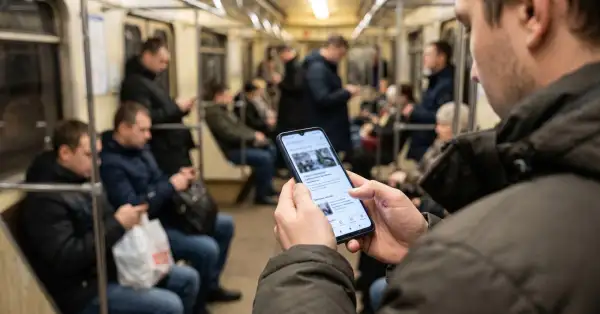
By the company's description, the user opens the operator's app, presses a button and lands on the foreign platform without installing anything: no third-party proxy, no VPN client. Payment for the subscription goes through the mobile account. The wording in the announcement is careful: the service is said to preserve access to platforms permitted by law whose availability in Russia was restricted.
That sentence is the whole story in miniature. A blocked service and a permitted service are, in this framing, not opposites. There is now a category of things you may use, but only through the right door.
Why this is not a VPN, even though it replaces one
The direction of trust is reversed
A VPN exists to take your traffic out of the operator's view: the provider sees an encrypted tunnel and nothing else. Here the operator is the channel. It knows which subscriber went to which platform and when, because that is how the feature works, and it carries the retention duties every Russian carrier carries. Payment through the phone bill closes the loop by tying the activity to a verified identity. As a way to watch a film this is convenient; as privacy it is the opposite of what a tunnel does.
What it changes in practice
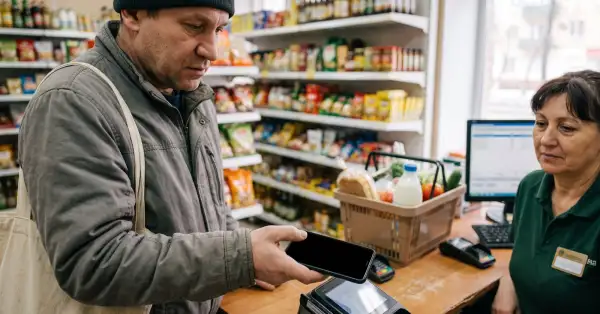
Access to the outside internet becomes a feature of a tariff plan, sold by the same industry that is required to filter it. The customer gets convenience and legality, which is not nothing: no unknown app, no card that does not work abroad, no risk of picking a fake VPN out of a store listing. The customer also gets a shorter list. Four services today, more promised later, but always a list chosen by someone else.
A rival operator did the same on home internet in March, so this is not a one-off idea but the shape of a market forming: the blocked internet resold in pieces by licensed intermediaries.
Open questions
Two things the announcement does not explain. How payments reach companies that left the Russian market, and who decides which services are eligible. Both answers matter more than the feature itself, because they define whether this is a technical product or a permission list with a payment page attached.