Meta tells US trade officials its AI now removes pirated sports streams in real time
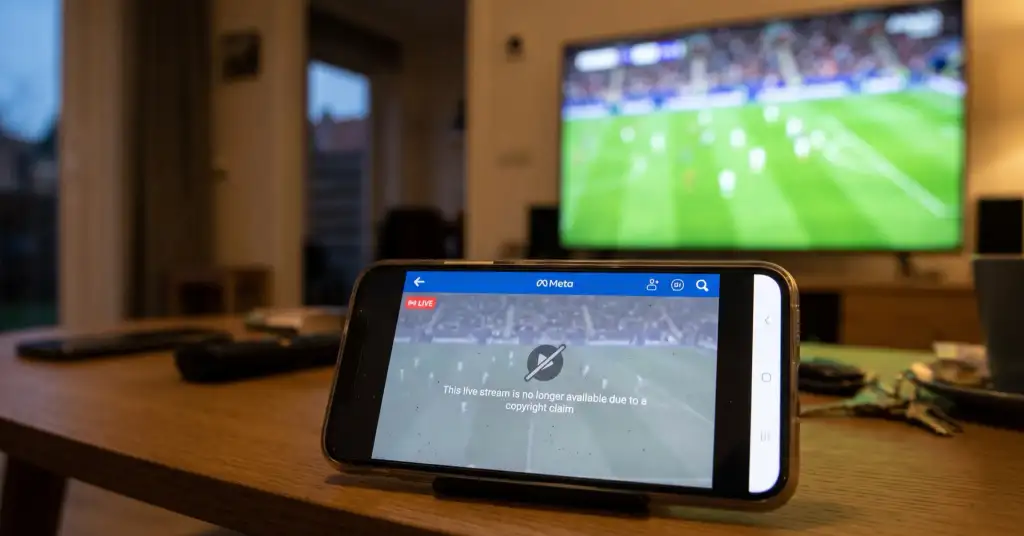
Meta has told the US government it now uses an AI tool that watches Facebook live streams and removes those it predicts are pirated professional sports broadcasts, in real time and without waiting for a complaint from the rights holder. The company described the tool in a filing to the Office of the US Trade Representative (USTR), TorrentFreak reported on 26 October.
The filing is Meta's rebuttal in the USTR's annual review of "notorious markets" for piracy and counterfeiting. Rights holders had named Meta in their submissions, and the company is arguing that it polices its own platforms well enough to stay off the list.
How Meta's AI piracy detector works
"In 2026, we built and launched an advanced AI enforcement tool that analyzes video content along with additional signals, to predict whether the content is an unauthorized stream of a professional sports broadcast," Meta writes. Based on that prediction, it says, it can remove the stream "before it gains a significant audience, and without a rights holder ever having to intervene."
Meta does not say what the "additional signals" are in this case. Elsewhere in the same section it lists the inputs of its proactive copyright systems: machine learning, large language models, an account's prior violations, keywords associated with piracy and information from rights holders. The filing gives no figures on how many streams the tool has removed, which sports it covers or how often it gets a call wrong. It also does not say how someone whose stream was taken down by mistake can appeal.
What changes for Facebook Live users
The detector works alongside restrictions that apply to every Facebook streamer, whatever they broadcast:
- New accounts: they cannot use Facebook Live at all.
- Parallel streams: most users can host only a limited number of live streams at the same time.
- After a block: an account whose live stream was blocked loses some features, so it cannot simply start a new stream.
- Delay: live content can be held back for a while so that the anti-piracy checks finish before the public sees it.
- Reach: live content that looks likely to infringe gets less distribution.
Meta also says most removals of posts promoting illegal streaming services and devices now happen proactively, before any report. People who search Facebook or Instagram for terms such as "firestick loaded" or "iptv free" see a warning pop-up about piracy.
Why Meta wants off the notorious markets list
Most of Meta's 24-page filing deals with counterfeit goods. Its legal argument is that the list exists to name foreign markets that the US government cannot reach, and that putting a US company on it is "unsupported by the statute." Meta calls the submissions about it misleading.
Other companies named by rights holders filed rebuttals as well. Cloud storage service Mega, flagged by the RIAA, admitted that "because of a technical error" its system for suspending repeat infringers did not fully work in the fourth quarter of 2024 and did not work at all in the first quarter of 2025. Cloudflare repeated last year's objection word for word: using the process "to pressure Cloudflare and other Internet infrastructure companies into taking actions neither expected nor required by U.S. law is both misguided and a misuse of this vital trade tool."
That pressure reaches beyond social networks. Rights holders increasingly use such lists against intermediaries: in the EU, LaLiga asked for four major VPN services to be put on the piracy watch list, and a tech coalition has warned against making VPNs block pirate sites. The USTR will review the submissions and rebuttals and is expected to publish its 2026 list early next year.