Google Play Drops MAX and VK: EU Sanctions Reach Russia's National Messenger
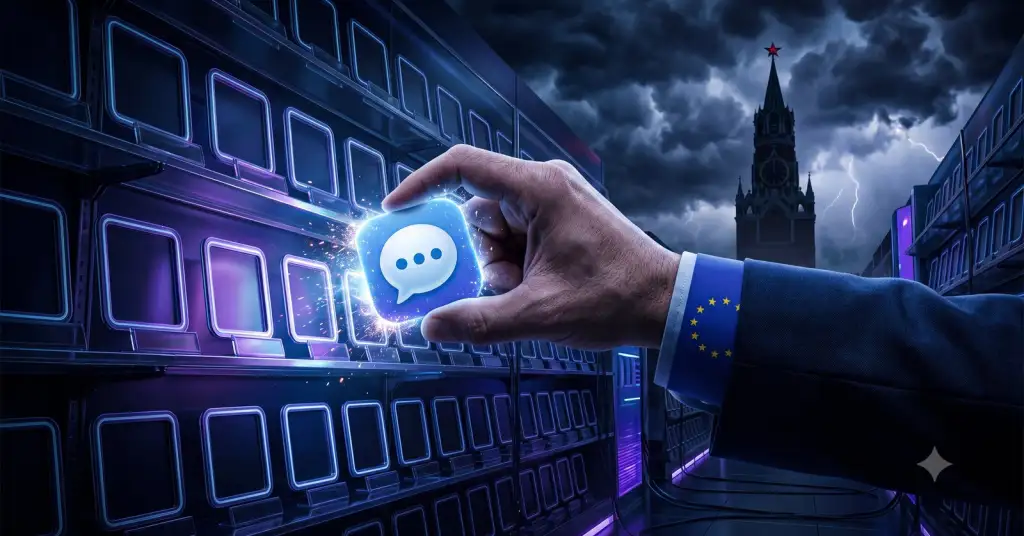
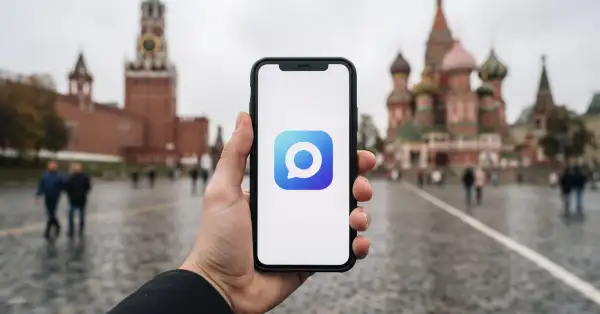
Google has removed the Russian state messenger MAX, the VK social network app and Odnoklassniki from Google Play worldwide. The takedown, confirmed on July 16, 2026, follows the European Union's newest sanctions package, which on July 13 hit VK and its subsidiary Communication Platform LLC - the legal operator of MAX. Google is repeating the move Apple made in June, when the App Store dropped MAX and then purged VK apps globally. On paper it is sanctions compliance. In reality it is a targeted strike on the Kremlin's flagship digital project - and it is worth unpacking why.
What exactly happened
On July 13 the EU added VK and Communication Platform LLC to its sanctions list. Three days later the MAX, VK and Odnoklassniki apps vanished from Google Play for users everywhere. Google, like Apple before it, made no public comment - but both companies' European entities are legally bound to comply with EU sanctions.
VK downplayed the impact: apps already installed keep working without restrictions, push notifications on Android continue, and the apps remain available in RuStore, Huawei AppGallery, Samsung Galaxy Store and Xiaomi GetApps. The company insists it has "never been subject to sanctions" and pointed to legal opinions it says Apple had reviewed - an argument that has now failed with both store owners.
Why the EU is aiming at a messenger
MAX is not an ordinary chat app. It is Russia's official "national messenger": by law it comes pre-installed on every new smartphone sold in the country, it is being wired into government services, schools and banking, and the authorities are steadily squeezing WhatsApp and Telegram to push people toward it. According to EU Council documentation, MAX operates under FSB oversight and carries extensive surveillance capabilities that have been used against users critical of Russia's war in Ukraine.
That is the answer to "why hit a messenger": from Brussels' perspective, sanctioning MAX is not about a consumer app but about the infrastructure of digital repression. The same logic the EU applies to surveillance-tech vendors now applies to a platform designed to make state monitoring the default for 140 million people.
Who actually feels the blow
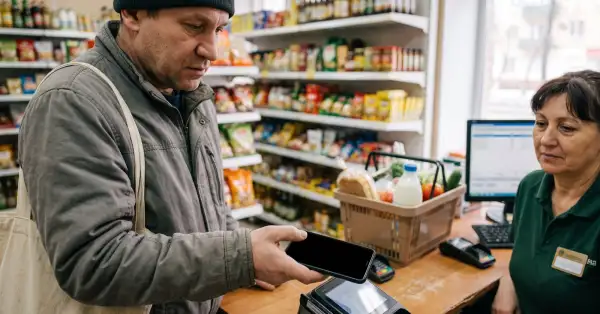
Inside Russia, the practical effect is close to zero - and that is the irony. MAX ships pre-installed, RuStore is mandatory on Russian devices, and VK's ecosystem does not depend on Google's storefront. The users who really lose access are Russian speakers abroad: the diaspora in Europe and elsewhere can no longer install or cleanly update these apps, and sideloaded APKs from random mirrors are a classic malware vector.
There is a second-order effect the Kremlin will not mind at all: every Western takedown pushes Russian users deeper into the isolated domestic ecosystem - RuStore, pre-installs, state-controlled updates. The sanctions are aimed at the surveillance machine, but they also accelerate the very digital sovereignty project that machine is built on. Both things are true at once, and honest analysis has to hold them together.
The bigger squeeze
The store purge lands on top of Russia's own escalating control stack. The state has spent heavily on TSPU filtering hardware as VPN downloads surged 14-fold, blocked Western platforms, and throttled the messengers people actually chose. MAX is the destination all of that pressure funnels into: a single app where identity, payments, government services and private conversations converge under state control. The EU's bet is that naming that system for what it is - and cutting it off from Western distribution - raises its cost and slows its normalization.
For users caught between the two systems - Russians abroad, families split across borders, anyone who needs VK to stay in touch - the practical takeaway is the usual one. Avoid random APK mirrors, prefer the web versions of VK services, and remember that in a world where both states and platforms decide what you can install, an encrypted VPN tunnel remains the baseline tool for reaching the services you choose - rather than the ones chosen for you.