UK Government Sets July 2026 Deadline for VPN Regulation: What It Means for Users

The UK government has moved from consultation to commitment. Technology Minister Liz Kendall confirmed in late June 2026 that the government will release a formal policy statement on VPN regulation in July 2026, alongside measures covering AI chatbot restrictions and social media night curfews for teenagers. It is the first explicit government pledge to publish binding guidance on VPNs in the United Kingdom - and it signals that the era of informal consultation is ending.
What Liz Kendall actually announced
Speaking at a digital policy briefing, Kendall named VPNs explicitly alongside AI assistant regulation and curfew-style restrictions on social media platforms for users under 16. The July publication will not itself be legislation - it is a policy document that sets out the government's intentions and the direction of future rulemaking. But policy documents from DSIT (the Department for Science, Innovation and Technology) routinely precede statutory instruments, and providers are expected to begin compliance planning based on the document's contents.
The timing is deliberate. The public consultation on VPN age-filtering requirements closed earlier this year, and the government is under pressure from child safety groups to act before the next school year. Publishing a framework in July creates a political signal even if implementing legislation takes longer.
What the regulation is likely to require
Based on the consultation documents and government briefings, the regulatory framework is expected to address three areas:
- Age-gating enforcement: VPN providers operating in the UK may be required to verify that users under 18 cannot use VPNs to access age-restricted content. This mirrors the approach taken with adult platforms under the Online Safety Act.
- Transparency requirements: Providers could face obligations to publish policy statements about their logging practices, jurisdiction of operation, and response protocols for lawful requests.
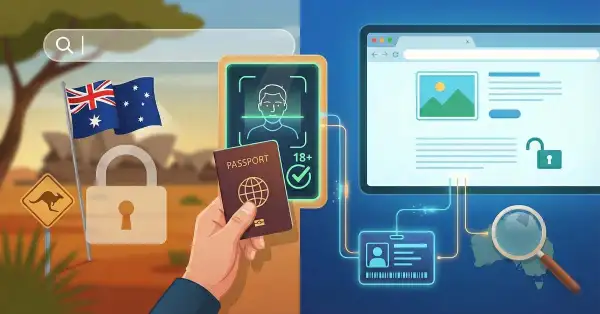
- App store pressure: Rather than directly regulating VPNs - which would require extraterritorial enforcement - the government may require Apple and Google to restrict or label VPN apps in UK app stores, similar to approaches considered in Australia.
How the UK got here
The House of Lords approved provisions restricting VPN use for children under 16 accessing social media earlier in 2026, providing the legislative foundation for what Kendall described. The Online Safety Act 2023, which created age verification requirements for adult content sites, opened the regulatory door - VPN circumvention was immediately identified as the primary enforcement gap.
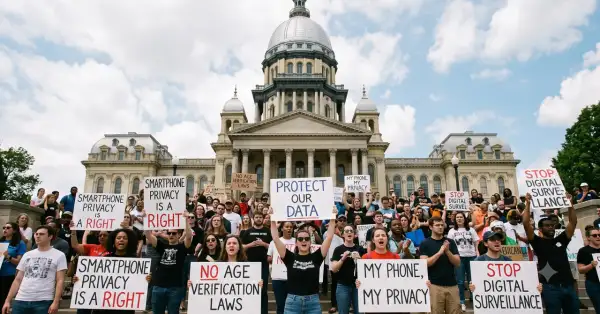
Signal has already called the UK's scanning demands for encrypted messages dangerous and warned they create infrastructure for surveillance repurposing. VPN regulation follows the same logic: the government wants tools to enforce age requirements that E2E encryption and traffic tunneling currently block.
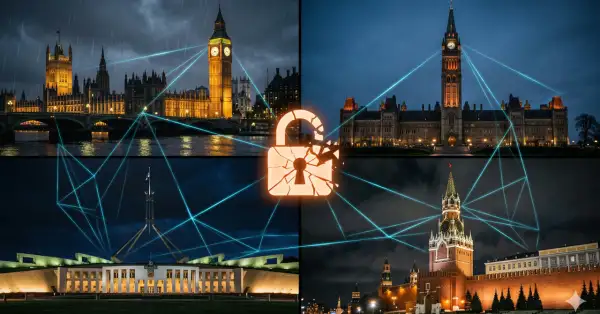
A comparison of encryption backdoor laws across Russia, the UK, Canada, and Australia shows the UK sitting mid-table: more willing to negotiate with privacy advocates than Russia, but clearly moving in the same structural direction as Australia's TOLA framework.
What this means for VPN users in the UK right now
The July document is a policy statement, not an enforcement order. VPN use remains fully legal for UK adults, and that is unlikely to change under the announced framework. However, several practical implications follow from what providers and users should anticipate:
- UK-based VPN providers may face registration requirements. If a regulatory framework requires providers to demonstrate compliance, informal operators without a legal entity will find the UK market increasingly difficult.
- App store availability may narrow. If the government pursues an app store route, some smaller VPN applications without resources for compliance could disappear from UK stores. This has already happened in China and Russia.
- No-log policies will matter more. In a regulatory environment where providers face lawful requests, the practical distinction between verified no-log providers and those with vague privacy policies will become more significant.
- Adults are not the target. Nothing in the announced framework suggests restrictions on adult VPN use. The regulatory intent is specifically about preventing minors from circumventing age-restricted content gates.
The wider pattern: VPN regulation is going mainstream
The UK is not acting alone. The EU's Chat Control proposal would effectively make message-scanning mandatory across encrypted apps. Australia has repeatedly debated mandatory backdoors. The common thread is governments discovering that end-to-end privacy tools - VPNs, E2E messaging, anonymous browsers - resist enforcement mechanisms designed for the pre-encryption web.
For users who rely on VPNs for privacy, remote work, or access to geo-restricted content, the UK's July document is a signal to watch - not a reason to panic. Regulation that requires age-verification for minors is politically achievable and technically plausible. An outright ban of VPN access for adults would face immediate legal challenge under Article 8 of the Human Rights Act (right to private life) and significant commercial opposition from the business community. The balance between child safety and adult privacy remains the central tension in everything that follows.