Russia Postpones VPN Traffic Surcharges Again - Billing System Not Ready Until October
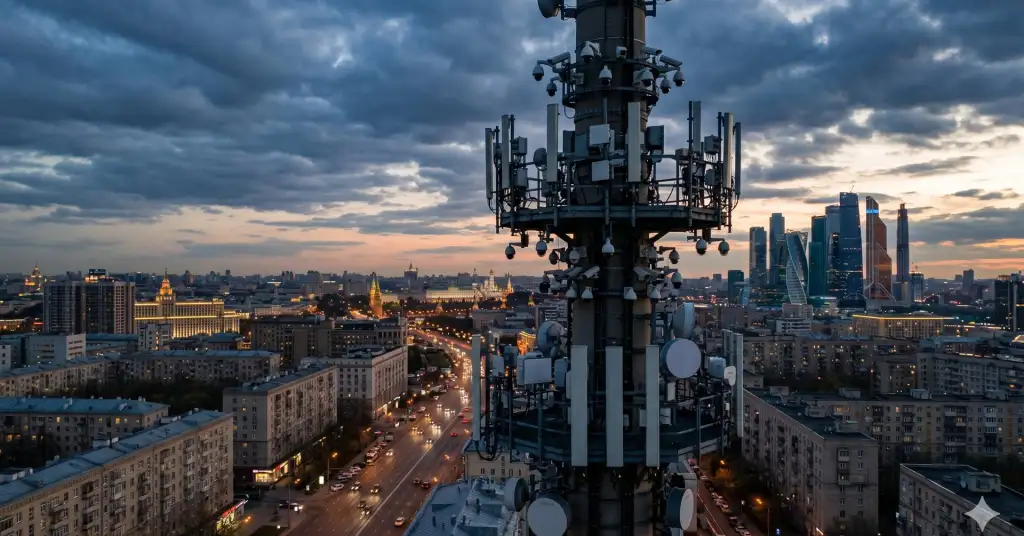
Russia has delayed its planned surcharges on VPN traffic for at least the second time, according to reports from Kommersant and RBC citing mobile operators. The billing system required to track the 15 GB monthly VPN traffic limit is not ready and needs an additional three to four months of development. The new earliest possible implementation date is October 2026 - after the September State Duma elections.
What the VPN Traffic Surcharge Was Supposed to Do
Russia's plan to surcharge VPN traffic emerged as part of the country's ongoing effort to control internet usage. Under the proposed scheme, mobile subscribers would receive a free monthly allowance of 15 GB of VPN traffic. Any usage beyond that threshold would be billed at additional rates, creating a financial disincentive for heavy VPN use without an outright ban.
The system was designed to be implemented by Russia's major mobile operators, who would need specialized billing infrastructure to identify, measure, and charge for VPN traffic separately from regular data usage. Identifying VPN traffic at scale requires deep packet inspection and dedicated accounting systems - a significant technical undertaking.
Why the System Is Not Ready
Operators told Kommersant and RBC that the billing infrastructure for VPN traffic accounting is simply not complete. Building a system that can reliably distinguish VPN traffic from other encrypted traffic, track it per subscriber, and apply differentiated billing at the scale of Russia's mobile networks requires substantial development time. The operators say they need another three to four months - pushing implementation past the September elections into October at the earliest.
This is not the first delay. Russia has repeatedly announced timelines for VPN restriction measures that have slipped due to technical and logistical challenges. Each postponement gives Russian users additional time before the measures take effect, though the direction of travel remains unchanged.
The Election Timing Factor
The timing of the delay - pushed past the September State Duma elections - has not gone unnoticed by observers. Internet freedom advocates note that introducing new restrictions on popular internet services immediately before elections carries political risk. Russians have shown significant appetite for VPN services following the blocking of major Western social media platforms, and a highly visible new restriction on VPN usage could generate negative public attention at a sensitive moment.
Whether the election timing is coincidental or deliberate is unclear, but the practical effect is the same: Russian VPN users receive another reprieve. Critically, however, this is a delay - not a cancellation. The underlying regulatory framework remains in place, and operators are expected to complete their billing infrastructure development within the stated timeframe.
Russia's Broader VPN Crackdown
The billing delay is one element of a larger campaign. Russia has already blocked hundreds of VPN services through Roskomnadzor, and the State Duma has been considering legislation that would create a whitelist of government-approved VPN providers - effectively criminalizing use of any service not on the list.
The 15 GB traffic limit and associated surcharges represent a different approach: making VPN use financially inconvenient rather than technically impossible. The combination of blocking unapproved services, creating financial disincentives for heavy use, and maintaining a registry of approved alternatives forms a layered strategy that avoids the technically challenging step of blocking all VPN traffic entirely.
What This Means for Russian VPN Users
The immediate practical implication is continued access to VPN traffic through at least October 2026. For the roughly 20-25% of Russian internet users who have turned to VPNs following social media blocks, this is a meaningful reprieve. However, the uncertainty underlines the importance of understanding that the regulatory environment is moving in one direction.
Choosing a VPN provider with infrastructure and jurisdiction outside Russia - and ideally one that has not already been blocked by Roskomnadzor - remains the most reliable approach for anyone depending on VPN access in Russia as the regulatory landscape continues to tighten.