Roblox Will Require a National ID to Play in the Philippines
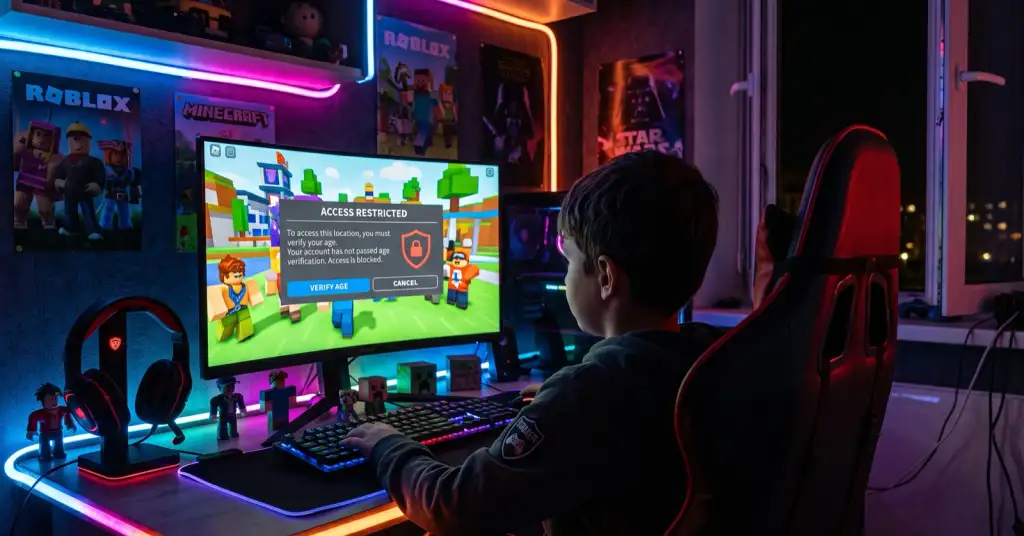
To keep playing Roblox in the Philippines, users will soon have to prove who they are with a government ID. Roblox has agreed to build the national PhilSys ID into its age verification, and the consequence for skipping the check is blunt: no chat and only a limited children's catalogue. The rollout could land as early as October. It is another country turning a game login into something tied to passport-grade identity.
What Roblox agreed to
The commitment came after Philippine officials, led by the Cybercrime Investigation and Coordinating Center, met Roblox executives in Singapore to discuss stronger safeguards against grooming and extremist recruitment. Roblox will integrate the Philippine Identification System into its existing age check, send a technical team in the first week of September, and aims to have it running by October. It also plans to open a Philippine office. The exact way PhilSys will plug into the system is not finalised, but the effect is clear: accounts that do not complete a check lose chat and face tighter limits on who they can talk to and which games they can reach.
The pattern: your ID becomes the ticket
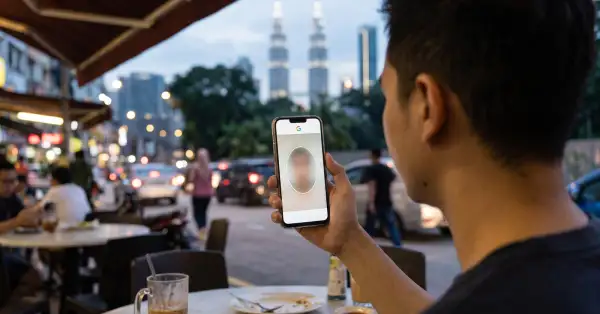
This is the same age-gate spreading across the world, only here the ticket is a national ID rather than a face scan or a card upload. More and more places now demand proof of age before you can chat, post or play, and we keep a running list of the countries that ban or gate social media for minors. The Philippines adds a sharper version of the idea: not just an age estimate, but a government identifier bound to the account, checked at the platform level.
Why an ID requirement carries a privacy cost
Handing a national ID, or a child's, to a game and to whatever vendor runs the verification creates a durable record that is far harder to walk back than a password. And those verification services are exactly the ones that keep getting breached: a recent tally counted 88 breaches at identity-verification providers, with real ID scans and selfies among the leaked data. The safety goal is real, but the mechanism quietly builds one more database of documents that cannot be reissued if it leaks.