New York bans AI chatbot toys for five years
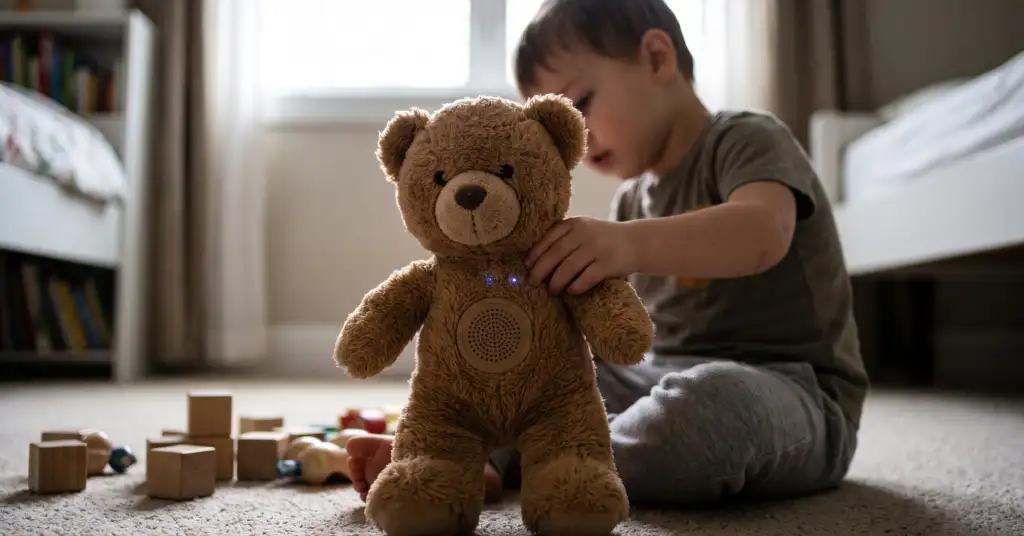
New York has banned toys with built-in AI chatbots for five years. Governor Kathy Hochul signed the law on 24 November, making New York the second US state after California to pause sales of such toys, as NBC News noted. The law stops the manufacture, distribution and sale in the state of talking stuffed animals, dolls and robots that use the internet to hold conversations with children. According to the governor's office, it takes effect 90 days after signing, so the toys stay on store shelves this holiday season.
What the New York law bans
The bill, S.9408A/A.11144B, was sponsored by State Senator Andrew Gounardes and Assemblymember Rebecca Kassay. Attorney General Letitia James will enforce it, with civil penalties of up to $15,000 a day for each violation. Hochul said chatbots "disguised as toys could expose their children to inappropriate conversations, manipulate their feelings or put their privacy at risk". Gounardes described the five years as a pause to study the toys' impact on children and write rules for them. FOX 5 New York notes that it is not yet clear how, or whether, the state will check toy stores.
At the signing, Hochul cited a Common Sense Media test of Miko 3, a small robot that dances, plays music and chats with children. When a researcher told it they liked jumping off high things, the robot suggested jumping out of a window or off the roof. The governor's office also refers to tests by a national consumer watchdog of chatbot toys sold for children aged 3 to 12. Some talked in depth about sexually explicit topics, told children where to find matches at home and acted upset when a child had to leave.
What AI toys collect about children
The consumer group U.S. PIRG tested four AI toys for its Trouble in Toyland 2025 report, including FoloToy's Kumma teddy bear, Curio's stuffed rocket Grok and Miko 3. To hold a conversation, the toys have to listen, and they do it in different ways. Kumma works on push-to-talk. Miko 3 waits for a wake word and keeps recording for 10 seconds after the child stops speaking. Curio's Grok listens all the time and once surprised the researchers by joining a nearby conversation. Kumma ran on OpenAI's GPT-4o by default.
The recordings leave the toy. Curio says it deletes audio right after turning it into text, but it uses a third-party speech-to-text service and keeps transcripts for 90 days. Its privacy policy names Kids Web Services, Azure Cognitive Services, OpenAI and Perplexity AI as companies that may collect or hold a child's personal information. Miko 3 can recognize faces, and Miko's privacy policy says it may keep biometric data for up to three years and share some information with advertising partners and others it does not name. PIRG found no privacy fine print at all from FoloToy, the maker of Kumma.
A voice recording is also raw material for scammers. PIRG notes that cloning a voice can take a three-second clip, and fake calls from a "kidnapped" child already use such clones.
California went first
California Governor Gavin Newsom signed SB 867 on 10 September, a four-year moratorium on AI chatbot toys for children under 16, written by State Senator Steve Padilla. He signed it the same day as a package of child online safety laws that included a ban on endless social media feeds for under-16s, CalMatters reported. According to the Transparency Coalition, Pennsylvania is considering a three-year pause under bill HB 2637. In October New York had already barred companies from offering minors chatbot features that build emotional dependency, encourage self-harm or lead to sexually explicit conversations.
What parents can do before the ban
Until late February the toys remain legal in New York, and in most other states the sale is not restricted at all. Hochul advised parents to check what information a toy collects and whether it allows open-ended conversation. Before buying, look in the privacy policy for how the toy listens (push-to-talk, wake word or always on), which companies receive the recordings and how long they are kept. If a toy is already at home, switch it off or unplug it when nobody is playing, and delete stored conversations in the companion app where the maker allows it. Common Sense Media's founder James P. Steyer was more direct: "stick to traditional toys".
• As Consumers Begin Their Holiday Shopping Season, Governor Hochul Signs Five-Year Ban on AI Chatbot Toys - Governor of New York
• New York governor Kathy Hochul signs AI toy ban into law - NBC News
• Hochul signs 5-year ban on AI chatbot toys in New York, warns holiday shoppers of 90-day delay - FOX 5 New York
• Trouble in Toyland 2025 - U.S. PIRG Education Fund
• Safety concerns lead California to halt chatbot toy sales, enact four-year moratorium - Transparency Coalition
• California enacts laws restricting chatbots, protecting kids online - CalMatters