FIFA confirms hackers stole personal and business data
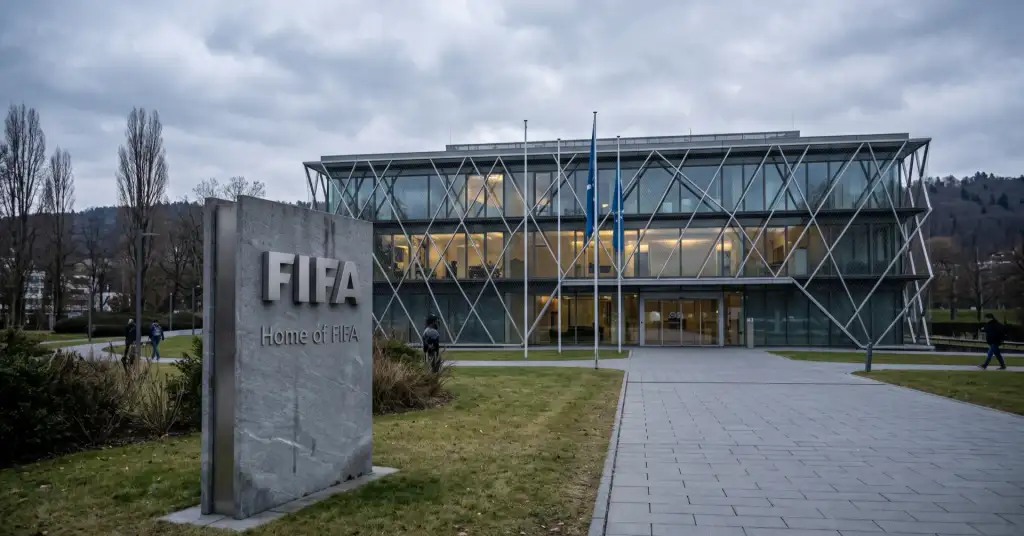
FIFA, football's world governing body based in Zurich, has confirmed a data breach. A spokesperson told The Record on 25 November that an unauthorised party accessed "a limited set of personal and business information". By then a hacking group calling itself Handsome Boy Hacking Club (HBHC) had already posted what it says is more than 12 GB of FIFA files on a cybercrime forum.
What FIFA has said
FIFA says it is "working closely with the relevant authorities, including law enforcement". It condemned the theft and publication of the information, especially personal data, as a "serious and unacceptable violation of privacy" that could have considerable consequences for those affected, 20 Minuten reports.
That is all FIFA has said. It did not answer follow-up questions from The Record about the nature of the incident and has not disclosed how the attackers got in, when the intrusion happened or how many people are affected. It has not said whether the data belongs to staff, partners, officials or someone else. FIFA employs around 700 people, according to the Swiss news site 20 Minuten.
What the hackers claim
Handsome Boy Hacking Club says it got into FIFA's Microsoft environment. According to the group, the leaked archive contains identity and immigration documents, financial records, legal documents and information on how FIFA is run. It says it tried to extort FIFA and published the files when that failed. No ransom amount has been reported.
None of this has been independently confirmed. FIFA has not commented on the size of the archive or what is in it. The group appeared only last week, and little is known about who is behind it.
Why leaked ID documents are a problem
A leaked password can be changed in a minute. A passport or residence permit scan stays valid for years. Fraudsters use such scans to pass identity checks at banks, crypto exchanges and online lenders, and to make phishing messages more convincing by quoting real personal details.
If you have ever sent identity or visa documents to FIFA, for example for accreditation or travel, a few steps make sense while FIFA stays silent:
- Treat FIFA emails with suspicion: messages about the breach, compensation or "identity verification" may be phishing. Check any claim through FIFA's official website, not through links in the message.
- Watch your financial accounts: look for unknown accounts, loans or credit checks in your name. Where your country allows it, a credit freeze blocks new loans.
- Ask about your document: if a passport scan is confirmed to be in the leak, ask your passport authority whether you can report it and get a new one.
Second football breach in a week
The FIFA leak comes days after LaLiga confirmed that a hacker stole fans' personal data from one of its fan platforms. In May, Dutch police arrested a 35-year-old suspected of breaking into Ajax Amsterdam's computer systems, 20 Minuten reports. Football bodies hold large amounts of personal data on fans, players and staff, which makes them an obvious target.