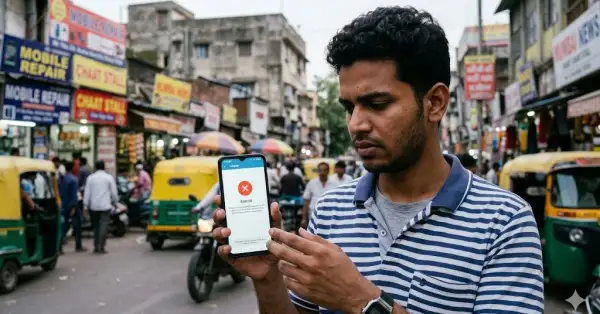
India Telegram Ban Exposes Millions to Predatory VPN App Ads
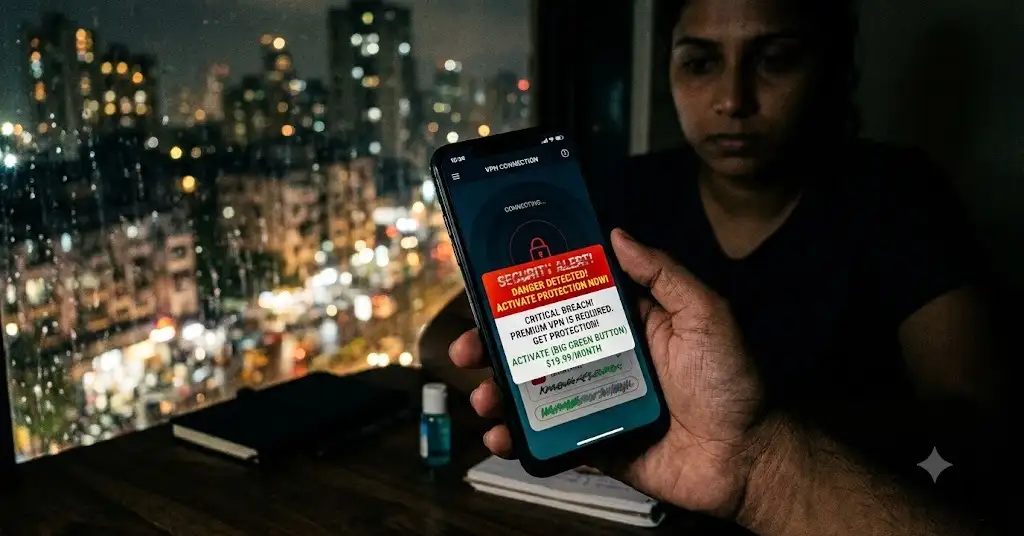
When India's government blocked Telegram in June 2026 as part of a broader crackdown on encrypted messaging, the surge in VPN downloads that followed exposed a secondary problem: millions of Indian users who turned to VPN apps to circumvent the ban were met with sexually explicit and predatory advertising inside the apps themselves. Digital rights organization Internet Freedom Foundation (IFF) documented VPN apps on both Google Play and third-party stores serving graphic sexual content, fraudulent investment scheme promotions, and targeted ads for escort services to users who had never seen such content before on their devices. The pattern is not new - but the India Telegram ban gave it a scale that forced the issue into mainstream coverage.
What Happened During the India Telegram Ban
India's Ministry of Electronics and Information Technology (MeitY) issued blocking orders for Telegram in June 2026, citing the platform's use by criminal networks for drug trafficking coordination, terror financing, and coordinated fraud. The order affected all major ISPs and resulted in Telegram becoming inaccessible to India's approximately 200 million users without a VPN or proxy.
The predictable result was a spike in VPN downloads. MediaNama and app analytics firm data.ai both recorded a multi-day surge that placed India among the top global markets for VPN downloads during the ban period. The majority of new downloads were first-time VPN users with no prior experience evaluating VPN software quality, privacy policies, or advertising practices.
IFF investigations found that a significant proportion of VPN apps surfacing in app store search results for queries like "VPN India" or "unblock Telegram" were low-quality apps with aggressive monetization models. These models typically involve selling advertising inventory to networks with minimal content restrictions, resulting in the display of adult content, predatory financial ads, and scam promotions to users who expected a neutral networking tool.
The Anatomy of VPN Ad Abuse
The mechanics of how free VPN apps end up serving exploitative advertising are not complicated. App developers acquire traffic through app store optimization or paid installs, then monetize through advertising networks that pay for impression volume rather than advertising quality. Premium advertising networks with meaningful content standards typically require minimum monthly active user counts and app quality thresholds that most low-quality VPN apps cannot meet.
The result: low-quality VPN apps disproportionately end up on advertising networks with lax or absent content review. These networks distribute advertising demand from sources that reputable networks refuse - adult content platforms, investment fraud operations, predatory lending schemes, and services designed to exploit financially vulnerable users.
During the India Telegram ban, this dynamic intersected with a user population that skewed toward first-time VPN users in a high-urgency context. Users downloading a VPN to restore messaging access were not conducting due diligence research. They downloaded what appeared first in search results, what had the highest download count, or what was recommended in WhatsApp group chains - all channels that low-quality apps can manipulate more easily than they can manipulate app store review or security researcher attention.
Why Government Bans Push Users Toward Riskier Apps
There is a documented pattern in how internet censorship events affect the VPN ecosystem. When a government blocks a popular service, demand for circumvention tools rises sharply in a compressed timeframe. Both legitimate privacy-focused VPN providers and app developers with no genuine commitment to privacy benefit from this surge - but the latter have a structural advantage in urgency-driven markets.
Citizen Lab's 2024 analysis of free VPN apps on Google Play found that government blocking events correlate with increased market share for low-quality VPN apps in the months that follow, precisely because the user acquisition conditions created by a ban favor apps optimized for install volume over user protection. The net effect: a government censorship action intended to protect users from criminal activity on Telegram instead redirected significant numbers of vulnerable users toward a category of app known for data harvesting, advertising abuse, and in some documented cases, traffic interception.
The Ad Content Problem Specifically
Documented cases from the India ban period included several distinct predatory advertising formats:
- Interstitial adult ads - sexually explicit content appearing between VPN connection attempts, targeting first-time users who had no prior exposure to this content on their devices
- Investment scam banners - ads for WhatsApp-based investment schemes promising guaranteed cryptocurrency returns, shown to users who had just expressed financial behavior (paying for VPN access)
- Push notifications for escort services - apps classified as VPNs in the Google Play store sending push notifications advertising local escort and dating services
- Adult rewarded video - apps requiring users to watch adult content from adult platforms as the in-app mechanism to unlock premium connection speeds
The advertising content problem exists separately from the privacy and security risks more commonly associated with low-quality VPN apps - traffic logging, DNS leak vulnerabilities, and selling browsing data to data brokers. Users experiencing unwanted adult advertising from their VPN app are almost certainly also experiencing these privacy violations, but the ad content problem is more immediately visible and has driven more user complaints and media attention than the underlying data practices.
Platform Responsibility and Current Gaps
Google Play's developer policies nominally prohibit apps that serve sexually explicit content to users who have not opted into adult content. The enforcement reality is inconsistent. App review processes that work reasonably well for apps with large install bases and established developer accounts are less effective at catching newly submitted apps optimized to accumulate installs before review catches up with them.
The Register and MediaNama both reported that consumer advocates responding to the India ban documentation have called for app stores to implement VPN-specific review categories that require disclosure of advertising network partners, data retention policies, and traffic handling practices as conditions of listing. No such requirements currently exist on either major mobile platform, and neither company has publicly committed to implementing them in response to the India case.