India Bans Telegram for One Week: Durov Calls It a Mistake
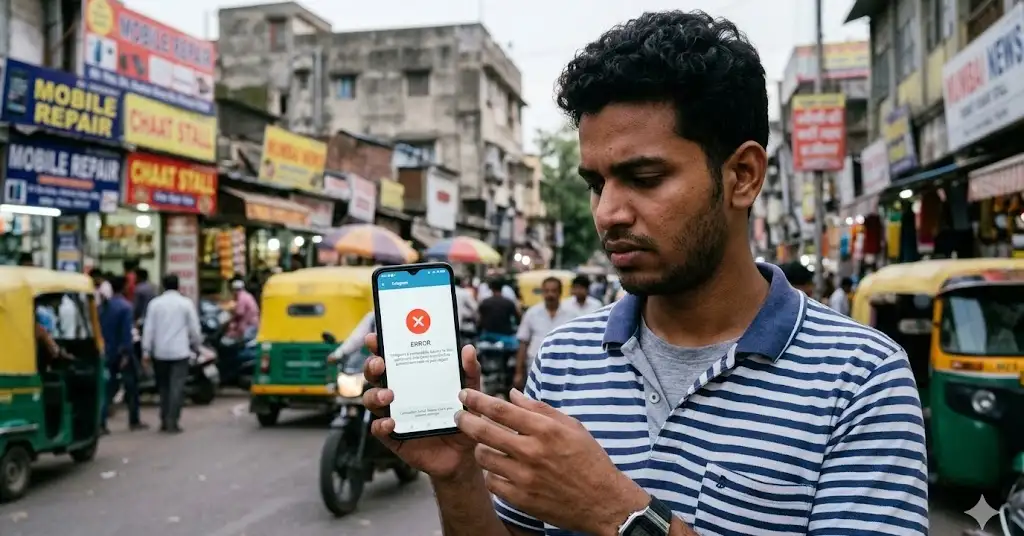
India's Ministry of Electronics and Information Technology (MeitY) imposed a one-week India Telegram ban, citing the platform's use by some users to share leaked examination questions. The move affected approximately 150 million Telegram users in India - one of the largest user bases in the world.
Telegram founder Pavel Durov responded, calling the ban a mistake and publishing a statement on his official channel.
How India's Exam Leaks Led to a Nationwide Ban
The leaked materials involved competitive examination questions - a long-standing problem in India's education system. Authorities chose to block the entire platform rather than targeting the specific channels responsible. Durov noted that the leaks simply moved to other applications, making the ban ineffective from the start.
What Telegram Actually Did
Telegram proactively removed hundreds of channels sharing leaked exam materials and scam content targeting Indian students. The platform also improved visibility of the "edited" message label to combat backdating scams, where bad actors modify old posts to make them appear current.
A Pattern of Platform Bans
India is not alone in using platform-wide blocks as a response to misuse. Telegram has been restricted in Russia (2018, later lifted), Iran, and China. In nearly every case, determined users migrated to mirrors or alternative apps within hours. Bans punish ordinary users while rarely stopping the targeted behavior.
The alternative - direct cooperation with platforms, targeted takedowns, and legal action against individuals responsible - is more effective and proportionate. Telegram had already removed the problematic content before the ban was imposed.
Protecting Your Access to Communication Tools
When platforms disappear overnight due to government action, a VPN can help users maintain access by routing traffic through servers in unrestricted regions. India's one-week ban is a reminder that digital access can be revoked faster than most people expect.