Durov: Russia's Internet Censorship Is a Win for NSA, Not Digital Sovereignty
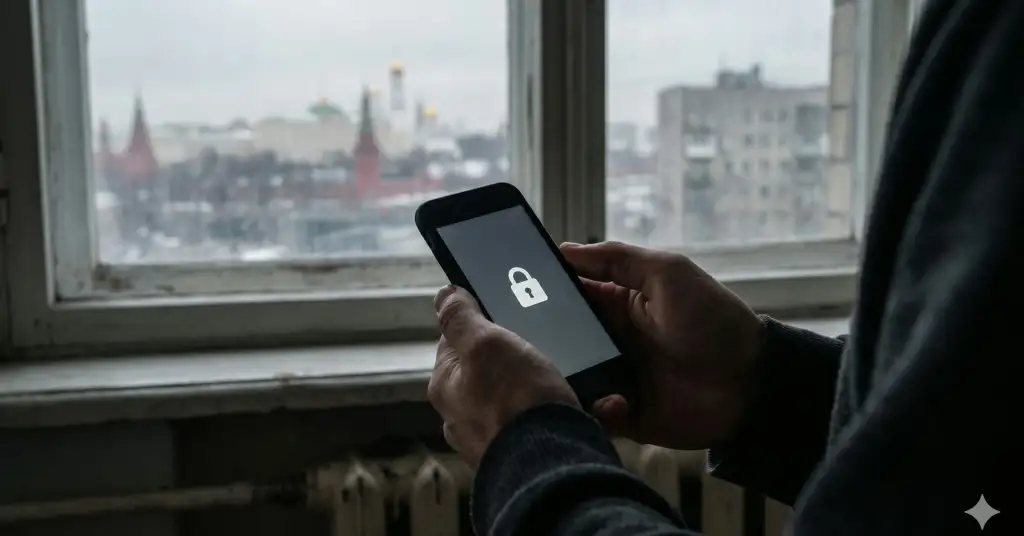
When Apple removed Russia's state-backed messaging app Max from the App Store on June 3, 2026, most observers framed it as a Western tech company pushing back against Kremlin surveillance software. Pavel Durov, Telegram's founder, offered a sharply different reading: the real winner was the United States, and the person who made it possible was the Russian official who ordered the internet blockades in the first place.
The Argument: Censorship as a Tool of American Surveillance
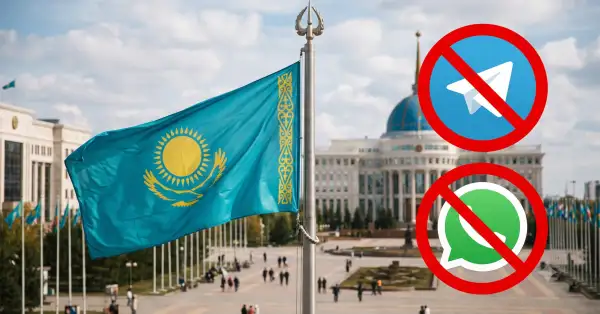
In a post on his Telegram channel, Durov laid out a direct causal chain. Russia's years of blocking foreign communications platforms - WhatsApp, Instagram, Facebook, and dozens of others - have forced Russian users off open, decentralized alternatives and onto a shrinking set of approved domestic apps. Those apps, without exception, run on iOS or Android. And iOS and Android, Durov argues, are not neutral infrastructure.
"Every app on a phone - 'homegrown' or not - is wide open to targeted surveillance and censorship from the U.S. through backdoors in iOS and Android and their app stores," Durov wrote. The implication is stark: by blocking independent platforms, Russian authorities did not achieve digital sovereignty. They handed Washington a surveillance lever over the Russian population that no amount of homegrown software can neutralize, as long as the underlying operating systems remain American.
The irony Durov highlights is structural. The Russian government's strategy of "sovereign internet" - replacing Western services with domestic alternatives - is self-defeating when those domestic alternatives are distributed through app stores controlled by Apple and Google, and run on hardware that executes operating system code from the same companies the strategy was meant to displace.
"A Medal - From the United States"
Durov was not subtle about where he places responsibility. The Russian official responsible for the internet blockade policy, he wrote, "deserves a National Security Medal - from the United States." It is a pointed formulation: the policy sold to the Russian public as protection from Western influence has, in Durov's analysis, functioned as the most effective vector for extending that influence deeper into Russian digital life.
The timing of the statement matters. Max - the app developed by VK and promoted by Russian authorities as the domestic replacement for blocked Western messengers - was pulled from the App Store the same week. Independent security researchers had previously documented surveillance capabilities built into Max: remote microphone access, contact harvesting, proxy detection, and silent message deletion. Apple offered no public explanation for the removal. The sequence - block Western apps, push users to a domestic alternative, watch that alternative get removed from American distribution - illustrated exactly the trap Durov was describing.
The Brain Drain Dimension
Beyond the surveillance argument, Durov raised a second systemic consequence of Russia's internet policy: the exit of the technical workforce needed to actually build the domestic alternatives the government keeps promising. The blocking of platforms and the general internet environment, he argued, have accelerated the departure of Russian IT developers - precisely the people who might otherwise build a genuine sovereign operating system rather than apps that simply run on top of American ones.
This creates a compounding problem. Without domestic OS development talent, Russia remains indefinitely dependent on iOS and Android. Without a domestic OS, any app - however "sovereign" its branding - inherits the security posture of American infrastructure. The censorship that was supposed to accelerate domestic tech development has, in Durov's telling, had the opposite effect by making Russia an unattractive operating environment for the engineers who might have changed it.
A Pattern Recognized Elsewhere
The dynamic Durov describes is not unique to Russia. Governments that block independent communications infrastructure and push users toward approved alternatives routinely find that "approved" means "centrally controllable" - and centralized control, once built, is available to whoever holds the keys, not just the government that built it. The same argument has been made about Iran's national intranet, China's app store requirements, and the UK's Online Safety Act provisions that require platform backdoors for law enforcement access.
What distinguishes the Russian case is the speed of the collapse. A country that spent years positioning itself as a cybersecurity power found, in the span of a few weeks, that its flagship sovereign messaging app was removed from both major Western app stores and that its population's digital communications now route through infrastructure it neither owns nor controls.
See Also
- Russia's VPN Blockade Backfires: How One Filter Took Down Banking
- Durov Threatens to Pull Telegram from France as Crypto Kidnapping Wave Escalates
- Durov on EU-UK Censorship Playbook: 'Protect the Children' as Cover
- Russia's Digital Double Bind: 40% of Blocked Services Are Now Russian
- Russia's Mass Crackdown on MTProto Proxies and Circumvention Tools