Pavel Durov Warns: “We Are Losing the Free Internet” - A Wake-Up Call for Digital Freedom

On his 41st birthday, Telegram founder Pavel Durov published a statement that resonated across the digital world. His post is not just a personal reflection — it’s a warning about the global erosion of Internet freedom.
1. The Message Behind Durov’s Words
Durov’s statement captures a growing global concern: the rapid decline of Internet freedom. What began as a space for open exchange is increasingly becoming a system of monitoring, censorship, and centralized control. Governments once claiming to defend democracy now implement surveillance policies once associated with authoritarian regimes.
2. Chat Control in the EU: From Child Protection to Mass Surveillance
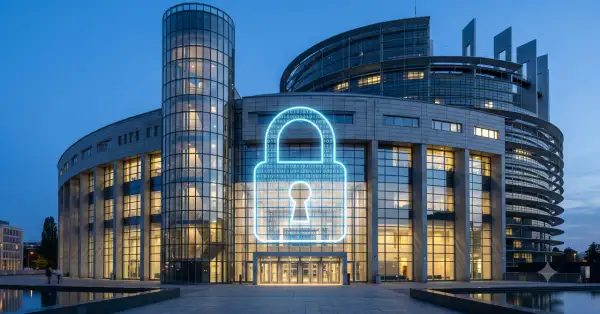
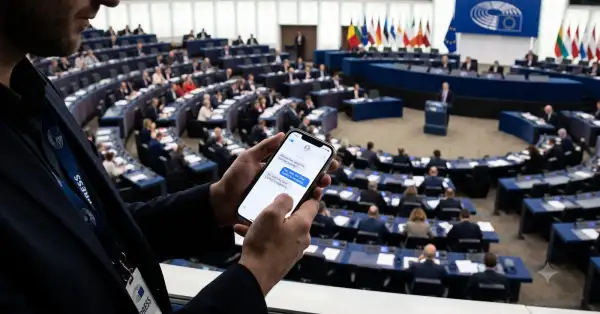
In the European Union, the proposed Chat Control regulation (officially CSAR — Regulation to Prevent and Combat Child Sexual Abuse) could make Durov’s fears a reality. Under this initiative, every private message and image could be scanned before encryption — including communications in end-to-end encrypted apps like Telegram, Signal, or WhatsApp.
What started as a plan to fight illegal content has evolved into a tool for preemptive digital surveillance. “Client-side scanning” means that your phone itself would analyze messages before you send them, potentially reporting “suspicious” content to authorities.
According to privacy experts and the Electronic Frontier Foundation (EFF), this destroys the principle of private communication and turns every citizen into a potential suspect.
3. VPN Bans and Global Censorship
While Europe discusses scanning all messages, other countries have gone even further. VPN services are banned or restricted in places such as China, Iran, Russia, and Belarus. These governments claim it’s for “security” — in reality, it’s about controlling information and limiting citizens’ ability to communicate freely.
In such countries, accessing independent news or simply expressing dissenting opinions online can lead to fines, arrests, or worse. VPNs — tools that once seemed optional — have become a lifeline for millions seeking unfiltered access to the global Internet.
4. Why VPNs Matter More Than Ever
Durov’s post underscores the importance of digital privacy as a human right. In a world of Chat Control, surveillance laws, and VPN bans, using a reliable VPN is no longer about “hiding” — it’s about protecting what remains of our freedom.
- Privacy: VPNs encrypt your Internet traffic, preventing ISPs, governments, and corporations from tracking your online behavior.
- Freedom: VPNs bypass censorship, letting you access websites and apps that are blocked in your country.
- Security: Encryption shields your data on public Wi-Fi and prevents interception or manipulation.
- Resistance: VPNs help counter intrusive measures like Chat Control and digital ID systems.
Using a VPN today is a peaceful, legal form of resistance — a personal decision to stay free in a digital world that’s becoming less so every day.
5. The Clock Is Ticking
When Durov says “We are running out of time,” he is not exaggerating. Every new regulation that weakens encryption, every new VPN restriction, every law that expands surveillance moves us closer to a future where the Internet is no longer free, but monitored by design.
VPNs, encryption, and decentralized technologies are not the enemy — they are the last line of defense between users and a system that increasingly sees privacy as a threat.