Russian State App MAX Caught Detecting VPNs and Logging Private Chats
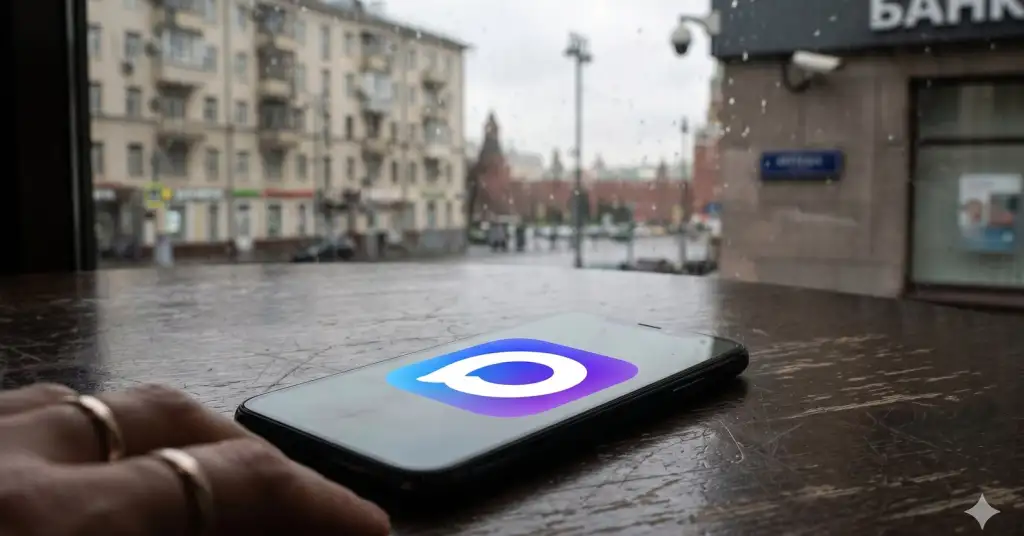
Russia's state-backed messaging app MAX has been confirmed to detect VPN connections and log private conversations, according to independent security researchers who published their findings on May 21, 2026. The MAX messenger VPN detection capability represents one of the most direct examples of state-sanctioned surveillance built into a consumer application, and it has raised urgent concerns among the estimated 40 million Russians who use VPNs to access uncensored information online.
What Security Researchers Found
Independent cybersecurity specialists subjected the MAX messenger to rigorous technical analysis, examining network traffic patterns, data transmission logs, and application behavior under various connectivity conditions. Their findings were damning: the app actively scans device network settings to identify VPN tunneling, transmits information about detected tunneling activity back to the app's servers, and stores message content without proper end-to-end encryption.
The researchers found that MAX does not simply fail to offer encryption - it appears to be architected in a way that allows message content to remain accessible at the server level. This is a significant architectural choice that distinguishes it from privacy-focused messengers like Signal or even WhatsApp, which implement genuine end-to-end encryption where server operators cannot read message content.
- VPN Detection: The app scans active network interfaces and identifies common VPN protocols including WireGuard, OpenVPN, and IPsec tunnels.
- Data Reporting: Information about detected VPN usage is transmitted to MAX servers, potentially flagging users to authorities.
- Message Storage: Conversations are stored in a format accessible to the server operator, making content available for government requests.
- Network Fingerprinting: The application collects detailed metadata about connection types that can be used to identify censorship circumvention activity.
How MAX Messenger VPN Detection Works in Practice
The technical mechanism behind MAX messenger VPN detection is relatively straightforward from an engineering perspective. When a user opens the app, it queries the operating system for active network interfaces. Standard VPN connections create virtual network adapters with identifiable characteristics - specific IP ranges, interface naming conventions, and routing table entries that differ from regular internet connections.
MAX then reports the presence of these VPN indicators through routine API calls that appear, on the surface, to be standard telemetry or performance optimization requests. By embedding the surveillance functionality within ordinary app behavior, the developers appear to have designed the system to operate without triggering obvious alerts in network monitoring tools.
Security researchers noted that this approach is more sophisticated than a simple IP blocklist - it allows the app to identify VPN users even when those users are connected to servers in countries that Russia has not explicitly blocked. The result is a persistent monitoring capability that could enable authorities to build profiles of which users regularly circumvent internet restrictions.
MAX Denies Surveillance Allegations
Representatives from the MAX development team issued a statement denying that the app conducts surveillance or systematically logs user communications. The company described the network checks as a necessary feature for optimizing voice and video call quality, arguing that understanding a user's connection type allows the app to adjust codec settings and bitrates appropriately.
The denial follows a pattern common to government-affiliated technology companies operating in authoritarian contexts: acknowledge that data collection exists, but characterize it as a benign technical requirement rather than a surveillance mechanism. Independent researchers dismissed this explanation, noting that legitimate call optimization does not require transmitting detailed VPN detection results to remote servers or storing unencrypted message content.
What This Means for Russian VPN Users
Russia has approximately 40 million active VPN users - one of the highest rates of VPN adoption in the world, driven by years of escalating internet censorship under Roskomnadzor, the country's telecommunications regulator. Since 2022, Russian authorities have blocked tens of thousands of websites, including major Western social media platforms, independent news outlets, and political opposition resources.
The confirmation that the app actively employs MAX messenger VPN detection algorithms means that users simultaneously running a VPN may be silently flagged in government databases. While researchers have not found direct evidence that this flagging has triggered immediate legal consequences, the mere existence of such a capability creates a chilling effect on free expression and access to uncensored information.
Privacy advocates note that the situation illustrates a broader pattern of surveillance infrastructure being embedded in state-affiliated software. Similar concerns have been raised about other domestic Russian technology platforms that have grown in prominence following the departure of Western tech companies from the Russian market after 2022.
For the millions of Russians who rely on VPNs to maintain access to the open internet, these findings serve as a reminder that the choice of communication tools matters - and that applications promoted by state actors may carry risks that are not disclosed in their privacy policies. Users concerned about their privacy increasingly look to VPNs as a foundational layer of protection, especially when using devices that may have state-affiliated apps installed.
The Broader Context of Digital Surveillance in Russia
The MAX messenger revelations come against a backdrop of increasingly sophisticated digital surveillance infrastructure in Russia. The TSPU (Technical Means of Countering Threats) system gives Roskomnadzor the ability to throttle, redirect, and block internet traffic at the infrastructure level. Combined with application-level monitoring tools like those found in MAX, Russian authorities have built a multi-layer surveillance architecture that operates both at the network and device level.
Cybersecurity experts warn that the combination of network-level censorship and application-level monitoring creates a comprehensive surveillance environment that is difficult to fully circumvent. Even users who successfully mask their VPN usage at the network level may be exposed through applications installed on their devices that report connection metadata independently.