Lithuania Centre of Registers Data Breach: 600,000 Records Stolen
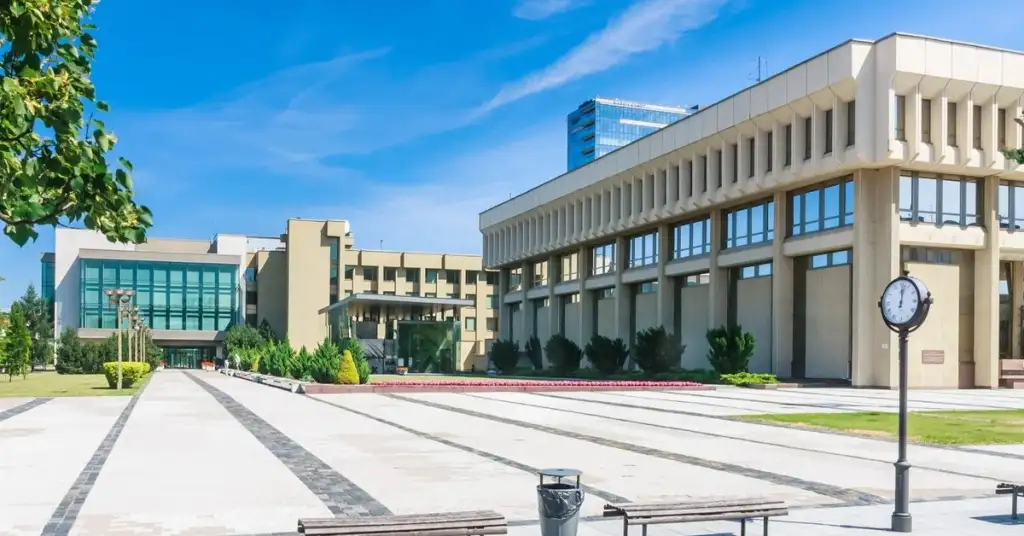
The Lithuania data breach affecting the country's Centre of Registers is one of the most serious state-level cyberattacks in European history. Hackers - suspected to be acting on behalf of a hostile foreign state - stole records belonging to approximately 600,000 Lithuanian citizens, equivalent to nearly one-fifth of the entire population. The breach came to light between May 25 and 27, 2026, exposing names, personal identification codes, dates of birth, and real estate ownership data - and may have compromised the addresses of intelligence and law enforcement personnel.
Lithuania Data Breach: What Was Stolen from the Centre of Registers
The Centre of Registers (Registrų centras) is a state enterprise that maintains Lithuania's core civil and property databases. It stores legally sensitive records for virtually every adult citizen: personal identification numbers (asmens kodas), property ownership history, addresses, and biographical data. The attackers extracted records for roughly 600,000 individuals - around 20% of Lithuania's population of 2.9 million - in what investigators are treating as a coordinated, state-sponsored operation.
Among the most alarming aspects of the breach is the potential exposure of personal data belonging to members of the State Security Department (VSD), police, and military intelligence. Officials warned that the stolen dataset likely includes home addresses and personal codes for people working in sensitive security roles, creating risks that extend well beyond ordinary identity theft.
How the Attack Was Possible: Stolen Migration Department Credentials
Initial forensic analysis revealed an unexpected attack vector: rather than directly breaching the Centre of Registers itself, attackers exploited valid login credentials belonging to Lithuania's Migration Department - an institution with authorized access to query the registers. The stolen credentials were then used from a foreign country to silently extract over 600,000 records over a period of weeks, beginning as early as April 2026. The breach was only made public in late May, after prosecutors concluded that disclosure would not jeopardize the criminal investigation.
The Centre of Registers director Adrijus Jusas later acknowledged years of chronic underinvestment in cybersecurity, noting that systems required up to 60 million euros in upgrades. Without robust geographic access controls or anomaly detection for unusual query volumes originating from abroad, the unauthorized data extraction went undetected for weeks. Authorities confirmed that contact details, phone numbers, email addresses, bank accounts, and payment information were not part of the stolen dataset.
Lithuania's President Blames Hostile States
Lithuanian President Gitanas Nauseda publicly attributed the attack to a "hostile state," a term that in the Baltic context is widely understood to refer to Russia. Lithuania has been one of the most outspoken critics of the Kremlin within the EU and NATO, and its state institutions have faced persistent cyber operations for years. The president's statement was unusually direct for a sitting head of state, reflecting the severity of the breach and its potential national security implications.
Director Adrijus Jusas resigned under pressure from Prime Minister Inga Ruginiene and Economy Minister Edvinas Griksas. Lithuanian authorities opened a criminal investigation, with prosecutors and the State Security Department coordinating the response. The government announced a comprehensive audit of 2FA implementation across all state institutions following the breach.
Why This Breach Is Different from Typical Data Leaks
Most large-scale data breaches target commercial entities - ISPs, retailers, hospitals - for financial gain. The Lithuania case is structurally different. The Centre of Registers holds authoritative, legally verified data that cannot be changed by individuals. A citizen cannot simply "change their personal code" the way they would reset a leaked password. The stolen identification numbers and birth dates remain valid and usable for fraudulent document applications, social engineering, and targeted harassment indefinitely.
The potential inclusion of security personnel addresses introduces a kinetic risk dimension: state adversaries with detailed home address records for intelligence officers can use that data for surveillance, blackmail, or worse. In the context of the ongoing conflict in Ukraine and Baltic security concerns, such data has a strategic value that goes far beyond the criminal black market.
Cases like this illustrate why security researchers increasingly recommend that individuals - and especially those working in sensitive professions - use VPNs and practice strict digital hygiene to limit the amount of personally identifiable data tied to their real identity and location online.