France's National ID Agency Hacked: Data of Up to 19 Million Citizens Up for Sale on Dark Web

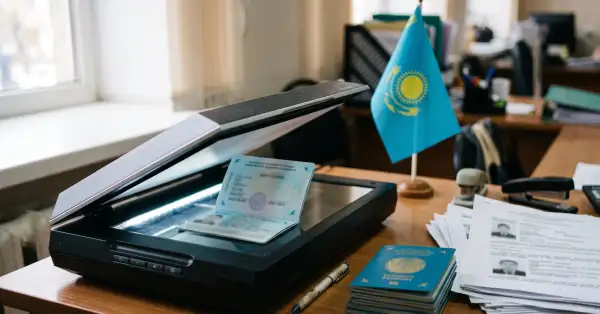
A major cyberattack on France's national identity agency ANTS (Agence Nationale des Titres Sécurisés) has exposed the personal data of millions of French citizens. The hacker known as 'breach3d' is actively selling a database containing records on up to 19 million people on dark web forums, after compromising the government portal ants.gouv.fr - the platform responsible for issuing passports, national ID cards, and driver's licenses across France.
What Is ANTS and Why This Breach Matters
The Agence Nationale des Titres Sécurisés is the French government body that manages the entire lifecycle of official identity documents for French citizens. The ants.gouv.fr portal is the primary interface through which millions of citizens apply for, renew, and manage their passports, national ID cards, and driving licenses. A breach of this system does not merely expose a commercial database - it compromises the very foundation of France's national identity infrastructure. For cybersecurity experts, an attack on a centralized government identity platform represents one of the highest-severity breaches possible, as the data it holds is permanent, highly sensitive, and impossible to simply "change" like a password.
The breach was first reported on April 15, 2026, when the hacker 'breach3d' appeared on cybercrime forums advertising the sale of a massive dataset. French authorities acknowledged the incident on April 21, 2026, confirming that at least 12 million passport holders had been directly affected. The hacker's claim of 19 million total records has not been fully refuted, suggesting the actual scope of the compromise may be significantly larger than officially confirmed.
What Data Was Stolen
According to samples shared by the hacker as proof of the breach, the stolen dataset includes full names, dates of birth, home addresses, and email addresses of French nationals. For the millions of citizens who used ants.gouv.fr to process passport applications, the breach may also include application metadata, document reference numbers, and associated family member data. This type of combined dataset - linking a person's full legal identity to their home address and email - is considered a "golden record" in the identity fraud industry, enabling targeted phishing attacks, account takeovers, and identity theft at scale.
Critically, this data cannot be remediated by the victims. Unlike a compromised password or a leaked credit card number, your date of birth, legal name, and home address are permanent attributes. This is precisely why breaches of government identity systems are categorically more dangerous than commercial data leaks. A French citizen affected by the ANTS breach will carry that exposure risk indefinitely.
The Centralization Problem: Why Government ID Databases Are High-Value Targets
The ANTS breach is a textbook illustration of the inherent security risk in centralizing national identity data in a single government-managed system. When a single portal manages the identity documents of an entire nation's population, it becomes an irresistible target for state-sponsored hackers and cybercriminal organizations alike. The aggregation of this data creates what security researchers call a "single point of catastrophic failure" - one successful intrusion yields records on tens of millions of people simultaneously.
This reality adds a critical dimension to ongoing debates about digital identity systems. As governments across Europe and North America accelerate the adoption of mobile driver's licenses (mDLs) and national digital ID frameworks, the question of data centralization is paramount. The ANTS incident demonstrates that even well-funded government agencies with dedicated security teams are not immune to catastrophic breaches. Any digital identity system that creates or maintains a large centralized database of citizen records will, by its very nature, become a high-priority target.
What French Citizens Should Do Now
French nationals who have used ants.gouv.fr at any point to renew or apply for an identity document should assume their personal data may be in the hands of criminal actors. The immediate recommended steps are: enable two-factor authentication on all online accounts, particularly those linked to the same email address used for government services; be highly vigilant about phishing emails that may use your full name and address to appear legitimate; and monitor credit bureau reports for signs of identity fraud.
From a digital privacy perspective, using a reliable VPN on your daily internet connection protects your browsing data and prevents your ISP from building a profile of your online activity, but it cannot undo data already held in a government database. The ANTS breach is a reminder that protecting your privacy requires a layered approach: encrypting your network traffic matters, but so does the security posture of every institution that holds your data.
Related Coverage on vpnlab.io
- ACLU and 80+ Organizations Oppose Surveillance in Digital IDs
- Google Silently Handed Activist's Bank Data to ICE
- Apple Builds UK Age Verification Into iOS 26.4