USA: 10 Years of Social Media, Email, and Phones for Entry? Project Under Discussion
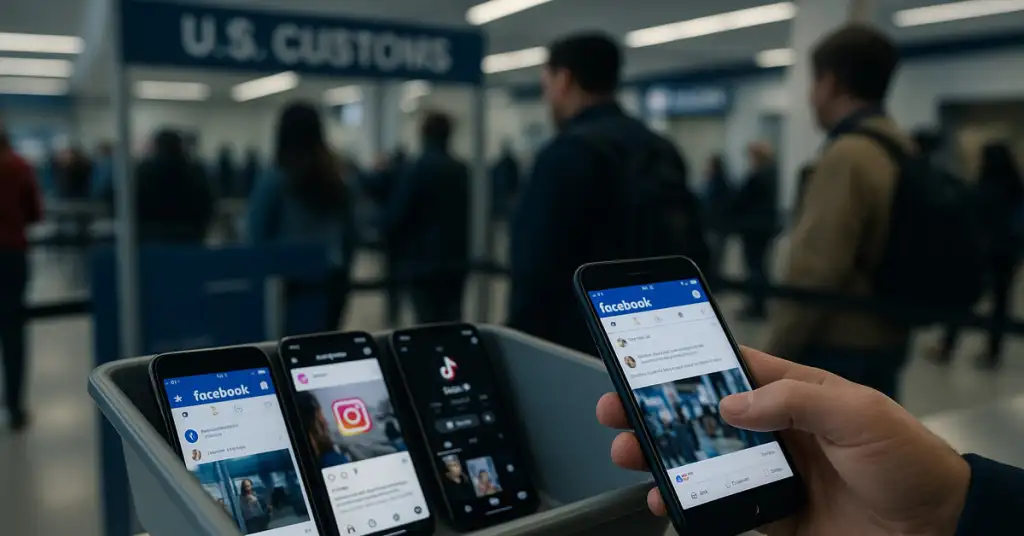
U.S. Customs and Border Protection (CBP), part of the Department of Homeland Security (DHS), has introduced a large-scale project to expand the collection of personal and digital data from foreign nationals. The new requirements will primarily affect tourists and business travelers from countries in the Visa Waiver Program (VWP) who apply for the electronic authorization ESTA.
This proposal, published in the Federal Register in December 2025, has caused widespread controversy because it significantly increases the volume of information requested from citizens of allied countries. Below is an analysis of the project's key points and its current legal status.
1. Legal Status and Key Documents
- Legal Status: Proposed Rulemaking, currently in the Public Comment Period.
- Initiating Authority: U.S. Customs and Border Protection (CBP) / Department of Homeland Security (DHS).
- Publication: The Notice of Proposed Information Collection was published in the Federal Register in December 2025.
- Timeline: A 60-day period for collecting public comments began after publication, after which CBP will decide whether to adopt the rules, modify them, or abandon them.
2. What Specific Data is Planned for Collection (ESTA/VWP)
According to the CBP proposal, the following categories of data are planned to be made mandatory or additionally requested within the ESTA application:
- Social Media History: All usernames (logins, handles) on any social platforms used by the applicant over the last **five years**. This point will become mandatory for the first time.
- Email History: All personal and work email addresses used by the applicant over the last **ten years**.
- Phone Numbers: All personal and work phone numbers used by the applicant over the last **five years**.
- Family Data: Detailed information about immediate relatives (parents, spouses, siblings, children), including their names, dates and places of birth, places of residence, and phone numbers.
- Biometric Data: Submission of an obligatory “selfie” will be required when applying through the mobile application (which is planned to become the only way to apply). Other biometric data (fingerprints, iris scans, DNA) may be requested in the future.
3. Who is Affected and How
- Primary Group: Citizens of 42 countries participating in the Visa Waiver Program (VWP) who apply through the ESTA system. This mainly includes European countries, as well as Australia, New Zealand, South Korea, Japan, and other US allies.
- Other Visa Categories (Current Rules): The requirement to disclose social media logins for the last five years is already in effect for **nearly all categories of immigrant and non-immigrant visas** (e.g., B1/B2 tourist visa, H-1B work visas, F-1 student visas). This requirement was introduced by the U.S. Department of State (DOS) in 2019.
- Absence of Account: CBP has confirmed that if an applicant **does not have a social media account**, it will not be considered a negative factor or grounds for refusal. The applicant must honestly state the absence of an account.
• Fragomen - CBP Plans Changes to the ESTA Application Process, Including Social Media Review (December 09, 2025)
• Washington Post - U.S. planning to ask visitors to disclose 5 years of social media history (December 10, 2025)
• Indian Express / CBS News - Visitors from 42 countries may soon have to submit 5 years of social media history to enter U.S. (December 10, 2025)
• Times of India - That 2022 tweet criticizing Washington may not age well if you want to visit U.S. (December 10, 2025)
• Vedomosti / The New York Times - The U.S. wants to check foreigners' social media before entry (December 10, 2025)