Trump Mobile Data Breach: 27,000 Pre-Order Customers Exposed
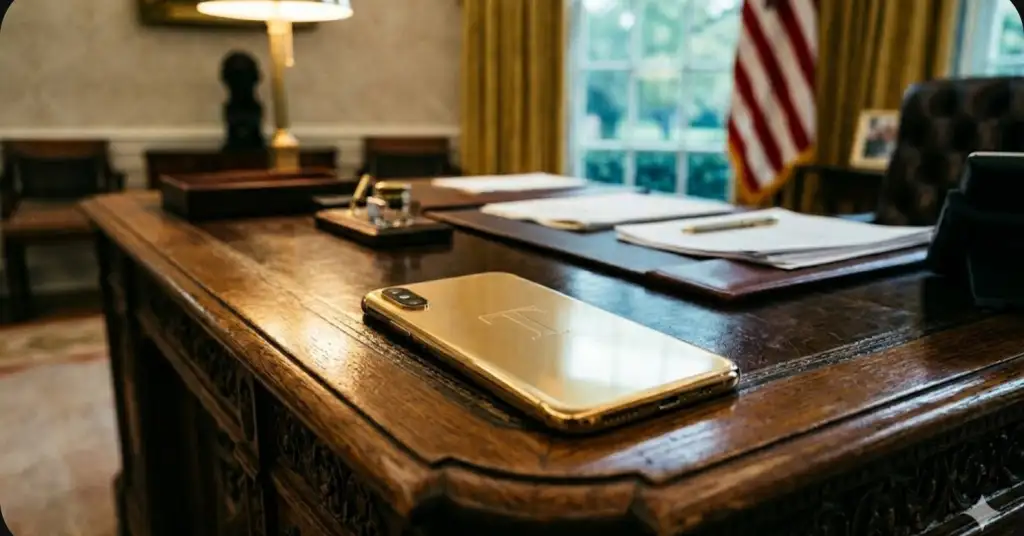
A Trump Mobile data breach has confirmed what many privacy advocates suspected: even brands built on "patriotic security" can suffer elementary data exposure failures. Trump Mobile, the company behind the T1 smartphone marketed to conservative consumers, has confirmed that personal data belonging to approximately 27,000 pre-order customers was left publicly accessible online - exposed by a trivially simple exploit that required no advanced hacking skills.
What Was Exposed and How
The breach was not the result of a sophisticated cyberattack. According to TechCrunch's investigation, the customer data was accessible through a basic vulnerability in the company's web infrastructure - the kind of security oversight that should be caught in routine security testing. The exposed records included customers' full names, physical addresses, phone numbers, and email addresses.
The data belonged to consumers who had placed pre-orders for the T1 phone, Trump Mobile's flagship device. These buyers had trusted the company with their personal information as paying customers, making the exposure a particularly serious breach of consumer trust.
The incident underscores a persistent problem in the tech industry: marketing claims about security and privacy do not correlate with actual security practices. Trump Mobile had positioned its product partly on themes of American values and conservative identity, yet basic data protection disciplines appear to have been neglected.
The Order Numbers Controversy
The investigation uncovered a secondary story that may prove equally damaging to Trump Mobile's credibility. The company had publicly claimed to have received approximately 590,000 pre-orders for the T1 device - a figure used to demonstrate the phone's popularity and commercial viability.
The actual data exposed in the breach tells a different story. The records show only around 30,000 real orders - roughly 5% of the claimed figure. If accurate, this represents a discrepancy of approximately 560,000 orders, calling into question whether the company's public claims about demand were accurate or significantly inflated.
Trump Mobile has not directly addressed the order count discrepancy. The gap between 30,000 actual orders and 590,000 claimed pre-orders represents a stark contrast that independent analysts will need to examine further before drawing conclusions.
The Broader Context: "Patriotic" Tech and Privacy
Trump Mobile entered a crowded market of politically branded consumer technology products that have emerged in recent years. These products typically promise an alternative to what their target audience perceives as politically biased Silicon Valley giants, positioning themselves on values like American manufacturing, conservative principles, or resistance to government surveillance.
The irony of a "security-conscious" or values-driven brand suffering a basic data exposure is not lost on privacy advocates. Marketing a product on patriotic themes or implied trustworthiness creates expectations that technical security standards must meet. When those standards fall short, the brand damage extends beyond a typical corporate data breach - it strikes directly at the product's core value proposition.
This pattern is not unique to Trump Mobile. Several politically branded tech ventures have faced scrutiny over the gap between their marketing language and actual data protection practices. Consumers drawn to these products based on trust claims deserve the same - or higher - security standards as any mainstream tech company.
What Affected Customers Should Do
Anyone who placed a pre-order for the Trump Mobile T1 phone should take the following precautions given the confirmed exposure of names, addresses, phone numbers, and email addresses:
- Monitor for phishing: Expect increased phishing attempts via email and SMS targeting the exposed contact information.
- Watch for spam and robocalls: Your phone number and email may now be in the hands of data brokers or malicious actors who scrape exposed databases.
- Change passwords: If you used the same email and password combination on Trump Mobile as on other services, change those passwords immediately.
- Enable two-factor authentication: On any account associated with the exposed email address, activate 2FA where available.
- Be alert to targeted scams: Attackers may use the physical address data for targeted mail fraud or to add credibility to phone scams.
Data Breaches and the Privacy Paradox
The Trump Mobile incident is a reminder that no brand identity - regardless of its political messaging or promises of trustworthiness - substitutes for competent data security engineering. Consumers frequently assume that companies that emphasize trust, patriotism, or alternative values have made extra efforts to protect user data. In practice, brand marketing and data security are entirely separate disciplines.
For privacy-conscious consumers, the safest approach is to treat every online service - regardless of its brand values - as a potential data exposure risk. Using unique email addresses per service, minimizing the personal data you share with any company, and assuming your contact information will eventually leak are practical starting points.
The use of a VPN will not prevent a company you've shared data with from improperly exposing it - that failure happens on their servers, not in your network traffic. But limiting how much personal information you provide to services in the first place, and monitoring your digital footprint, remains your best defense against the inevitable stream of data breaches.