Indonesia Bans Social Media for Children Under 16: TikTok, YouTube and Roblox Face Blocking
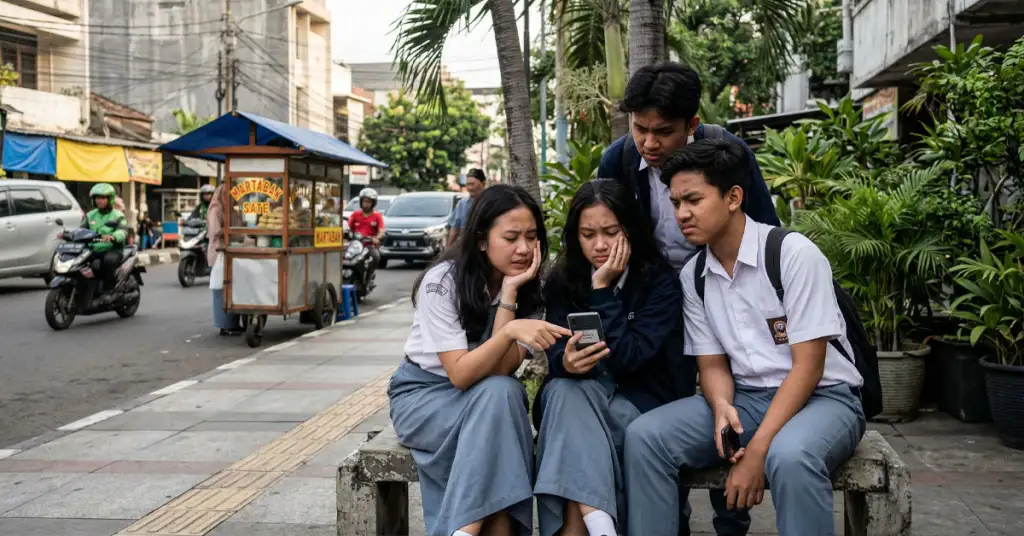
On March 28, 2026, the digital landscape of Southeast Asia underwent dramatic changes: the Indonesian government officially enacted one of the world's strictest internet regulations. Under the newly adopted Regulation No. 9 of 2026, access to social media was strictly prohibited for children under 16. This sweeping decree affected approximately 72 million young citizens, effectively cutting them off from global platforms such as TikTok, YouTube, and X (formerly Twitter). As the Ministry of Communication and Information Technology (Kominfo) began real-time blocking, demand for a reliable VPN for Indonesia reached unprecedented levels - families and digital rights advocates scrambling to adapt to a new era of "digital guardianship."
What the Law Says: Regulation No. 9
The heart of the controversy lies in the details of Regulation No. 9 - a legislative act designed to "protect the moral and psychological development of youth." The law requires all "electronic system providers" to implement a robust age verification mechanism that cross-checks user data against the national identity database (NIK). For those under 16, access to platforms classified as "interactive social networks" is now not merely restricted - it is legally impossible.
Non-compliance carries severe penalties for tech giants. Companies that allow users under 16 to bypass filters face fines of up to 5 billion rupiah per violation, or the ultimate sanction - a complete block of their service across Indonesia. The regulation also introduces a "digital curfew" component, under which even verified users under 18 may face restricted access between 9 PM and 5 AM.
Platform Impact: Roblox, YouTube and TikTok
The impact on specific platforms was immediate and stark. Roblox, a vast ecosystem for young creators in Indonesia, recorded a nearly 40% drop in its active user base within the first 24 hours after the ban took effect. YouTube was forced to disable the Shorts feature for any accounts that had not completed biometric age scanning.
TikTok, which considers Indonesia one of its most lucrative markets, found itself in a particularly difficult position. From March 28, TikTok is required to display a "State Verification" badge on all active accounts. X (Twitter) experienced a traffic drop after the platform refused to fully integrate with Indonesia's national identification system.
The Compliance Challenge
- Biometric integration: Platforms are required to request a facial scan to confirm that the person in front of the screen matches the registered identity document.
- Data localization: All verification data for Indonesian minors must be stored on local servers.
- Parental liability: Regulation No. 9 also places legal responsibility on parents, who can be prosecuted if they help their children circumvent age restrictions.
Surge in VPN Demand Across Indonesia
The enforcement of Regulation No. 9 has triggered a massive spike in VPN usage across the archipelago. Within 48 hours, major VPN providers reported a 300% increase in traffic from Jakarta, Surabaya, and Bandung. Users are seeking advanced features - obfuscation and Stealth protocols - to bypass the sophisticated DPI filters employed by local ISPs.
Searching for the "best VPN for Indonesia" has become a mass necessity for families who believe the government has overstepped its authority. However, this surge comes with risks: many users are turning to unverified "free" services from third-party sites that may actually be data-harvesting tools.
A Global Trend in Age Verification
Indonesia is not an isolated case in 2026. Australia has refined its digital identity laws, and several US states are facing legal battles over similar mandates. The "Indonesia social media ban" is being watched by regulators worldwide as a test case for how far a government can go in controlling the digital habits of its youth.
Critics argue that such laws create a two-tier internet: those with the technical knowledge to use a VPN continue to access the open web, while the general population is herded into a tightly controlled version of the internet.
Related: the EU has charged TikTok under the DSA over minors' accounts.