France Bans Social Media for Under-15s: How the New Law Impacts Anonymity and VPNs

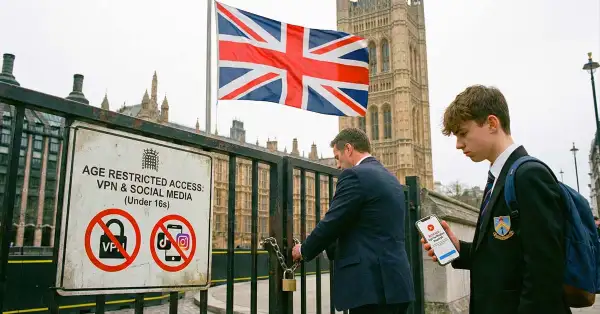
Following in the footsteps of Australia and the UK, France is cracking down on uncontrolled internet usage. On January 26, 2026, the National Assembly (the lower house of parliament) overwhelmingly approved a bill banning access to social media for children under 15. For the cybersecurity industry and the VPN market, this decision sets a new precedent: the state intends to implement technologies that make simple blocking evasion via IP address changes much more difficult.
1. The Essence of the Ban: «Our Children's Brains Are Not for Sale»
The bill, supported by 130 deputies (with only 21 voting against), establishes a strict age cutoff of 15 years. Before this age, registration on TikTok, Instagram, or Snapchat will be impossible without special verification. President Emmanuel Macron stated the position quite starkly: «Our children's brains are not for sale to American platforms or Chinese networks.»
Furthermore, the ban on smartphone use is expanding. While it previously applied only to collèges (middle school), starting September 2026, smartphones will also be banned in lycées (high school), effectively creating «gadget-free zones» for teenagers under 18.
2. The Role of VPNs: The End of Simple Geolocation Switching?
For VPN service users, the French case is interesting due to its technical solution for circumvention. Usually, when a country blocks a resource, users simply turn on a VPN, change their location to a neighboring country, and continue using the service. France understands this vulnerability.
Instead of simple IP blocking (which a VPN bypasses in a second), the law requires the implementation of an age verification system at the platform level itself. This means that even if a French teenager turns on a VPN via a server in Germany, the social network will still be obliged to request age confirmation.
- Threat to Anonymity: For this law to work, platforms must know exactly who is sitting on the other side of the screen, which contradicts the very essence of an anonymous internet.
- Risk for VPN Providers: If teenagers start mass-using VPNs to bypass parental control, the next step for regulators (as seen in the UK example) could be a requirement for age verification for VPN services themselves.
3. Technical Revolution: «Double Anonymity»
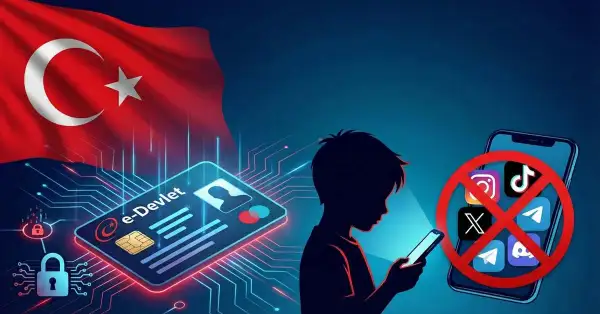
The main question is how to verify age without requiring a passport scan (which is dangerous for privacy)? France is betting on «double anonymity» (double anonymat) technology, developed with the participation of CNIL (National Commission on Informatics and Liberty).
The scheme looks like this: a trusted third party confirms that the user is over 15 and issues an encrypted token. The social network receives only this token («Yes, they are 15») but receives no personal data (name, documents). This is an attempt to find a compromise between child safety and the privacy that VPN users value so highly.