Elon Musk: "The UK has become a prison island." Mass transition to VPNs in Britain.
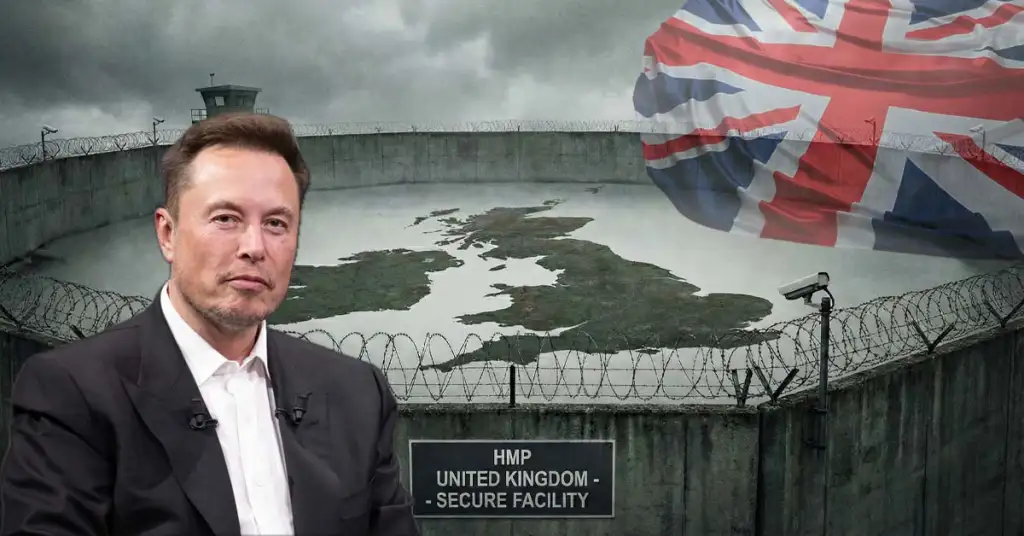
In December 2025, the UK found itself at the center of a global scandal regarding freedom of speech. Elon Musk's statement that the country has turned into a «prison island,» made against a backdrop of actual prison sentences for internet posts and tightening digital control, has divided society into two camps.
Below is a brief analysis of the situation: from the billionaire's conflict with the government to real criminal cases and user reactions.
1. Elon Musk's Position and Conflict with Authorities
- Key Quote: On December 17, 2025, Musk wrote on X (formerly Twitter): «The UK has become a prison island». He later added the definition «tyrannical police state.»
- Context: Musk's criticism coincided with the introduction of strict measures under the «Online Safety Act» and Minister Jess Phillips' refusal to conduct a national investigation into «grooming gangs.»
- Accusations: Musk accuses Keir Starmer's government of «Two-Tier Policing» — harsh prosecution of right-wing activists while showing leniency toward other groups.
2. The Case of Luke Yarwood: 1.5 Years for 33 Views
This court case has become the primary argument for supporters of the «prison island» theory. The comparison of the punishment to actual harm has shocked human rights defenders.
- Case Summary: 36-year-old Luke Yarwood was sentenced to 18 months in prison for two posts calling for violence against migrants («burn the hotels,» «take Parliament by force»).
- The Reach Paradox: It was proven in court that the tweets were seen by only 33 people. Yarwood was reported to the police by his own brother-in-law.
- Resonance: Critics point to the disproportion: a real prison term for words that did not lead to violence and had negligible reach, while courts issue more lenient sentences for some physical crimes or drug trafficking.
3. "Digital Iron Curtain" and VPNs
- Explosive VPN Growth: Following the introduction of mandatory age verification (via passport or face scan) for access to social networks and adult sites, demand for VPNs in Britain rose by 1400–1800%.
- Authorities' Response: The government is considering amendments to the law that could ban VPN use for children or require VPN providers to also demand user passport data, which would effectively destroy anonymity.
- Deadlock: Tech giants (WhatsApp, Signal) are threatening to leave the country if forced to perform Client-Side Scanning of citizens' private messages to search for prohibited content.
Conclusion: Britain is setting a precedent in the Western world by prioritizing security over privacy. For the government, it is «protection from toxicity»; for critics like Musk, it is the construction of a digital panopticon where a careless word spoken to an audience of 30 people can cost one's freedom.