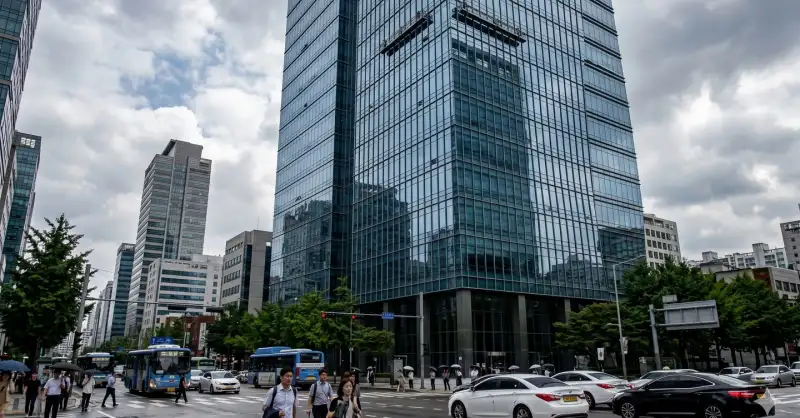
South Korea's largest e-commerce platform Coupang saw its shares plunge more than 16% on May 6, 2026, after the company reported a $266 million net loss in Q1 - a direct consequence of the massive 2025 data breach that exposed personal data from 33.7 million customers. The stock collapse arrived just as Coupang began delivering on its $1.17 billion voucher compensation plan, turning a corporate data disaster into a full-blown financial crisis visible to every investor.
How the Breach Happened
The incident traces back to June 24, 2025, when a former Coupang IT employee retained unauthorized access to company systems after being let go. Using overseas servers, the ex-employee accessed the personal records of approximately 33.7 million Coupang customers across South Korea.
Stolen data included names, phone numbers, delivery addresses, email addresses, and order histories. Coupang later confirmed that all extracted data was recovered and the perpetrator's storage devices were seized - with only around 3,000 records found on the attacker's computer, and no evidence that data was sold or distributed externally.
But what compounded the damage was timing. Coupang did not notify affected customers until late November 2025 - roughly five months after the breach occurred. That delay became the central controversy, drawing regulatory scrutiny and public outrage that eventually forced the resignation of Park Dae-jun, who led Coupang's South Korean e-commerce operations.
The $1.17 Billion Compensation Plan - and Why It Backfired
In December 2025, Coupang announced it would issue 50,000 won ($34.84) shopping vouchers to each of the 33.7 million affected customers - a total payout of approximately 1.69 trillion won, or $1.17 billion. Voucher distribution began on January 15, 2026.
Consumer advocacy groups were not impressed. The Korea National Council of Consumer Organizations publicly called the plan a "marketing tool" designed to drive more sales rather than genuinely compensate victims. Critics pointed out that a voucher redeemable only on Coupang's own platform benefits the company as much as the customer - and requires victims to trust the platform that failed them with another purchase.
Q1 2026 Earnings: The Financial Reckoning
The May 6 stock crash came when Coupang released first quarter 2026 earnings. Revenue grew a respectable 8% year-over-year, but the bottom line told a different story: a $266 million net loss, driven by elevated compensation and network expenses tied directly to the data breach. Analysts had expected profitability. What they got instead was the financial bill for the largest personal data breach in South Korean corporate history.
Coupang shares fell approximately 16.6% in a single session, approaching eight-month lows. The selloff reflected not just the immediate loss but growing investor concern about ongoing legal exposure, regulatory penalties, and the long-term damage to customer trust.
One note of cautious optimism: Coupang management reported that 80% of the WOW membership subscriptions lost during the breach fallout had returned by April 2026. Customer re-engagement is recovering - but the financial and legal consequences will take considerably longer to resolve.
Insider Threats: The Threat Companies Keep Underestimating
The Coupang breach is a textbook insider threat case - not a sophisticated nation-state attack, not a zero-day exploit, but a former employee who simply never lost their system access. This is one of the most preventable breach categories in cybersecurity, and yet it remains one of the most common.
- Immediate access revocation: All credentials, tokens, VPNs, and system permissions must be revoked the moment an employee is terminated.
- Privileged access monitoring: Access logs should flag any unusual activity from accounts that should no longer be active.
- Regular access audits: Periodic reviews of who has access to which systems catch orphaned accounts before they become breach vectors.
- Zero-trust principles: Treating every user - current or former - as a potential risk reduces the attack surface from insider threats dramatically.
South Korea's Personal Information Protection Act requires prompt breach notification. A five-month notification window is a significant compliance failure - and in Coupang's case, it added regulatory liability on top of the financial cost of the breach itself.
What Affected Users Should Do
If you are among the 33.7 million Coupang users who received a breach notification, there are practical steps to reduce ongoing risk. Phishing attacks commonly follow major breaches, as criminals purchase breach data or use information already circulated to craft convincing fraud attempts.
- Monitor bank and credit card accounts for unauthorized transactions.
- Be alert to phishing emails or SMS messages purportedly from Coupang, banks, or delivery services.
- Change your Coupang password and any other accounts that shared the same credentials.
- Enable two-factor authentication on all accounts that support it.
- Consider placing a credit freeze to prevent new accounts from being opened in your name.
Data breaches remind us that personal information is distributed across dozens of platforms - each one a potential vulnerability outside your direct control. Using a VPN for everyday browsing prevents network-level monitoring of your activity, ensuring that even when a platform fails you, your internet habits and login sessions remain encrypted and harder to intercept.