Russia's VPN Double-Bind: 40% Use VPNs but Are Blocked From Their Own Services

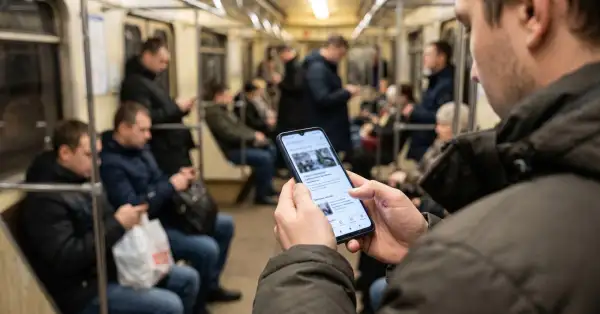
In an escalating campaign for internet sovereignty, Russian authorities have created a digital double-bind for citizens in April 2026. Following a near-total block of the popular messaging app Telegram, an estimated 40% of Russians now rely on VPNs to access it and the global internet, but a new government mandate is forcing essential domestic services to block users with an active VPN, effectively trapping them between digital isolation and exclusion from their own country's online infrastructure.
The Telegram Block and the Great VPN Migration
The latest chapter in Russia's long-running battle with Telegram culminated in an almost complete nationwide block in early April 2026. The accessibility of the messaging platform without a VPN plummeted to a record low of 5%. This action, which began with throttling in February, was framed by the communications watchdog, Roskomnadzor, as necessary for national security and to compel the app to comply with local laws. For the vast majority of its users - estimated to be over 65 million daily active users - Telegram became inaccessible overnight. The block was not an isolated incident but part of a broader strategy to control the information space, which has also seen restrictions on other platforms like WhatsApp, Facebook, and Instagram. The immediate consequence was a massive surge in VPN adoption. According to a report from the OSW Centre for Eastern Studies, VPN usage in Russia has hit a record 40%, as citizens scrambled for tools to circumvent state-imposed censorship. This migration to VPNs represents a "digital resistance," as Telegram's founder Pavel Durov termed it, with millions of Russians seeking to maintain access to uncensored information and communication.
The Kremlin's Counter-Offensive: Blocking the Blockers
The widespread adoption of VPNs has not gone unnoticed by the Kremlin. The Ministry of Digital Development (Mincifra) has ordered Russia's largest online services to block any user connecting via a VPN. In early April, the ministry sent guidance to over 20 major IT companies - including tech giant Yandex, e-commerce leaders Ozon and Wildberries, state-owned Sberbank, and the crucial government services portal Gosuslugi - instructing them on how to detect and restrict VPN traffic. The compliance deadline was reportedly set for April 15. Users across the country began reporting that banking apps, online shopping carts, and even medical appointment bookings failed when a VPN was active. Many services now display error messages reading "access denied - turn off your VPN connection." This move effectively weaponizes everyday online necessities against the very tools citizens use to maintain their digital freedoms.
A Digital Catch-22: The Citizen's Dilemma
This creates a classic catch-22 for the average Russian citizen. A VPN is now essential for accessing Telegram - the primary source of news for tens of millions - since 95% of connections fail without one. It is also the only gateway to a global internet free from state censorship. On the other hand, keeping a VPN active means being locked out of fundamental domestic services. A Russian must now choose: turn off their VPN to order from Ozon, check their Sberbank balance, or access Gosuslugi government services - but in doing so, they cut themselves off from Telegram and the wider world. This digital coercion forces a trade-off between participating in the domestic digital economy and exercising the freedom to access information. The policy appears designed to make VPN use so inconvenient that citizens abandon it, thereby reinforcing the state's "sovereign internet" project.
Implications for Internet Freedom and Privacy
By forcing major domestic platforms to become enforcers of censorship policy, the state is creating a partitioned, whitelist-style internet. This not only curtails freedom of expression and access to information but also has a chilling effect on Russia's IT sector, with reports of companies suspending projects due to the new restrictions. The crackdown has also triggered unintended consequences, causing widespread disruptions to banking and payment systems. Critics argue these measures are designed to push citizens toward state-sponsored alternatives such as the "Max" messenger - which raises significant surveillance concerns. This double-bind forces citizens into a digital landscape where every move is either restricted or potentially monitored, representing a profound blow to the concept of an open internet.
Conclusion
See Also
• Russia blocks Telegram and cracks down on VPNs - OSW Centre for Eastern Studies
• Russia's VPN crackdown disrupts banks, marketplaces and government services - bne IntelliNews
• Telegram founder says 65 million Russians use app daily via VPN despite blocking - Meduza
• Russian Websites Begin Blocking VPN Users as Internet Controls Tighten - The Moscow Times
• Russia's major internet services instructed on how to detect VPNs - TechRadar